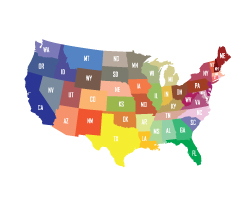

DUI Help Preview
Is a DUI better than a DWI depends entirely on your state’s legal definitions, but in most jurisdictions these terms describe identical offenses with the same penalties. Some states use DUI (Driving Under the Influence), others use DWI (Driving While Intoxicated), and a few distinguish between them—typically designating one for alcohol and another for drugs. Neither charge is inherently “better” since penalties depend on BAC level, prior convictions, and case circumstances rather than terminology alone.
Terminology Differences Explained – State Naming Conventions
Is a DUI better than a DWI is a common question reflecting confusion about impaired driving terminology. In reality, these acronyms represent naming preferences rather than different offense severities in most jurisdictions. States independently define drunk driving laws using various terms including DUI, DWI, OWI (Operating While Intoxicated), and OUI (Operating Under the Influence). The National Highway Traffic Safety Administration (NHTSA) recognizes that terminology variations create public confusion despite describing essentially the same criminal conduct—operating vehicles while impaired by alcohol or drugs.
Understanding terminology matters less than knowing your specific charges, potential penalties, and available defenses. Whether prosecutors charge you with DUI or DWI, the fundamental elements remain consistent: law enforcement must prove you operated a vehicle while impaired or with blood alcohol concentration exceeding legal limits. Your defense strategy focuses on challenging evidence, testing procedures, and arrest circumstances regardless of which acronym appears on your charging documents.
States Where DUI and DWI Are the Same Offense
Most jurisdictions answer is a DUI better than a DWI with a simple “no” because they’re identical charges with different names. States using only DUI terminology include California, Arizona, Colorado, and Illinois, where all impaired driving offenses fall under DUI statutes regardless of substance type. These jurisdictions apply identical penalties whether alcohol, marijuana, prescription medications, or illegal drugs caused impairment.
States using only DWI terminology include New York, Texas, New Mexico, and Louisiana. These jurisdictions charge all impaired driving cases as DWI with no legal distinction between alcohol and drug-related impairment. Penalties depend on BAC level, prior convictions, and aggravating factors rather than substance type or terminology used.
States That Distinguish Between DUI and DWI
Some jurisdictions create meaningful distinctions when addressing is a DUI better than a DWI. New Jersey differentiates between DWI (alcohol impairment) and DUI (drug impairment), though penalties remain similar for both offenses. The Centers for Disease Control and Prevention (CDC) reports increasing drug-related impaired driving arrests as marijuana legalization expands, making these distinctions more relevant.
Maryland historically distinguished between DUI and DWI based on impairment level. DWI represented more serious charges requiring proof of substantial impairment or BAC above 0.08%, while DUI involved lesser impairment with BAC between 0.07-0.08%. This created situations where DUI genuinely carried lighter penalties than DWI—one of few contexts where terminology directly affected outcomes. However, recent statutory changes have modified these distinctions, emphasizing the importance of consulting current state laws.
What Actually Determines Penalty Severity
Rather than debating is a DUI better than a DWI, focus on factors actually affecting case outcomes. BAC level at arrest dramatically influences penalties in all jurisdictions. Readings barely exceeding 0.08% receive more lenient treatment than high BAC cases above 0.15-0.20%. Many states impose enhanced penalties for elevated BAC regardless of DUI or DWI terminology.
Prior conviction history matters significantly. First-time offenders receive substantially lighter penalties than repeat offenders across all jurisdictions and terminology systems. Department of Motor Vehicles (DMV) administrative penalties, diversion program eligibility, and judicial discretion all favor defendants with clean records.
Aggravating circumstances including accidents, injuries, property damage, minor passengers, or commercial vehicle operation increase penalties substantially regardless of whether charges appear as DUI or DWI. These factors elevate misdemeanors to felonies in many cases, creating consequences far exceeding terminology distinctions.
Legal Reality: Focus Beyond Terminology
The question of is a DUI better than a DWI rarely has practical significance since most states use terms interchangeably for identical offenses. In jurisdictions distinguishing between them, differences typically involve substance type rather than penalty severity. What actually affects your case outcome includes BAC level, prior record, aggravating factors, and defense representation quality—elements transcending terminology debates and requiring experienced legal guidance.
Expert Impaired Driving Defense
Rather than focusing on terminology, consider learning more about your legal options. If you’re facing drunk driving charges, you may wish to speak with a licensed defense attorney to discuss how your state’s laws apply to your situation.
Are you a DWI defense attorney? Learn more about joining our network to connect with individuals seeking information about legal representation, or explore our drunk driving defense lead program..
Frequently Asked Questions
1. Which states use both DUI and DWI terminology?
A few states including Maryland historically used both terms with DWI for serious impairment and DUI for lesser charges, though most jurisdictions now use only one term or treat them identically with no penalty differences.
2. Can you get charged with both DUI and DWI simultaneously?
In states distinguishing between terms, prosecutors might charge both if evidence shows alcohol and drug impairment, though this depends on state-specific statutes and typically doesn’t result in double punishment for single incidents.
3. Does DUI or DWI terminology affect insurance rates differently?
No, insurance companies treat DUI and DWI convictions identically, increasing premiums by 50-100% for 3-5 years regardless of terminology since both represent impaired driving convictions with similar risk profiles.
4. If moving to another state, does DUI vs DWI matter on my record?
No, states recognize out-of-state impaired driving convictions regardless of terminology through interstate compacts, counting prior offenses toward repeat offender status when you face new charges in different jurisdictions.
5. Should I request charges be changed from DWI to DUI?
This makes no practical sense in most states where terms are interchangeable; focus instead on negotiating reduced charges like reckless driving that avoid impaired driving convictions entirely regardless of original terminology.
Key Takeaways
- Is a DUI better than a DWI has no meaningful answer in most states since these terms describe identical impaired driving offenses with the same penalties, differing only in naming conventions.
- Some jurisdictions distinguish between DUI and DWI based on substance type (alcohol versus drugs) or impairment level, though penalties remain similar regardless of terminology in most cases.
- BAC level, prior conviction history, aggravating circumstances, and defense representation quality affect case outcomes far more than whether charges appear as DUI or DWI on legal documents.
- Most states use only one term—either DUI or DWI exclusively—making comparisons irrelevant since no alternative terminology exists within those jurisdictions’ statutes.
- Focus on challenging evidence validity, negotiating reduced charges, and securing experienced legal representation rather than worrying about terminology distinctions that rarely impact actual penalties.