
Understanding DWI Plea Deals Reductions and State Differences: What You Need to Know
DWI plea deals reductions and state differences can dramatically impact your case outcome, with charge reduction rates can vary depending on jurisdiction and case specifics. Understanding how prosecutors negotiate in your specific state—whether they favor wet reckless pleas, deferred adjudication, or alternative sentencing—gives accused drivers crucial leverage when facing drunk driving charges and seeking optimal case resolution through charge reductions.
Complete DUI Guide: DWI Plea Deals Reductions and State Differences Fundamentals
DWI plea deals reductions and state differences represent one of the most critical yet misunderstood aspects of drunk driving defense, with negotiation outcomes varying dramatically based on jurisdiction, prosecutor policies, and individual case circumstances.
When facing DWI charges, most accused drivers don’t realize that trial is rarely the end result—the majority of drunk driving cases resolve through plea negotiations. However, the specific plea options available, likelihood of charge reductions, and alternative sentencing programs differ substantially from state to state, making location one of the most significant factors in case outcomes.
This guide examines DWI plea deals reductions and state differences across U.S. jurisdictions, explaining how plea bargaining works in drunk driving cases, what charge reductions prosecutors commonly offer, which states have the most favorable negotiation climates, and how defense strategies must adapt to local legal landscapes.
Key Legal Concepts: Understanding Plea Bargaining in DWI Cases
Plea bargaining in drunk driving offenses involves negotiations between defense and prosecution to resolve criminal charges without proceeding to trial. Defendants waive their right to challenge evidence before a jury in exchange for reduced charges, lesser penalties, or alternative sentencing arrangements.
What Constitutes a DWI Plea Deal?
A plea agreement is a formal arrangement where the accused agrees to plead guilty or no contest to specific charges in exchange for concessions from the prosecutor. Through plea acceptance, defendants waive critical rights including the right to trial, right to confront witnesses, and right to appeal based on evidence challenges. Types of pleas include guilty pleas (admitting full responsibility), no contest pleas (not admitting guilt but accepting punishment), and Alford pleas (maintaining innocence while acknowledging sufficient evidence for conviction).
Prosecutor Motivations for Offering Plea Deals
Prosecutors offer plea deals for several strategic reasons. Court docket management drives many negotiations, as trials consume substantial resources. Evidence strength considerations play a crucial role—failed breathalyzer calibration, procedural errors, or weak probable cause create incentive to negotiate. First-time offender policies in many jurisdictions encourage alternative resolutions, and prosecutors must balance victim impact concerns with public safety and rehabilitation potential.
Plea Deal Types and Outcomes Comparison
| Plea Type | Charge Result | Priorable Offense | Typical Penalties | License Impact |
| Full DWI Conviction | Original charge | Yes | Jail, fines, DUI school | Suspension/revocation |
| Wet Reckless | Reduced charge | Yes (in most states) | Lower fines, less jail | Shorter suspension |
| Dry Reckless | Reduced charge | No | Reduced penalties | Minimal impact |
| Negligent Driving | Traffic violation | No | Fine, no jail | Points only |
| Deferred Adjudication | Conditional dismissal | No (if completed) | Probation, education | Temporary restrictions |
Step-by-Step Process: How DWI Plea Negotiations Work
Understanding the plea negotiation timeline helps defendants make informed decisions about their impaired driving charges. The process typically unfolds over weeks or months, depending on case complexity.
Initial Case Assessment and Evidence Review (Steps 1-3)
The defense attorney reviews arrest reports, field sobriety test videos, breathalyzer calibration records, and blood test results. This analysis identifies procedural errors, constitutional violations, or evidence weaknesses that create negotiation leverage. The attorney analyzes the client’s prior record, BAC level, and any aggravating or mitigating factors that influence prosecutorial discretion.
Prosecutorial Offer and Negotiation Phase (Steps 4-6)
The prosecutor presents an initial plea offer, typically the most severe terms they expect the defendant to accept. The defense attorney submits a counter-proposal supported by evidence of case weaknesses—such as calibration issues, illegal stop grounds, or rising blood alcohol defenses. Back-and-forth negotiations address evidence issues, witness credibility, and relative case strengths.
Decision Making and Plea Agreement Finalization (Steps 7-10)
The defense attorney conducts a trial risk assessment, weighing the plea offer against potential trial outcomes. Client consultation focuses on long-term consequences including employment impact, insurance costs, and future DWI exposure. Once terms are acceptable, formal plea agreement drafting occurs. Finally, a court appearance for plea acceptance and sentencing formalizes the arrangement.
Options Compared: Common DWI Charge Reductions Across Jurisdictions
Different jurisdictions offer varying reduced charges in drunk driving plea deals, each carrying distinct advantages and consequences.
Wet Reckless (Vehicle Code Violations for Alcohol-Related Reckless Driving)
Wet reckless charges involve reckless driving with alcohol involvement, common in California, Arizona, and Nevada. Advantages include lesser penalties than standard DWI, potential for record expungement, and reduced insurance impact. However, wet reckless convictions count as prior DWI offenses for enhancement purposes in most jurisdictions. Prosecutors typically offer wet reckless pleas in borderline BAC cases (0.08-0.10), first-time offenses without accidents, or when evidence problems make conviction uncertain. Wet reckless pleas account for approximately 35% of California DWI reductions.
Dry Reckless and Standard Reckless Driving Reductions
Dry reckless charges involve reckless driving without alcohol notation. Standard reckless driving represents a generic dangerous driving offense. These options offer significant advantages: no priorable DWI offense for future cases and substantially lower insurance increases. However, availability is limited—not all states permit these reductions, and high BAC levels typically preclude this option.
Negligent Driving, Impaired Driving, and Other Lesser Offenses
Some states offer unique reduced charges. Washington State commonly uses negligent driving first degree. Maryland and Pennsylvania prosecutors may reduce to impaired driving charges with lower BAC thresholds. The distinction between criminal misdemeanors and traffic infractions varies by jurisdiction.
Detailed Charge Analysis: State-by-State DWI Plea Deal Variations
Where you’re charged matters as much as what you’re charged with—DWI plea outcomes vary more by jurisdiction than by offense severity.
States with Most Favorable DWI Plea Bargaining Climates
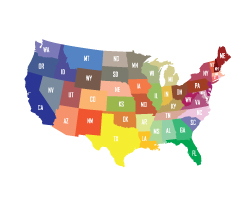
California maintains liberal wet reckless reduction availability, especially for BAC readings between 0.08-0.10. The state’s traffic code explicitly provides for this reduction, and many counties routinely offer it for first-time offenders without accidents.
Arizona offers negotiable plea options despite strict DWI laws. Borderline BAC cases and those with evidence problems frequently resolve with charge reductions.
Texas provides deferred adjudication for first-time offenders in most counties, allowing defendants to avoid conviction through successful probation completion.
Nevada commonly reduces first offenses to wet reckless when no accident or injury occurred. The state’s tourism economy and high DWI arrest volume create pragmatic prosecution approaches.
These negotiation-friendly environments result from statutory frameworks that explicitly authorize reduced charges, heavy court caseloads requiring efficient resolution, and legal cultures emphasizing rehabilitation for first-time offenders.
States with Restrictive or Limited Plea Reduction Options
Georgia has no official “wet reckless” statute, limiting formal reduction options. Most negotiations involve sentence bargaining rather than charge reductions.
Virginia maintains extremely strict DWI prosecution policies in many jurisdictions, with some counties refusing any plea reductions regardless of circumstances.
Resistance to DWI plea reductions stems from political pressure, MADD advocacy influence, and elected prosecutors campaigning on “tough on DWI” platforms.
Regional Prosecutorial Trends and County-Level Variations
Urban prosecutors often negotiate more readily than rural district attorneys due to heavier caseloads. Some counties implement “no plea bargain” policies for DWI cases regardless of evidence strength. Elected District Attorneys’ political positions significantly impact local plea practices. MADD influence on local prosecution policies varies substantially.
Charge reduction rates vary from 15% in restrictive states to 65% in negotiation-friendly jurisdictions. As one legal expert observes: “Local legal culture matters more than state statutes—some California counties rarely reduce DWI charges despite state law permitting it.”
Proven Defense Methods: Strategies That Maximize Charge Reduction Opportunities
Specific defense tactics significantly improve plea negotiation outcomes by demonstrating trial risks to prosecutors.
Challenging BAC Test Accuracy and Administration
Defense attorneys scrutinize breathalyzer calibration records and maintenance logs for irregularities. Blood test chain of custody documentation must show proper handling at every stage. The rising blood alcohol defense argues BAC was below the legal limit while driving but rose to illegal levels by testing time. Mouth alcohol contamination from GERD, dental work, or recent alcohol consumption can produce falsely elevated readings. Demonstrating these evidence weaknesses forces prosecutors to offer better plea terms.
Procedural and Constitutional Violations
Unlawful traffic stops lacking reasonable suspicion provide grounds for suppressing all subsequent evidence. Miranda rights violations during DWI investigation can exclude incriminating statements. Fourth Amendment protections against illegal searches apply to vehicle searches and forced blood draws. Field sobriety test administration errors undermine prosecution cases. Filing suppression motions creates substantial leverage because prosecutors must evaluate trial loss risk.
Presenting Mitigating Circumstances and Character Evidence
First-time offender status and clean records demonstrate low recidivism risk. Employment stability, family responsibilities, and community ties show you’re not a danger to public safety. Completing voluntary alcohol education before plea negotiations demonstrates commitment to addressing substance issues. Character references from employers, clergy, or community leaders humanize defendants. Medical conditions or medication interactions explain poor sobriety test performance.
Common DUI Challenges: Factors That Influence Plea Deal Availability
Case-specific factors substantially affect whether prosecutors will negotiate and what terms they’ll offer.
BAC Levels and Charge Reduction Thresholds
BAC readings between 0.08-0.10 show the highest likelihood of charge reductions because they’re close to the legal threshold. Levels from 0.11-0.14 offer moderate reduction opportunities depending on state policies. BAC readings of 0.15 or higher trigger enhanced charges and severely limit plea bargaining options. Many states have “Super DUI” or “Extreme DUI” statutory thresholds at 0.15 or 0.20 that mandate enhanced penalties. First-time offenders with BAC under 0.10 see charge reductions in approximately 55% of cases nationally.
Prior DWI Convictions and Repeat Offender Status
First-offense status provides maximum leverage because prosecutors have discretion and defendants face fewer mandatory minimums. Second DWI charges involve mandatory minimum sentences in many states and potential felony charges. Third or subsequent offenses severely limit options, with many jurisdictions imposing mandatory prison time. “Washout periods” determine how old convictions must be before they no longer enhance current charges—typically 7-10 years. Interstate prior convictions follow defendants due to national databases.
BAC Level Impact on Plea Reduction Likelihood
| BAC Range | Reduction Likelihood | Common Outcomes | Key Considerations |
| 0.08-0.10 | High | Wet reckless, dry reckless | Close to legal limit, testing errors likely |
| 0.11-0.14 | Moderate | Wet reckless, sentence reduction | State policies vary significantly |
| 0.15-0.19 | Low | Sentence reduction only | Enhanced DUI threshold in many states |
| 0.20+ | Very Low | Minimal negotiation | Extreme DUI statutes apply |
Legal Research Insights: DWI Plea Deals Reductions and State Differences Summary
DWI plea deals reductions and state differences dramatically affect case outcomes, making jurisdictional knowledge essential for accused drunk drivers. With approximately 90-95% of impaired driving cases resolving through plea negotiations rather than trials, negotiation skills and local legal expertise prove more important than courtroom advocacy for most defendants.
Wet reckless pleas, deferred adjudication programs, and pre-trial diversion offer the best outcomes for qualifying defendants. Evidence challenges—particularly breathalyzer calibration problems and procedural errors—strengthen bargaining positions by forcing prosecutors to evaluate trial loss risk.
The bottom line: where you’re charged matters as much as what you’re charged with. Geographic location, local prosecutor policies, and defense attorney expertise combine to determine whether you face full DWI conviction or secure a favorable reduced charge that minimizes long-term consequences.
Get Free DWI Plea Deal Consultation Today
Time is critical in drunk driving plea negotiations. Prosecutors often extend initial plea offers within days of arrest, and having experienced legal representation from the start significantly strengthens your negotiating position.1800DUILaws connects accused impaired drivers with experienced local attorneys who understand your jurisdiction’s specific plea practices and prosecutor tendencies. Our state-specific network knows which evidence preservation steps are crucial and how to maximize leverage before initial offers expire.
Get your free consultation today with no obligation. The sooner you have expert representation, the better your plea negotiation outcomes. Don’t let critical evidence disappear or negotiation windows close—act now.
For Attorneys: Join our exclusive network | Get quality DUI defense leads
Frequently Asked Questions
1. What percentage of DWI cases end in plea deals rather than trial?
Approximately 90-95% of DWI cases nationwide resolve through plea agreements rather than trial, with attorney representation significantly improving plea offer quality.
2. Can I get a DWI reduced to reckless driving in every state?
No—availability varies dramatically. California, Arizona, Nevada, and Texas commonly permit wet reckless reductions, while Georgia lacks wet reckless statutes and Virginia prosecutors often maintain strict no-reduction policies. Individual counties may impose additional restrictions.
3. How does my BAC level affect my ability to negotiate a plea deal?
BAC levels critically impact leverage. Cases with BAC between 0.08-0.10 see reduction rates around 55% due to evidence challenges, while levels at 0.15+ typically trigger enhanced charges that substantially limit options. Procedural errors can create leverage regardless of BAC.
4. Will a reduced charge from DWI to reckless driving still affect my insurance rates?
Yes, but less severely. Wet reckless typically causes 30-50% premium increases versus 80-150% for DWI convictions. Provider policies vary considerably.
5. Does having a prior DWI conviction eliminate my chances of getting a plea deal on a second offense?
Prior convictions significantly reduce but don’t eliminate opportunities. Attorneys can negotiate charge classifications, alternative sentencing, or treatment programs. The “washout period” matters—older priors (7-10+ years) may receive more favorable treatment.
Key Takeaways
- DWI plea deal outcomes vary dramatically by jurisdiction, with charge reduction rates ranging from 15% in restrictive areas to 65% in negotiation-friendly states.
- Approximately 90-95% of cases resolve through plea negotiations, including wet reckless, dry reckless, negligent driving, and deferred adjudication programs for first-time offenders.
- BAC levels between 0.08-0.10 provide strongest negotiation leverage, securing reductions in 55% of cases, while levels at 0.15+ trigger enhanced penalties and limit flexibility.
- Evidence challenges—breathalyzer calibration errors, blood test issues, unlawful stops—create prosecutorial willingness to negotiate, with 60% achieving better outcomes.
- State-specific knowledge proves essential: California permits liberal wet reckless reductions, Georgia lacks wet reckless statutes, Virginia maintains no-reduction policies, and Texas offers deferred adjudication.