
Complete DUI Guide: DUI Class Duration Requirements Explained
DUI class duration is one of the most common concerns facing individuals charged with drunk driving offenses. Understanding the time commitment required for court-mandated alcohol education programs is essential for planning your defense strategy and meeting legal obligations.
Navigating DUI penalties can feel overwhelming when dealing with license suspension, fines, and criminal proceedings. Mandatory alcohol education classes represent a significant time investment impacting your work schedule and personal life. These programs are designed to reduce recidivism and educate offenders about intoxicated driving dangers.
This guide provides detailed information about DUI class duration across different offense levels, state requirements, program types, and factors influencing your time commitment. At 1800DUILaws, our mission is helping accused drunk drivers learn about charges and locate expert legal help.
Key Legal Concepts: Understanding DUI Education Program Types
First-Time Offender Programs
First-time DUI offenders face the shortest requirements, with DUI class duration ranging from 8 to 16 hours in most states. These programs focus on alcohol awareness, intoxication effects, and decision-making strategies through weekly 60-90 minute sessions.
California mandates 3 months (12 hours) for BAC 0.08-0.14%, Texas requires 12 hours, Florida 12 hours, and Arizona 16 hours minimum. The variation reflects different state philosophies about rehabilitation.
Repeat Offender Programs
Repeat offenders face DUI class duration extending from 18 to 30 months, with intensive outpatient programs requiring 3-5 weekly sessions. These include substance abuse assessment, cognitive behavioral therapy, and relapse prevention training.
California’s 18-month program requires 52 hours of counseling, 12 hours of education, and 6 hours of monitoring. Illinois mandates 20-75 hours for subsequent offenses, while Virginia’s VASAP program runs 20-24 weeks with twice-weekly attendance.
High BAC Programs
When BAC exceeds 0.15-0.20%, courts mandate enhanced programs regardless of prior offense history. High BAC programs impose DUI class duration requirements between 6 and 9 months for first-time offenders.
California requires 9 months (60 hours) for BAC 0.20%+ readings, while Washington’s Deferred Prosecution extends to 2 years. These programs incorporate clinical assessment, individual counseling, and family education.
State-by-State Comparison: DUI Class Duration Across America
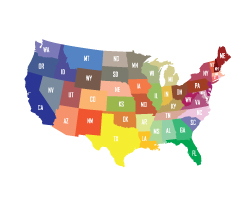
DUI education requirements vary dramatically across the United States. Understanding your state’s specific mandates is crucial for compliance and license reinstatement. Below is a comprehensive comparison of program durations based on offense severity.
| State | First Offense | Aggravated/Extreme DUI | Repeat Offenses | Program Structure |
| California | 3 months (30 hours) | 9 months (60 hours) | 18 months (52 hours) or 30 months (78 hours) | Tiered system based on BAC level and offense count |
| Arizona | 16 hours | 36 hours (Extreme: 0.15-0.19% BAC) | 12-18 months (Super Extreme) | Escalating requirements by BAC thresholds |
| Texas | 12 hours | 32 hours (aggravated cases) | Varies by court order | Completion required for license reinstatement |
| Florida | Level I (12 hours) | Level II (21 hours) | Level III (extended evaluation-based) | Assessment-driven program assignment |
| Illinois | 10 hours | 20 hours | 20-75 hours (subsequent offenses) | Hours increase with offense history |
| Ohio | 72 hours intensive | 72 hours intensive | Extended residential programs | Licensed facility requirement |
| Pennsylvania | 12.5 hours | Varies by evaluation | 12-18 months | Court-ordered evaluations determine length |
| New York | 7 weeks (16 hours) | 7 weeks (16 hours) | Extended programs | Standardized weekly sessions |
Key Factors Influencing Program Length:
- Blood Alcohol Concentration (BAC) at time of arrest
- Prior DUI convictions within 10 years
- Presence of minors in vehicle
- Property damage or bodily injury
- Refusal to submit to chemical testing
These program requirements represent mandatory minimums established by state law and DMV regulations. However, judges retain discretion to order additional counseling, treatment, or extended education based on individual case circumstances. Failure to complete court-ordered DUI classes within the specified timeframe typically results in license suspension extension, probation violations, and potential jail time. Early enrollment demonstrates accountability to the court and may positively influence sentencing outcomes. Additionally, some states allow out-of-state program transfers for individuals who relocate during their program period, though advance approval from both the originating and receiving state authorities is required.
Step-by-Step Process: What Happens During DUI Classes
Initial Assessment Phase
DUI education programs begin with comprehensive substance abuse screening that determines placement and influences total DUI class duration. Counselors conduct structured interviews using assessment tools to evaluate drinking patterns and risk factors. This evaluation typically requires 60-90 minutes and costs $50-200.
Assessment results classify participants into risk categories, determining whether you complete basic education or require extended counseling. Higher-risk individuals may face mandatory clinical treatment extending program time from months to years.
Education and Counseling Components
Core curriculum addresses alcohol’s effects on driving ability, legal consequences, victim impact awareness, and decision-making strategies. Group sessions accommodate 15-30 participants with interactive discussion. Individual counseling sessions supplement group education for higher-risk participants, adding 8-20 hours to baseline DUI class duration.
Completion and Certification Process
Successfully finishing requires perfect attendance, participation, assignment completion, and fee payment. Providers allow only 1-2 missed sessions before extending your DUI class duration or requiring restart. Certification takes 7-14 days after your final session and becomes essential for license reinstatement and probation compliance.
Common DUI Challenges: Factors That Extend Your Program Time
Missing scheduled sessions is the primary factor extending DUI class duration beyond minimum requirements. Most programs allow only 1-2 absences before requiring makeup sessions or restart. Each missed class can add 1-2 weeks, while repeated absences may add 3-12 months.
Arriving late, leaving early, or disruptive behavior triggers compliance issues. Providers require participants to arrive sober and may administer random breath tests. Testing positive results in dismissal or termination requiring enrollment in more intensive treatment. Programs charge $200-2,500, and falling behind on payments prevents progression.
Mid-program evaluations may reclassify participants to higher risk categories requiring additional hours or intensive outpatient treatment lasting 12-24 months. Judges retain authority to impose requirements exceeding statutory minimums based on aggravating factors.
Options Compared: DUI Class Formats and Scheduling Flexibility
Traditional classroom-based DUI education remains the most common format, offering structured group interaction and counselor feedback through weekly evening or Saturday sessions. Advantages include personal accountability and group dynamics, while disadvantages include inflexible scheduling.
Several states approve online programs offering scheduling flexibility. Online programs allow completion within 30-90 days using video instruction and virtual counselor check-ins. California, Texas, Florida, Indiana, and approximately 15 other jurisdictions approve online programs, restricted to first-time, low-BAC offenders. Verify your court will accept virtual certification before enrolling.
Some jurisdictions offer condensed intensive programs. Weekend programs run 8-12 hours daily for 2-3 consecutive weekends, compressing requirements into roughly one month. Ohio’s 72-hour program requires participants to remain at a facility for three full days.
Legal Research Insights: DUI Statistics and Program Effectiveness
Approximately 1.5 million drivers are arrested annually for DUI, with 65-70% being first-time offenders. NHTSA studies indicate DUI education programs reduce recidivism by 7-9% compared to sanctions without educational components.
The average DUI class duration nationally is 16 weeks. First-time offenders average 12-16 hours while repeat offenders average 50-75 hours over 12-24 months. Compliance rates hover around 75%. Total program expenses range from $350-500 for first-offender programs to $2,500-4,500 for long-term treatment.
First-time programs maintain 75-85% completion rates, while 18-30 month programs see only 55-65% completion. Intensive programs incorporating clinical treatment and cognitive behavioral therapy reduce recidivism by 15-20% rather than 7-9%.
Defense Advantages: How DUI Classes Impact Your Legal Case
Proactively enrolling in DUI education before court-mandated sentencing demonstrates initiative that judges and prosecutors view favorably. Defendants who voluntarily begin classes immediately after arrest show commitment to addressing behavior, potentially resulting in reduced charges or lighter sentencing.
Defense attorneys leverage early enrollment as evidence of rehabilitation potential. Some jurisdictions offer charge reduction from DUI to reckless driving for defendants completing education before case resolution. Most states condition license reinstatement on program completion, making DUI class duration a direct factor in how long you’ll rely on restricted licenses.
Completing programs may qualify you for reduced insurance premiums, though rates remain elevated for 3-5 years. For commercial drivers, prompt completion demonstrates professional responsibility and may influence employer decisions.
Expert Defense Strategies: Working with Your DUI Attorney
Experienced DUI defense attorneys understand how strategic program selection and enrollment timing influence case outcomes. Your attorney can research which state-approved providers offer flexible DUI class duration schedules and best reputations with local courts. Timing enrollment to coincide with key case milestones maximizes favorable impressions.
When prosecutors propose excessive DUI class duration requirements, skilled defense attorneys challenge these mandates through legal arguments emphasizing proportionality. Defense counsel also challenges inappropriate program assignments when assessments place clients in intensive treatment despite minimal substance abuse indicators.
Maintaining communication with your attorney ensures quick resolution of compliance issues. If emergencies prevent attendance or financial hardship threatens fee payment, your attorney can petition for reasonable accommodations.
Moving Forward Successfully: DUI Class Duration Completion Strategies
Understanding your specific DUI class duration requirements is essential for navigating alcohol education obligations. First-time offenders facing 8-16 hour programs should anticipate 8-12 weeks of weekly attendance. Repeat offenders must prepare for 18-30 month commitments.
The key to minimizing your time investment is perfect attendance, proactive communication about scheduling conflicts, and immediate resolution of financial obligations. Combining diligent program completion with strong legal representation maximizes your chances of favorable case outcomes.
Get Expert DUI Legal Help Today
Facing DUI charges requires understanding your mandatory education requirements and navigating a complex legal landscape. The convergence of criminal penalties, license suspension, and court-ordered classes makes professional legal representation essential rather than optional.
Timing matters significantly in DUI defense. Swift attorney engagement influences exclusive lead generation, program enrollment strategy, and plea negotiation outcomes. 1800DUILaws connects individuals charged with drunk driving to top-rated local attorneys through our attorney referral network that delivers comprehensive case evaluation and strategic defense planning.
Frequently Asked Questions
1. How long are DUI classes for first-time offenders?
First-time DUI offenders typically complete alcohol education programs lasting 8-16 hours spread over 8-12 weeks with weekly sessions. The specific DUI class duration depends on your BAC level at arrest and your state’s statutory requirements. California mandates 12 hours for standard offenses, Arizona requires 16 hours minimum, and some jurisdictions extend to 24 hours for aggravating circumstances.
2. Can I take DUI classes online instead of in person?
Online DUI classes are available in approximately 15 states including California, Texas, Florida, and Indiana, but only for first-time, low-BAC offenders without aggravating factors. Your specific court must approve online program completion. Before enrolling, verify with your attorney that your case qualifies for virtual completion.
3. What happens if I miss a DUI class session?
Missing sessions typically extends your completion time. Most programs allow only 1-2 absences before requiring makeup sessions, which can add 1-4 weeks to your DUI class duration. Repeated absences may necessitate restarting the entire program, potentially adding 3-12 months. Some programs immediately report non-compliance to the court, potentially triggering probation violations with additional penalties.
4. Do repeat DUI offenders have longer class requirements?
Yes, repeat DUI offenders face substantially longer requirements ranging from 18 to 30 months compared to 8-16 hours for first-time offenders. Multiple-offender programs include intensive treatment components such as individual counseling, cognitive behavioral therapy, and frequent drug testing. California’s 18-month program requires 52 hours of group counseling alone, while 30-month programs extend to 78 total hours.
5. How much do DUI education programs cost?
DUI education program costs range from $300-500 for basic first-offender courses to $2,000-4,500 for long-term repeat offender programs. Initial substance abuse assessments typically cost $50-200 separately. Payment plans are usually available, but participants must maintain current payments to continue participation. Financial hardship preventing timely payment can extend your DUI class duration until obligations are satisfied.
Key Takeaways
- Understanding Program Length: DUI class duration varies from 8 hours for first-time offenders to 30 months for repeat offenders, with requirements determined by offense severity, BAC level, and state-specific laws.
- License Reinstatement: Almost all states condition driver’s license reinstatement on DUI education program completion, making your total DUI class duration a direct factor in how long you’ll be without full driving privileges.
- Early Enrollment Benefits: Proactively enrolling before court mandate demonstrates rehabilitation commitment that judges value during sentencing, potentially resulting in reduced charges or lighter penalties.
- Perfect Attendance: Maintaining perfect attendance is essential for completing programs within minimum timeframes, as missed sessions can add weeks per absence and repeated non-compliance may require restarting the program.
- Attorney Guidance: Working with an experienced DUI defense attorney helps you select appropriate programs, time enrollment strategically, challenge excessive requirements, and resolve compliance issues before they escalate.