
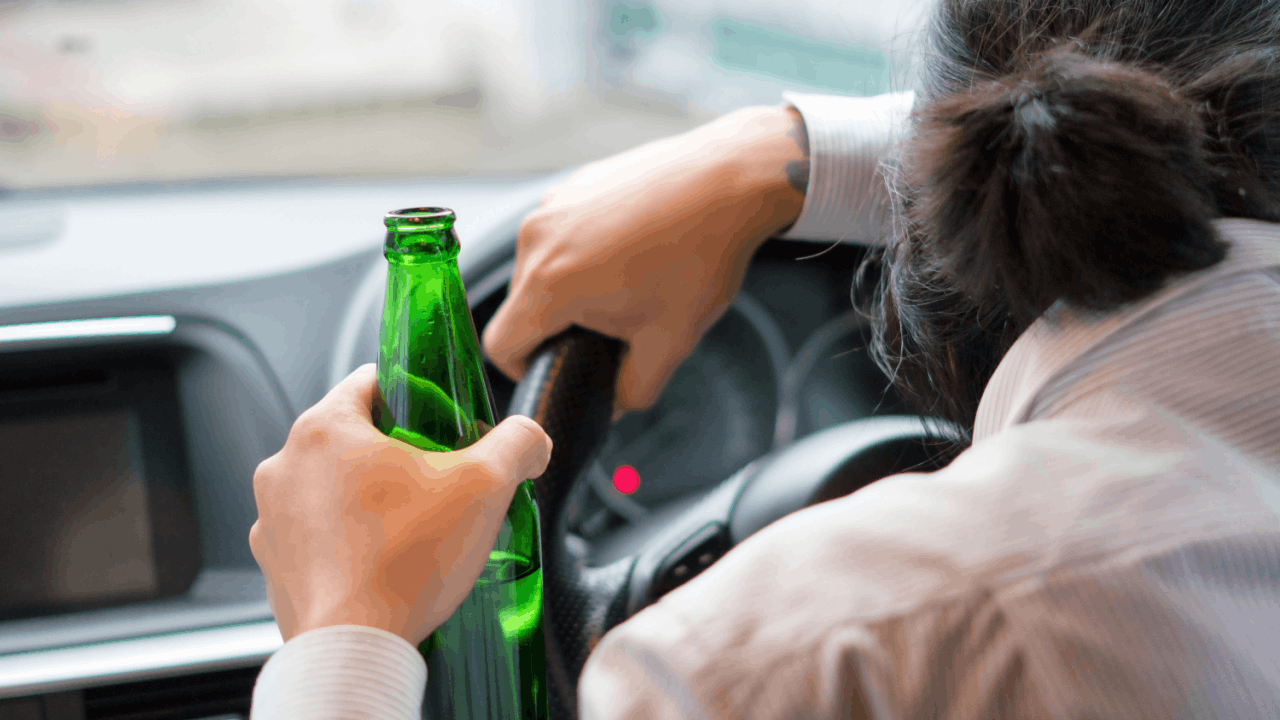
Understanding Defense: What’s an Effective Defense Against Drunk Drivers
Defensive driving and legal awareness form the foundation of protection against impaired drivers. According to the National Highway Traffic Safety Administration, approximately 37 people die in drunk driving crashes daily in the United States, making proactive defense strategies essential for all road users.
Legal Context Explained: What’s an Effective Defense Against Drunk Drivers
What may constitute an effective defense against drunk drivers begins with understanding both preventive measures and legal protections. When sharing the road, individuals face risks from drivers operating vehicles with blood alcohol concentration (BAC) levels at or above 0.08%, the legal limit in most states. This educational overview addresses defensive strategies, legal rights following impaired driver incidents, and the framework of DUI laws designed to protect public safety.
Drunk driving accidents create complex legal situations for all parties involved. Whether someone is concerned about preventing encounters with impaired drivers or understanding rights after an accident caused by someone driving under the influence, knowledge of applicable laws and safety protocols can vary based on state jurisdiction and specific circumstances. Defensive driving techniques, awareness of DUI enforcement patterns, and understanding legal processes form key components of comprehensive protection strategies.
Key Considerations: Preventive Strategies Against Impaired Drivers
Defensive driving represents the primary protection method against drunk drivers on roadways. This approach involves maintaining heightened awareness during high-risk times, particularly between midnight and 3 a.m. on weekends when DUI arrests increase significantly. Research indicates that approximately one-third of traffic fatalities involve alcohol-impaired drivers, emphasizing the importance of proactive defensive measures.
Practical preventive strategies include maintaining safe following distances, recognizing warning signs of impaired driving such as weaving between lanes or inconsistent speed, and avoiding confrontation with suspected drunk drivers. When encountering potentially impaired drivers, the recommended approach involves creating distance and contacting law enforcement with vehicle descriptions and locations. Many states operate hotline programs specifically for reporting suspected impaired drivers.
Technology also provides defensive tools. Rideshare services, designated driver arrangements, and planning routes that avoid high-traffic bar districts during peak hours all reduce exposure risk. These preventive measures work alongside law enforcement efforts, including DUI checkpoints and increased patrols during holiday periods. The effectiveness of these strategies may depend on individual circumstances, local traffic patterns, and regional DUI enforcement priorities.
Options Explained: Legal Rights Following Drunk Driver Accidents
Victims of accidents caused by impaired drivers possess specific legal rights that can vary based on state law and evidence. Understanding these rights becomes essential when drunk driving incidents result in property damage, injuries, or fatalities. The legal framework provides pathways for pursuing compensation, though outcomes depend on the specific facts of each case and applicable jurisdiction.
Criminal DUI proceedings occur separately from civil claims. When law enforcement arrests a driver for DUI following an accident, prosecutors pursue criminal charges based on BAC testing, field sobriety test results, and other evidence. Criminal cases focus on punishment and public safety, while civil claims address victim compensation. Both processes involve distinct legal standards and procedures that a licensed attorney can explain based on specific circumstances.
Documentation plays a crucial role in drunk driving accident cases. Police reports, medical records, witness statements, and chemical test results from the impaired driver all constitute important evidence. Insurance claims involving drunk drivers may proceed differently than standard accident claims, particularly when punitive damages become relevant. The insurance claims process and potential civil litigation options can vary significantly based on state laws governing comparative negligence, dram shop liability, and other factors affecting impaired driving cases.
Common DUI Issues: Understanding Blood Alcohol Testing and Legal Standards
Blood alcohol concentration testing forms the scientific foundation of DUI enforcement and drunk driving accident investigations. Law enforcement uses breath, blood, or urine tests to measure BAC levels, with 0.08% representing the standard legal limit for drivers over 21 in all states. Commercial drivers face lower thresholds at 0.04%, while many states enforce zero-tolerance policies for drivers under 21.
Field sobriety tests supplement chemical testing, though their reliability can face legal scrutiny. The standardized field sobriety test battery includes the horizontal gaze nystagmus test, walk-and-turn test, and one-leg stand test. Understanding these testing methods helps explain how law enforcement establishes probable cause for DUI arrests following accidents or traffic stops.
License suspension procedures often begin immediately after DUI arrests through administrative actions separate from criminal proceedings. Most states impose administrative license suspensions ranging from 30 days to one year for first-time BAC test failures, with longer periods for refusals or repeat offenses. These administrative processes follow different timelines and rules than criminal court proceedings, requiring specific procedural knowledge to navigate effectively.
DUI Terms Explained: Court Process and Legal Proceedings
The DUI court process involves multiple stages that accused drivers must understand. Arraignment represents the initial court appearance where charges are formally presented and pleas entered. Pre-trial proceedings may include discovery, motion hearings, and plea negotiations. If cases proceed to trial, prosecution must prove guilt beyond a reasonable doubt using BAC evidence, officer testimony, and other supporting documentation.
Sentencing in DUI cases may involve jail time, fines, license suspension, mandatory alcohol education programs, and ignition interlock device installation. First-time offenses typically receive lighter sentences than repeat violations, though aggravating factors like high BAC levels, accidents causing injury, or child passengers can increase penalties substantially. Each jurisdiction maintains specific sentencing guidelines that judges apply based on case circumstances.
Legal representation becomes relevant when navigating DUI proceedings. Attorneys familiar with DUI laws can examine evidence, challenge testing procedures, negotiate with prosecutors, and represent clients during hearings and trials. The complexity of DUI cases, from questioning breathalyzer calibration to examining traffic stop legality, often requires specialized legal knowledge of state statutes and case law precedents.
Moving Forward Safely: What’s an Effective Defense Against Drunk Drivers
What may constitute an effective defense against drunk drivers combines preventive awareness, understanding of legal protections, and knowledge of how DUI laws function to protect public safety. Defensive driving strategies reduce risk exposure, while legal frameworks provide recourse when impaired drivers cause harm. The effectiveness of both preventive measures and legal options depends on individual circumstances, applicable state laws, and specific case facts. “Knowledge of DUI laws and defensive driving creates layered protection for all road users.”
Get Information: What’s an Effective Defense Against Drunk Drivers Resources
Individuals seeking to understand DUI laws, defensive driving strategies, or legal options following drunk driver incidents may wish to speak with professionals familiar with their specific situation. Those interested in DUI education programs, legal professionals exploring network opportunities, or businesses seeking specialized leads can access relevant resources to learn more about how DUI laws may apply to different circumstances. Educational resources help individuals identify appropriate next steps based on their unique situations.
Frequently Asked Questions
1. What are the most common signs of a drunk driver on the road?
Common indicators include weaving between lanes, driving significantly below the speed limit, making wide turns, stopping without cause, and exhibiting delayed responses to traffic signals.
2. How does BAC testing work in DUI cases?
Law enforcement uses breath, blood, or urine tests to measure blood alcohol concentration. Results are compared against legal limits, typically 0.08% for most drivers, though testing methods and accuracy can vary by jurisdiction and circumstances.
3. What happens immediately after a DUI arrest?
After a DUI arrest, officers usually conduct booking procedures that may include additional chemical testing, fingerprinting, and processing. The defendant is then scheduled for arraignment, where formal charges are presented and bail conditions may be set.
4. Can drunk driving accident victims pursue both criminal and civil claims?
Yes. Criminal DUI prosecutions and civil injury claims proceed separately. Criminal cases address violations of law and public safety, while civil claims focus on financial compensation for victims based on applicable liability laws.
5. What factors influence DUI sentencing outcomes?
Sentencing outcomes may be influenced by prior DUI history, BAC level, presence of accidents or injuries, cooperation with law enforcement, and other aggravating or mitigating factors, depending on state law and case specifics.
Key Takeaways
- Defensive driving strategies and heightened awareness during high-risk hours provide primary protection against encountering impaired drivers on roadways.
- Legal rights following drunk driver accidents include both criminal prosecution pathways and civil compensation claims, which proceed under different legal standards and processes.
- Blood alcohol concentration testing at 0.08% represents the standard legal limit, with chemical test results forming the foundation of DUI enforcement and accident investigations.
- DUI court proceedings involve multiple stages including arraignment, pre-trial motions, and potentially trial, with outcomes depending on evidence and applicable jurisdiction.
- Educational resources and legal consultation can help individuals understand how DUI laws apply to their specific circumstances and identify appropriate next steps.