Ignition Interlock Devices: What Drivers Need to Know About Court-Ordered Breath Testing Systems
An ignition interlock device (IID) has become a common component of DUI case outcomes across many states. Whether you’re facing a first offense DUI charge, dealing with administrative license suspension, or trying to understand what happens after a drunk driving arrest, understanding ignition interlock requirements can help you navigate the legal process and make informed decisions about your situation.
This guide provides educational information about ignition interlock devices, including how they function, when courts or motor vehicle departments may require them, the installation and monitoring process, costs that may be involved, and legal considerations that often arise. Laws governing ignition interlock device requirements vary significantly by state and jurisdiction, and individual circumstances can affect how these programs apply to any specific situation.
If you’re facing DUI charges or have questions about ignition interlock requirements that may apply to your case, you may wish to speak with a licensed DUI attorney to discuss how DUI laws may apply to your situation and to learn about legal options that may be available.
Key Legal Concepts: Ignition Interlock Device Basics
What Is an Ignition Interlock Device?
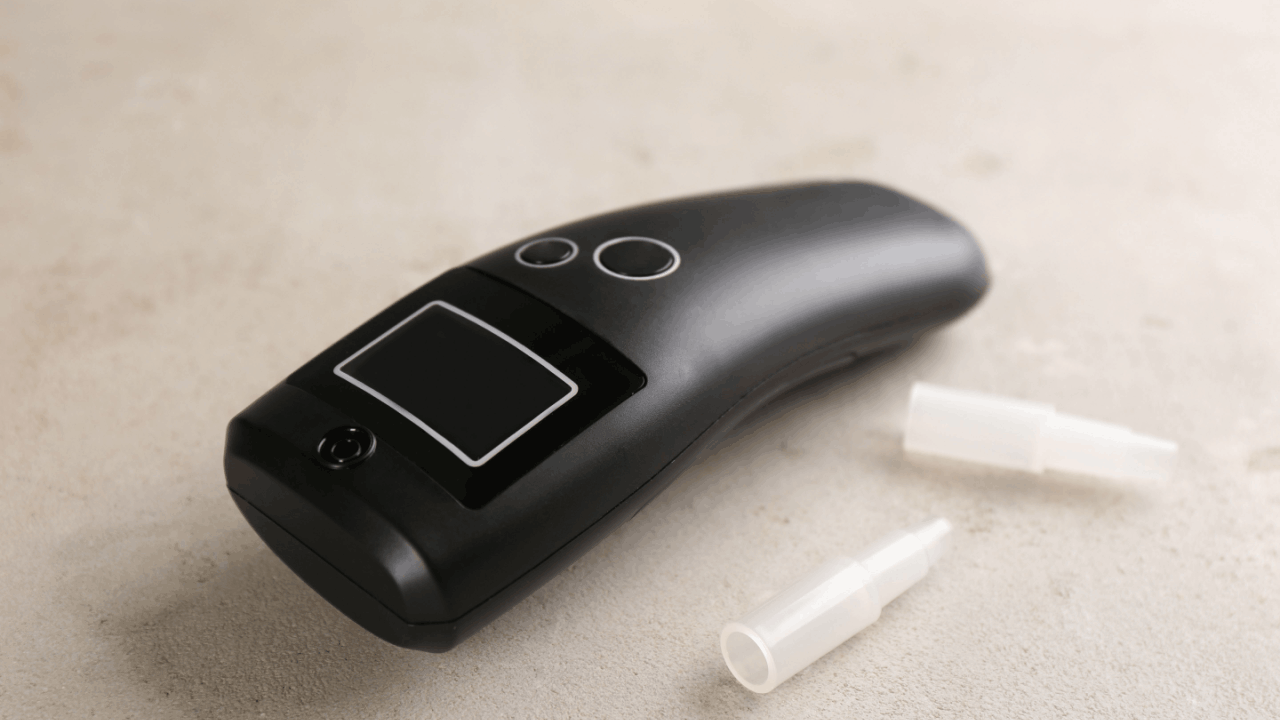
An ignition interlock device is a breath alcohol testing mechanism installed in a vehicle that prevents the engine from starting if it detects a blood alcohol content above a preset limit. The device functions similarly to a preliminary breath test used during DUI investigations, requiring the driver to provide a breath sample before starting the vehicle and at random intervals while driving.
The ignition interlock device connects to the vehicle’s ignition system and uses fuel cell technology to measure breath alcohol concentration. Most devices are set to prevent ignition if the breath sample registers a BAC of 0.02 or higher, though this threshold can vary depending on jurisdiction and program requirements.
How Ignition Interlock Devices Function
Before starting the vehicle, the driver must blow into the ignition interlock device handset. The device analyzes the breath sample and either permits the engine to start or prevents ignition if alcohol is detected above the programmed threshold. While the vehicle is in operation, the ignition interlock device requires periodic “rolling retests” at random intervals to ensure the driver has not consumed alcohol after starting the vehicle.
Types of Ignition Interlock Programs
Ignition interlock device requirements can stem from several different legal sources. Court-ordered programs may be imposed as a condition of probation following a DUI conviction or as part of a diversion program for first offense DUI cases. Administrative programs are often required by state motor vehicle departments to reinstate a driver’s license following a DUI arrest or administrative license suspension.
Some jurisdictions offer voluntary ignition interlock programs that allow drivers to maintain limited driving privileges during a license suspension period by installing the device. These programs may be available even before a DUI case is resolved in court, allowing accused drivers to continue driving for work or essential purposes while their case proceeds.
Court Process Steps: When Ignition Interlock Devices May Be Required
DUI Arrest and Administrative Actions
Following a DUI arrest, drivers often face two separate proceedings: a criminal case in court and an administrative action by the state Department of Motor Vehicles. Either or both of these processes may result in ignition interlock device requirements, depending on state law and case circumstances.
In many states, refusing a chemical test or registering a BAC above a certain level triggers an automatic administrative license suspension. Some jurisdictions offer restricted licenses or hardship permits that allow limited driving with an ignition interlock device installed, even before the criminal case is resolved.
Criminal Court Proceedings and IID Requirements
During the criminal court process for a DUI charge, ignition interlock devices may be addressed at various stages. At arraignment, the court may impose temporary IID requirements as a condition of release or pretrial supervision. If a defendant enters a plea agreement or is convicted following trial, the court may order ignition interlock installation as part of the sentence.
DMV Hearing Process
Separate from the criminal court case, most states conduct administrative hearings through the Department of Motor Vehicles to determine whether a driver’s license should be suspended based on a DUI arrest. These hearings examine whether law enforcement had reasonable grounds for the DUI stop, whether the driver was properly advised of implied consent laws, and whether chemical test results or refusals justify license suspension.
Even if a driver prevails at the DMV hearing or in criminal court, some jurisdictions may still require ignition interlock installation as a condition of license reinstatement or restricted driving privileges. The intersection of court orders and DMV requirements can create complex situations where drivers must comply with overlapping or separate IID obligations.
Ignition Interlock Restricted Licenses
Many states offer ignition interlock restricted licenses that allow drivers to operate vehicles equipped with IIDs while their regular license is suspended. These restricted licenses may permit driving for specific purposes such as employment, education, medical appointments, or court-ordered programs.
To obtain an ignition interlock restricted license, drivers typically must file an application with the DMV, pay associated fees, provide proof of IID installation from an approved vendor, and demonstrate compliance with any other requirements such as SR-22 insurance. The specific privileges granted and restrictions imposed vary widely by jurisdiction.
Device Installation Process: How Ignition Interlock Programs Work
Selecting an Approved IID Provider
Most jurisdictions maintain lists of approved ignition interlock device vendors and installation facilities. Drivers subject to IID requirements must choose from these approved providers to ensure the device meets state specifications and monitoring requirements. Using an unapproved provider may result in violations and additional legal consequences.
When selecting an ignition interlock vendor, drivers should verify that the provider is authorized in their jurisdiction, inquire about all costs involved (installation, monthly monitoring, calibration, removal), understand the monitoring and reporting procedures, and confirm the installation location and scheduling availability.
Installation Appointment and Vehicle Preparation
The ignition interlock installation process typically takes two to three hours and must be performed by certified technicians at approved service centers. During installation, the technician connects the device to the vehicle’s ignition system, calibrates the breath testing mechanism, programs the device according to court or DMV requirements, and trains the driver on proper use.
Not all vehicles are suitable for ignition interlock installation. Drivers who operate commercial vehicles, employer-owned vehicles, or motorcycles may face special considerations or restrictions. Some jurisdictions require IID installation on all vehicles registered to the driver, while others may permit exemptions for employer-owned vehicles with proper documentation.
Device Calibration and Monitoring
Ignition interlock devices require regular calibration and monitoring appointments, typically scheduled every 30 to 60 days. During these service appointments, technicians download data from the device, recalibrate the breath testing mechanism, inspect the system for tampering, and transmit compliance reports to monitoring authorities.
Missing a scheduled calibration appointment can constitute a program violation and may result in extended IID requirements, additional penalties, or license suspension. Courts and DMVs typically receive detailed reports showing all breath tests, violations, missed tests, and any attempts to circumvent or tamper with the device.
Common IID Requirements and Restrictions
While installed, drivers must follow specific protocols for device use. Before starting the vehicle, the driver must provide an adequate breath sample with the proper technique. During driving, the device requires rolling retests at random intervals, typically every 5 to 30 minutes. If a retest is requested, drivers must safely pull over and provide the breath sample within the time allowed.
Ignition interlock programs often prohibit having anyone else blow into the device to start the vehicle, attempting to tamper with or bypass the device, driving any non-equipped vehicle (unless specifically exempted), or consuming any alcohol that could trigger the device, including certain mouthwashes and medications.
Evidence Review Factors: How IID Data May Affect DUI Cases
Ignition Interlock Records as Legal Evidence
Data from ignition interlock devices creates detailed records that may be used in legal proceedings. In ongoing DUI criminal cases, prosecution or defense may seek to introduce IID data showing the defendant’s compliance or violations. For probation violations or license reinstatement hearings, IID records often serve as primary evidence of whether the individual followed court or DMV orders.
The evidentiary value of IID data can vary depending on several factors, including the reliability and proper calibration of the device, whether the driver received adequate training on proper use, potential innocent explanations for readings (environmental alcohol exposure, certain foods or medications), and whether monitoring procedures were properly followed.
Defending Against IID Violations
When ignition interlock violations occur, drivers may have defenses or explanations that courts or administrative bodies will consider. Equipment malfunction can sometimes produce false readings or failures. Environmental factors such as using alcohol-containing products shortly before testing, consuming certain foods, or exposure to fumes may trigger readings. Medical conditions like GERD or diabetes can potentially affect breath test results.
License Impact Overview: Ignition Interlock and Driving Privileges
Duration of IID Requirements
The length of time a driver must maintain an ignition interlock device varies based on several factors. First offense DUI cases often involve IID installation periods ranging from several months to over a year, though this varies significantly by state. Repeat DUI offenses typically carry longer mandatory periods, sometimes extending several years.
Aggravated circumstances such as high BAC readings, DUI accidents, or DUI charges involving minors often result in extended IID requirements. Some states require lifetime IID installation for certain offenders, though this may be reduced after a period of demonstrated compliance.
Completing IID Programs Successfully
To successfully complete an ignition interlock program and have the device removed, drivers must satisfy all requirements established by the court or DMV. This typically includes maintaining the device for the full ordered period, attending all calibration and monitoring appointments, demonstrating a period of violation-free operation (often the final several months), paying all associated fees and costs, and submitting proof of completion to the appropriate authorities.
Impact on Driving Records and Future Violations
Ignition interlock requirements become part of a driver’s record and may have lasting effects. Future DUI arrests or convictions often result in substantially longer IID requirements when there is a prior offense on record. Some states consider IID violations themselves as separate offenses that can carry independent penalties.
Employment that requires driving may be affected by IID requirements, particularly for commercial drivers or those who drive employer-owned vehicles. Insurance companies typically receive information about IID requirements, which can affect rates and coverage availability.
Insurance Effects Explained: Financial Implications of IID Requirements
SR-22 Insurance Requirements
Drivers subject to ignition interlock requirements often must also obtain SR-22 insurance certification. SR-22 is not a type of insurance policy but rather a certificate filed by insurance companies with the state DMV confirming that the driver maintains the minimum required liability coverage. Most states require SR-22 filing for drivers with DUI convictions or serious driving violations.
Obtaining SR-22 certification typically involves contacting insurance providers who file the SR-22 form electronically with the state, maintaining continuous coverage throughout the required period, and ensuring the insurance company notifies the DMV of any policy cancellations or lapses. If SR-22 insurance lapses, this may result in license suspension and additional penalties.
Long-Term Insurance Considerations
DUI convictions and ignition interlock requirements typically affect insurance rates for several years. Insurance companies view drivers with a DUI history as higher-risk, which can result in substantially increased premiums. Some insurance companies may refuse coverage entirely for drivers with recent DUI convictions, requiring them to seek coverage through assigned risk pools or specialty insurers.
Attorney Discussion Guide: Legal Representation for IID Cases
When Legal Consultation May Be Beneficial
Navigating ignition interlock requirements often involves complex interactions between criminal court proceedings, administrative DMV actions, and ongoing compliance monitoring. Drivers may wish to speak with a licensed DUI attorney in various situations, including when facing DUI charges that may result in IID requirements, when seeking to understand options for restricted licenses or hardship permits, when challenging IID violation allegations, or when experiencing difficulties with device installation or compliance.
Preparing for Legal Consultation
Before meeting with an attorney, drivers can gather relevant documentation to facilitate productive discussions. This may include arrest reports and citations from the DUI incident, court documents showing charges and scheduled hearings, DMV notices regarding license suspension or IID requirements, ignition interlock installation and monitoring records, and any violation notices or compliance reports.
During consultations, drivers may wish to ask about the specific IID laws in their jurisdiction, what procedures and timelines apply to their case, what documentation or evidence might be relevant, what options exist for challenging violations or requirements, and how the attorney’s services are structured.
Understanding Attorney-Client Relationships
Legal representation for DUI cases and ignition interlock matters typically involves the attorney reviewing the specific facts and circumstances, researching applicable laws and precedents, communicating with prosecutors or DMV representatives, preparing and filing necessary legal documents, and representing the client at hearings or court proceedings.
Compliance Strategies Discussed: Living with an Ignition Interlock Device
Daily Use and Maintenance
Successfully managing ignition interlock requirements involves developing routines and habits that ensure compliance. Before starting the vehicle, allow adequate time for the device warm-up and testing procedure. Avoid consuming any products containing alcohol, including mouthwashes, breath sprays, or certain medications that might trigger readings.
Keep the device handset clean and protected from extreme temperatures. Maintain the vehicle battery, as ignition interlock devices require power to function. Plan routes and schedules to accommodate rolling retest requirements safely, ensuring you can pull over if needed when the device requests a breath sample.
Managing Calibration Appointments
Schedule calibration appointments in advance and treat them as mandatory commitments. Many providers offer early morning or evening appointments to accommodate work schedules. Bring all documentation of appointments to maintain records of compliance. If conflicts arise, contact the provider immediately to reschedule rather than missing appointments.
Handling Unexpected Issues
Despite proper use, drivers may encounter situations where the device does not function as expected. If the device malfunctions, will not calibrate, or shows error messages, contact the installation provider immediately. Do not attempt to repair or adjust the device yourself, as this may be considered tampering.
State Variations Explained: Ignition Interlock Laws Across Jurisdictions
Mandatory vs. Discretionary IID Laws
States take different approaches to requiring ignition interlock devices. Some jurisdictions mandate IID installation for all DUI convictions, including first offenses. Others allow judges discretion to order IIDs based on case circumstances. A growing number of states require or permit IID installation even before conviction through administrative programs or as conditions of pretrial release.
High-BAC thresholds, refusal of chemical tests, repeat offenses, and aggravated circumstances typically trigger mandatory IID requirements in most jurisdictions, though the specific criteria and durations vary. Some states offer IID installation as an alternative to longer license suspension periods, allowing drivers to maintain limited privileges by participating in the program.
Duration Requirements by State
The length of mandatory ignition interlock installation periods differs substantially across states. Some states require minimum periods of several months for first offenses, while others mandate a year or more. Repeat offenses often carry requirements extending several years. Some jurisdictions impose lifetime IID requirements for certain offenders, though these may include provisions for review and possible reduction after extended periods of compliance.
All-Offender Laws
A growing number of states have enacted “all-offender” ignition interlock laws that require IID installation for every DUI conviction, regardless of whether it is a first offense. These laws reflect a policy judgment that ignition interlock devices effectively prevent drunk driving and protect public safety. States without all-offender laws may still require IIDs for first offenses in cases involving high BAC levels or other aggravating factors.
Program Cost Structures
Jurisdictions vary in how they handle the costs associated with ignition interlock programs. Most jurisdictions require participants to pay for device installation, monthly monitoring fees, calibration appointments, and eventual removal, subject to applicable state law. Some states offer indigency provisions that reduce costs for low-income participants or allow payment plans. Others have no cost reduction programs, placing the full financial burden on participants.
Getting Help Explained: Ignition Interlock Device Information
Facing DUI charges or ignition interlock requirements can be overwhelming, particularly given the complex interaction between court proceedings, DMV administrative actions, and ongoing compliance obligations. Understanding how ignition interlock devices function and when they may be required is an important first step in navigating these challenges. While this guide provides educational information, every situation involves unique facts and circumstances that can affect legal outcomes.
DUI defense attorneys seeking to expand their practice may benefit from exploring exclusive drunk driving case opportunities. Quality legal leads can help connect experienced attorneys with individuals facing DUI charges who need professional representation.
Frequently Asked Questions
1. How does an ignition interlock device affect vehicle operation?
An ignition interlock device prevents a vehicle from starting if a breath sample exceeds the programmed alcohol limit. It also requires random rolling retests while driving. Failed or missed tests are recorded and reported, though engines are not shut off mid-drive.
2. Can someone else install an ignition interlock device in my vehicle?
Installation must be completed by certified technicians at state-approved service centers. Self-installation or using unauthorized providers generally violates program rules and can trigger penalties, extended IID terms, or criminal charges. States regulate vendors to ensure devices meet technical standards.
3. What happens if I need to drive a different vehicle during my IID requirement period?
Rules differ by jurisdiction. Some states require IIDs on every vehicle you own or regularly operate. Others allow limited employer-vehicle exemptions with documentation and approval. Driving a non-equipped vehicle without authorization usually constitutes a violation and may result in penalties.
4. How long do ignition interlock requirements typically last?
IID duration depends on jurisdiction, prior offenses, BAC level, and aggravating factors. First-time offenses often require several months to one year. Repeat convictions typically bring longer periods, sometimes multiple years. Certain states impose extended or lifetime requirements for serious offenders.
5. Can ignition interlock device violations affect my DUI case?
Yes. Violations may impact bond, probation, or sentencing conditions. Courts can modify release terms, extend IID periods, or impose additional penalties. In pending cases, IID data might be introduced as evidence, depending on jurisdictional rules and specific circumstances involved.
Key Takeaways
- Understanding Ignition Interlock Basics: An ignition interlock device (IID) is a breath-testing system preventing vehicle operation when alcohol is detected after DUI arrests.
- Navigating Installation and Compliance: Drivers must choose approved vendors, attend calibration appointments, complete rolling retests, and avoid violations, since activity reports go to courts.
- Recognizing Legal and Administrative Complexity: DUI cases often involve criminal proceedings and separate motor vehicle actions imposing overlapping or independent ignition interlock requirements.
- Addressing Practical Impacts on Daily Life: IID requirements affect employment, transportation, financial obligations, insurance rates, and limit which vehicles drivers may legally operate.
- Seeking Informed Legal Guidance: Consulting a licensed DUI attorney clarifies jurisdiction rules, compliance duties, potential defenses, and available restricted license options.