Understanding Which States Require Ignition Interlock Devices
Facing a DUI charge raises immediate questions about driving privileges and what legal requirements may follow. Which states require ignition interlock devices — and under what conditions — is among the most pressing concerns for individuals accused of drunk driving, impaired driving, or a BAC violation. This article explains IID laws across the country, how BAC levels affect requirements, and what the court process typically involves. Whether you are dealing with a first-offense DUI, OWI, or DWI, understanding state-level ignition interlock laws can help you prepare for what may lie ahead. Requirements vary based on jurisdiction, prior record, and individual case facts.
IID Laws Explained: How Ignition Interlock Requirements Work Across States
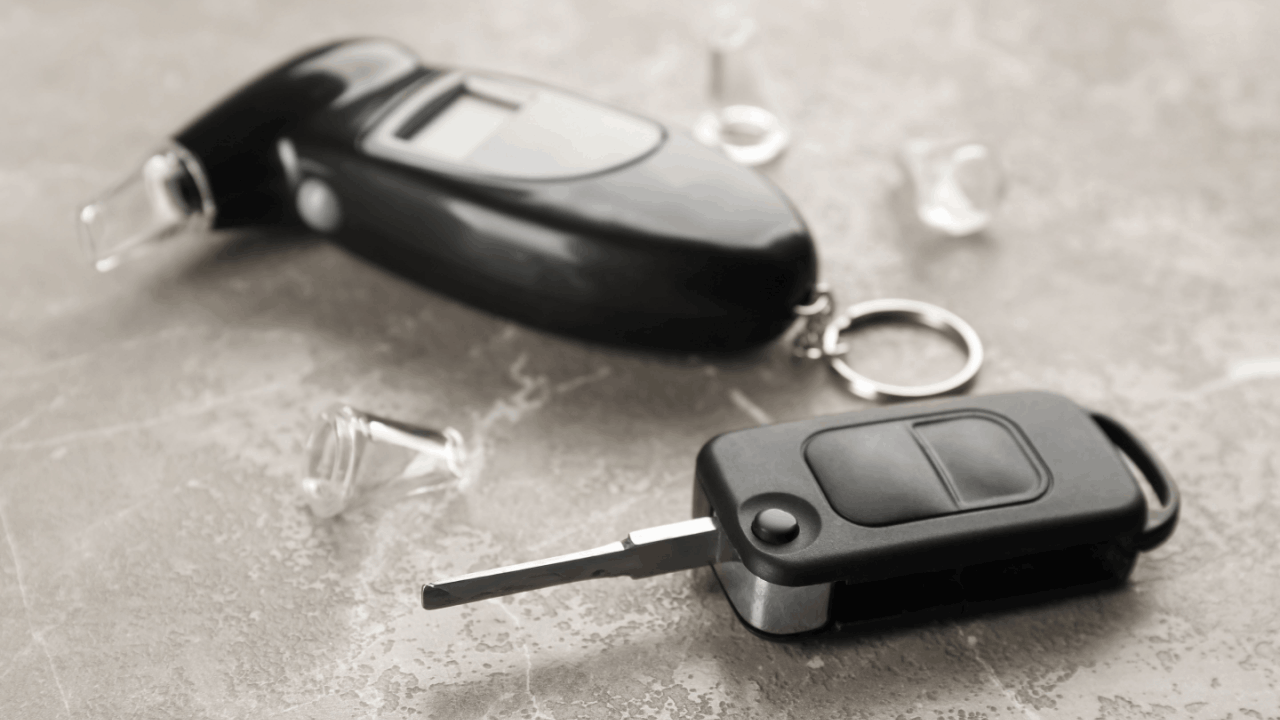
An ignition interlock device is a breath-testing tool installed in a vehicle that prevents the engine from starting if the driver’s breath alcohol concentration exceeds a pre-set threshold. According to the National Highway Traffic Safety Administration (NHTSA), IIDs are among the most widely studied tools in impaired driving prevention.
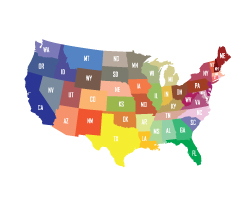
Across the country, IID requirements fall into several categories. In all-offender states — including California, Arizona, New York, and Illinois — IIDs are required for all DUI convictions, including first-time offenses. According to Mothers Against Drunk Driving (MADD), 34 states plus Washington, D.C. currently mandate IIDs for all convicted drunk drivers. In high-BAC cases, several states require IID installation when a driver’s breath or blood alcohol concentration meets or exceeds a statutory threshold, even on a first offense. For repeat offenders, nearly all states impose mandatory IID requirements on second and subsequent DUI or DWI convictions, regardless of BAC level.
Legal Process Overview: States With Notable IID Requirements
Several states have enacted comprehensive IID laws that serve as reference points for national policy discussions.
California — Under California Vehicle Code § 23700, all DUI offenders in participating counties are required to install an IID as a condition of restored driving privileges (according to the California DMV).
Arizona — Arizona imposes mandatory IID installation for first-time DUI offenders, with extended IID periods for extreme DUI cases, according to Arizona Revised Statutes § 28-1461.
Virginia — As of July 2020, Virginia requires IIDs for all first-time DUI convictions, according to the Virginia DMV.
Texas — IID requirements apply in cases involving elevated BAC levels or repeat offenses, with conditions determined by the court, according to Texas Transportation Code § 521.246.
States without all-offender mandates — such as South Dakota and Montana — still impose IIDs for repeat offenders or high-BAC first offenses. Requirements can vary based on individual case facts, prior record, and court discretion.
Key Considerations: IID Duration, Cost, and License Reinstatement
Understanding IID compliance helps accused drivers prepare for the financial and administrative aspects of a DUI case.
Installation and monitoring costs are typically the responsibility of the offender. The American Automobile Association (AAA) has noted that IID-related expenses — including installation, monthly calibration, and removal — represent a significant financial obligation for drivers under court order.
IID duration can range from several months to multiple years, depending on state law, offense level, and the court’s order. Repeat DUI offenders generally face longer mandatory IID periods. Compliance requirements may also include regular device calibration, DMV reporting, and documented logs. Violations of IID terms can result in extended restrictions or additional license suspension under applicable state law.
Navigating IID Laws: Which States Require Ignition Interlock Devices Summary
Which states require ignition interlock devices after a DUI depends on individual state law, offense history, BAC testing results, and the specific facts of each case. All 50 states have enacted IID legislation, with requirements ranging from first-offense mandates to repeat-offender provisions. The legal and administrative consequences of a drunk driving or impaired driving charge can vary significantly based on where the offense occurred and how state law applies to the circumstances involved.
Legal Help Available: Which States Require Ignition Interlock Devices Information
If you are facing a DUI charge and have questions about ignition interlock devices in your state, speaking with a licensed DUI attorney may help clarify which laws apply to your situation. A qualified attorney can explain how state IID requirements, BAC testing standards, and license suspension rules may interact based on your specific case facts. To explore available legal options and connect with attorneys who handle DUI and impaired driving matters.
Frequently Asked Questions
1. What is an ignition interlock device and how does it work?
An IID is a breath-testing unit connected to a vehicle’s ignition system. The driver must provide a breath sample before the engine will start; if the reading exceeds the pre-set limit, the vehicle will not start.
2. Do all states require an ignition interlock device after a first DUI?
Not all states mandate IIDs for first-time offenders. According to MADD, more than 30 states require IIDs for all convicted drunk drivers, including first offenses, while others impose them only for repeat offenses or elevated BAC cases.
3. How long must an IID remain installed after a DUI conviction?
IID duration depends on state law, offense severity, and court orders, and can range from several months for a first offense to multiple years for repeat DUI or DWI convictions.
4. Can I drive without an IID if my state requires one?
Operating a vehicle without a court-ordered IID when one is required may result in additional charges, extended license suspension, or other penalties depending on the jurisdiction and case circumstances.
5. Who pays for the ignition interlock device?
In most states, the offender is responsible for IID installation, monthly calibration, and removal costs. Some states offer financial assistance programs for low-income drivers subject to IID orders.
Key Takeaways
- All 50 states have enacted ignition interlock device laws, though requirements differ based on offense history, BAC level, and applicable state statute.
- According to MADD, more than 30 states require IID installation for all DUI convictions, including first-time offenses.
- IID duration, cost, and compliance requirements are typically determined by the court and the laws of the state where the offense occurred.
- High-BAC offenses and repeat DUI or DWI convictions generally trigger stricter and longer IID mandates in most jurisdictions.
- A licensed DUI attorney can explain how ignition interlock laws and license suspension rules may apply based on the specific facts of a case.