Legal Device Overview: Are Ignition Interlock Devices Legal?
If you’re facing DUI charges, you may be wondering: are ignition interlock devices legal, and could one be required in your situation? Ignition interlock devices represent a legally sanctioned tool that courts and departments of motor vehicles use to address impaired driving concerns. These breath-testing mechanisms are installed in vehicles and require drivers to provide alcohol-free breath samples before the engine will start.
Understanding whether ignition interlock devices are legal—and how they function within the justice system—can help you learn about the complex landscape of DUI laws, administrative hearings, and license suspension matters. Every state has enacted legislation authorizing IID programs, though specific requirements, eligibility criteria, and installation timelines vary significantly by jurisdiction. Outcomes and requirements depend on facts, evidence, procedure, and local court rules.
This article examines the legal framework surrounding ignition interlock devices, how IID programs operate, what installation and monitoring involve, and considerations for those facing potential device requirements. 1800DUILaws.com provides educational resources to help you understand DUI charges and connect with licensed attorneys who can discuss how these laws may apply to your specific situation.
DUI Terms Explained: What Are Ignition Interlock Devices?
Defining Ignition Interlock Technology
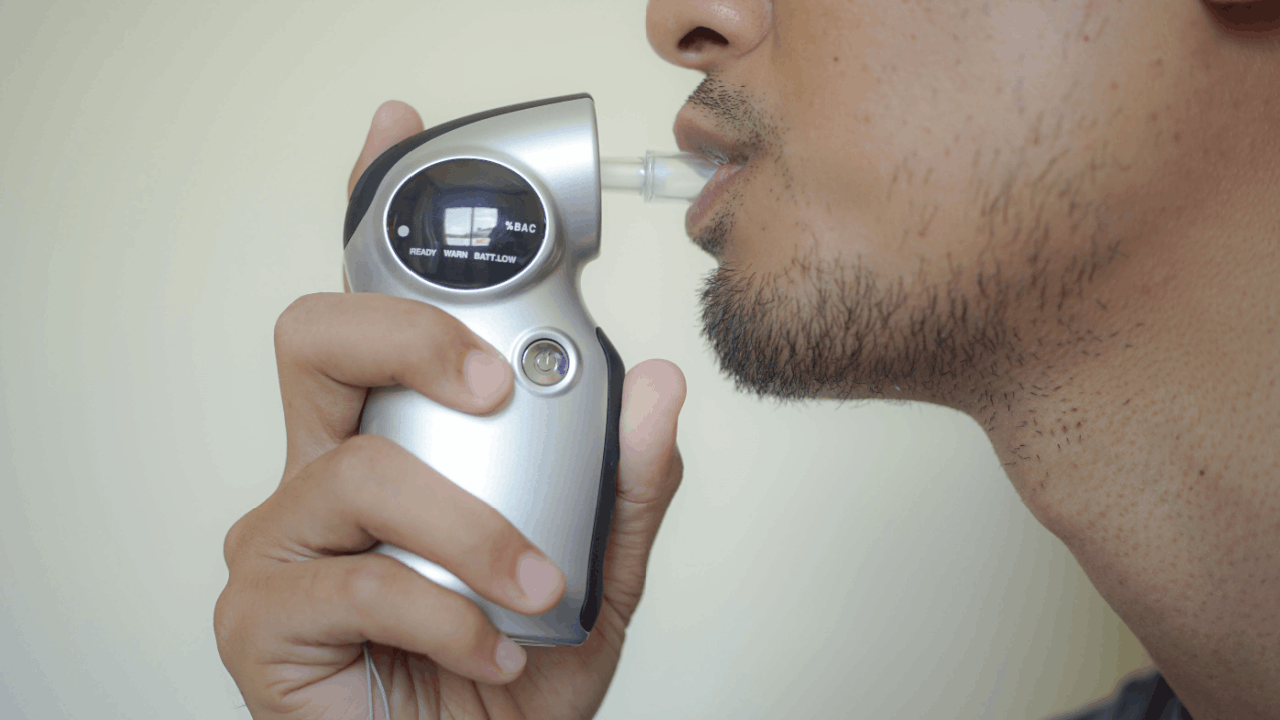
An ignition interlock device is a breath alcohol testing mechanism wired into a vehicle’s ignition system. Before the engine starts, the driver must blow into the handheld unit. If the device detects alcohol above a preset BAC threshold—typically between 0.02 and 0.04—the vehicle will not start. These devices are manufactured by state-approved vendors and must meet specific accuracy and tamper-resistance standards.
How IID Systems Function
Once installed, ignition interlock devices require an initial breath sample. After the vehicle starts, the system prompts “rolling retests” at random intervals, requiring the driver to provide additional samples while safely pulled over. The device records all test results, failed attempts, and any circumvention efforts. This data is downloaded regularly during required calibration appointments and may be reported to courts or monitoring agencies.
Legal Authorization Across Jurisdictions
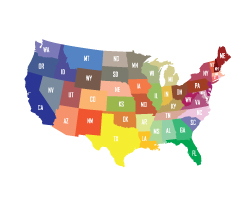
Are ignition interlock devices legal in your state? Yes—every state has passed legislation authorizing their use. However, laws differ regarding when installation becomes mandatory, how long devices must remain installed, and whether first-time offenders face IID requirements. Some states mandate ignition interlock devices for all DUI convictions, while others reserve requirements for repeat offenses or cases involving elevated BAC levels. Requirements vary by jurisdiction and individual case circumstances.
Legal Process Overview: When Courts Order Ignition Interlock Devices
Criminal Court Requirements
Judges may order ignition interlock device installation as part of sentencing following DUI convictions. Courts consider factors including prior offenses, BAC levels at the time of arrest, and whether the incident involved property damage or injuries. Installation periods ordered by criminal courts typically range from several months to several years, depending on offense severity and state statutes. Actual requirements depend on jurisdiction and individual case facts.
Administrative License Actions
Departments of motor vehicles can require ignition interlock devices independently of criminal court proceedings through administrative suspension processes. Following a DUI arrest, drivers often face separate administrative hearings where license privileges are addressed. Many states now offer restricted licenses that permit driving only with an installed IID during suspension periods. Eligibility and terms vary by state and individual circumstances.
Voluntary Installation Programs
Some jurisdictions allow drivers to voluntarily install ignition interlock devices to regain limited driving privileges during suspension periods. These programs may modify suspension lengths or provide work-related driving permissions. Participation requirements vary and typically involve maintaining the device for specified minimum periods. Whether such programs are available depends on local law and case-specific factors.
Testing Methods Explained: How IID Breath Analysis Works
BAC Detection Technology
Ignition interlock devices use fuel cell sensor technology similar to preliminary breath testing instruments. When a driver provides a breath sample, the device measures alcohol concentration and converts this to blood alcohol content. Modern IID systems can distinguish between mouth alcohol and deep lung air to reduce false readings from recent consumption of alcohol-containing products.
Calibration and Accuracy Requirements
State regulations mandate regular calibration appointments, typically every 30 to 60 days. During these service visits, technicians verify device accuracy, download recorded data, and perform maintenance. Missing calibration appointments often constitutes a program violation and may trigger lockout features that prevent vehicle operation until service is completed. Specific requirements depend on state regulations and monitoring agency policies.
Rolling Retest Procedures
While driving, ignition interlock devices randomly prompt for breath samples at intervals determined by program settings. Drivers receive visual and audio warnings providing several minutes to safely pull over and provide the sample. If the driver fails to respond or provides a sample exceeding the preset limit, the device activates warning signals—typically horn honking and light flashing—until the vehicle is turned off.
Common DUI Issues: Installation and Monitoring Requirements
Approved Vendor Selection
States maintain lists of certified ignition interlock device vendors authorized to install and service equipment. Drivers subject to IID requirements must choose from these approved providers. Installation costs, monthly monitoring fees, and calibration expenses vary by vendor and location. Some jurisdictions offer financial assistance programs for those demonstrating economic hardship, though availability and eligibility criteria differ by area.
Vehicle Considerations
Ignition interlock devices can be installed in most vehicles with standard ignition systems. Installation typically takes one to three hours at authorized service centers. For individuals who own multiple vehicles, some programs require devices in all registered vehicles, while others permit installation in a single designated vehicle with restrictions on driving other automobiles. Requirements depend on local program rules.
Household and Employer Vehicles
Questions often arise about driving vehicles owned by family members or employers. Program rules address these situations differently—some states allow exemptions for employer-owned vehicles used during work hours, while others require IID installation in any vehicle the participant operates. Household members not subject to IID requirements can typically drive shared vehicles freely. Specific allowances vary by jurisdiction.
Employment and License Restrictions
Commercial driver’s license holders face additional considerations when ignition interlock requirements are imposed. Federal regulations and employer policies may affect CDL status and job-related driving privileges. Some programs issue restricted licenses specifying IID-equipped vehicles only, while work-related exemptions may be available depending on employment circumstances and state law. How these factors interact depends on individual case details.
Options Explained Clearly: Restricted Licenses and IID Programs
Hardship License Eligibility
Many states offer restricted or hardship licenses allowing limited driving with an installed ignition interlock device during what would otherwise be a full suspension period. Eligibility criteria typically consider whether the offense was a first incident, employment needs, family obligations, and medical necessities. Application processes involve administrative hearings or petition submissions. Whether such licenses are available depends on jurisdiction and individual circumstances.
Installation Timeline Variations
When ignition interlock devices must be installed depends on the legal pathway requiring them. Criminal court orders typically specify installation within certain timeframes of sentencing. Administrative programs may require installation before restricted driving privileges take effect. Understanding jurisdiction-specific timelines helps ensure compliance with all program deadlines. Actual requirements vary by location and case type.
Program Duration Factors
The length of time ignition interlock devices must remain installed varies based on statutory minimum periods, court discretion, and offense characteristics. First-time offenses with standard BAC levels typically involve different installation periods than repeat offenses or cases with aggravating factors. Some programs extend required installation periods following violations or failed tests. Actual duration depends on multiple factors including jurisdiction and individual case facts.
Key Evidence Factors: IID Data in Legal Proceedings
Admissibility in Court
Data recorded by ignition interlock devices can serve as evidence in various legal contexts. Probation violation hearings, license reinstatement proceedings, and subsequent DUI cases may involve IID compliance records. Courts generally accept properly maintained device data as evidence of breath alcohol testing results and program adherence. How such data is used depends on the specific legal proceeding and jurisdictional rules.
Privacy Considerations
Ignition interlock devices record driving patterns, locations during calibration, and breath test results. This information becomes part of official monitoring records accessible to courts, probation departments, and licensing agencies. Understanding what data is collected and how it may be used in legal proceedings can inform decisions about challenging violations or addressing program concerns.
Violation Documentation
Failed breath tests, missed rolling retests, and calibration appointment failures appear in device download reports. When violations occur, monitoring agencies typically notify courts and licensing authorities. The nature and frequency of violations influence whether programs are extended, driving privileges are revoked, or additional penalties are imposed. Specific consequences depend on violation type and jurisdictional policies.
Practical Next Steps: Preparing for IID Requirements
Documentation and Planning
If facing potential ignition interlock device requirements, gathering relevant documentation helps address program enrollment. This includes vehicle registration information, insurance verification, driver’s license details, and employment or medical documentation supporting hardship license applications. Understanding financial obligations associated with installation and monitoring assists with planning, though costs vary by vendor and location.
Questions for Legal Consultation
When considering how ignition interlock device requirements may affect your situation, certain questions merit discussion: What are the installation period ranges under current law? Are restricted licenses available during suspension periods? What constitutes a program violation? How might employment or family circumstances affect program terms? What happens if device data shows violations? How these questions apply to individual cases depends on jurisdiction and specific facts.
Compliance Monitoring Preparation
Program participation requires understanding all compliance obligations. This includes calibration appointment schedules, proper breath sample techniques, rolling retest response procedures, and prohibited behaviors like tampering or using circumvention methods. Monitoring agencies provide orientation materials, but clarifying expectations before installation can help prevent inadvertent violations. Specific requirements vary by program.
Understanding Your Options: Are Ignition Interlock Devices Legal in Your Case?
Ignition interlock devices are legal, court-authorized tools used throughout the United States to address impaired driving concerns while allowing some individuals to maintain driving privileges. These breath-testing mechanisms operate under comprehensive regulatory frameworks establishing installation requirements, monitoring procedures, and compliance standards. Whether you’ll face IID requirements depends on multiple factors including state law, offense characteristics, prior history, and administrative versus criminal proceedings. Outcomes depend on facts, evidence, procedure, and jurisdiction.
Understanding how ignition interlock programs function—from initial installation through program completion—provides important context for learning about DUI charges and license suspension matters. The legal landscape surrounding these devices continues to evolve as states modify statutes, expand program eligibility, and adjust compliance requirements. Requirements and consequences vary significantly by location and individual case circumstances.
Getting Information: Are Ignition Interlock Devices Legal?
If you’re facing DUI charges or administrative license actions that may involve ignition interlock device requirements, you may wish to speak with a licensed DUI attorney to discuss how these laws apply to your specific situation. 1800DUILaws.com provides educational resources about DUI charges, testing procedures, and court processes. To learn more about how ignition interlock devices work in your state or to connect with attorneys who can discuss your individual circumstances, consulting with a qualified legal professional in your area can provide guidance tailored to your case.
Attorneys practicing DUI defense may explore exclusive drunk driving lead services as one method of connecting with potential clients.
Frequently Asked Questions
1. What happens if an ignition interlock device detects alcohol?
If alcohol above the preset limit is detected during startup, the vehicle will not start. During rolling retests, warning signals activate but the engine continues running for safety. Failed tests are recorded and reported, potentially resulting in violations.
2. How does the court process work for IID requirements?
Courts may order IID installation during sentencing as a probation condition, while licensing agencies can impose requirements administratively. Individuals receive written orders, meet installation deadlines, choose approved providers, and must maintain compliance for the specified period.
3. What are common timelines for device installation periods?
Installation periods vary by state law and case details. First offenses may require several months to one year. Repeat or aggravated cases can require multiple years. Judges or statutes determine minimums, depending on jurisdiction.
4. What does BAC mean in relation to ignition interlock devices?
BAC means blood alcohol concentration, representing alcohol in the bloodstream. Interlock devices measure breath alcohol and estimate BAC. Vehicles are prevented from starting when readings exceed programmed thresholds, often between 0.02 and 0.04.
5. Are ignition interlock devices required in all DUI cases?
Requirements depend on state law and case circumstances. Some states mandate devices for all convictions, including first offenses. Others limit requirements to repeat offenses, high BAC levels, or aggravating factors. Administrative programs may also impose separate requirements.
Key Takeaways
- Legal Authorization: Ignition interlock devices operate under state-authorized programs with established regulatory standards governing device certification, vendor approval, installation procedures, and compliance monitoring requirements. Specific standards vary by jurisdiction.
- Multiple Pathways: IID requirements can arise through criminal court sentencing, administrative license suspension proceedings, or voluntary participation in restricted license programs, each following distinct procedural timelines. Which pathways apply depends on case circumstances and local law.
- Compliance Obligations: Program participation requires maintaining devices for ordered periods, attending regular calibration appointments, providing alcohol-free breath samples, and avoiding tampering or circumvention attempts. Specific requirements vary by program and jurisdiction.
- Data and Monitoring: Devices record comprehensive information about all breath tests, driving patterns, and compliance events, with data regularly downloaded and reviewed by monitoring agencies and potentially used in legal proceedings. How data is interpreted depends on program policies.
- Jurisdictional Variations: State laws differ significantly regarding when IID installation becomes mandatory, installation period lengths, violation consequences, and availability of alternative measures or hardship exemptions. Requirements depend on location and individual case facts.