Legal Process Overview: Can an Interlock Device Be Removed Early
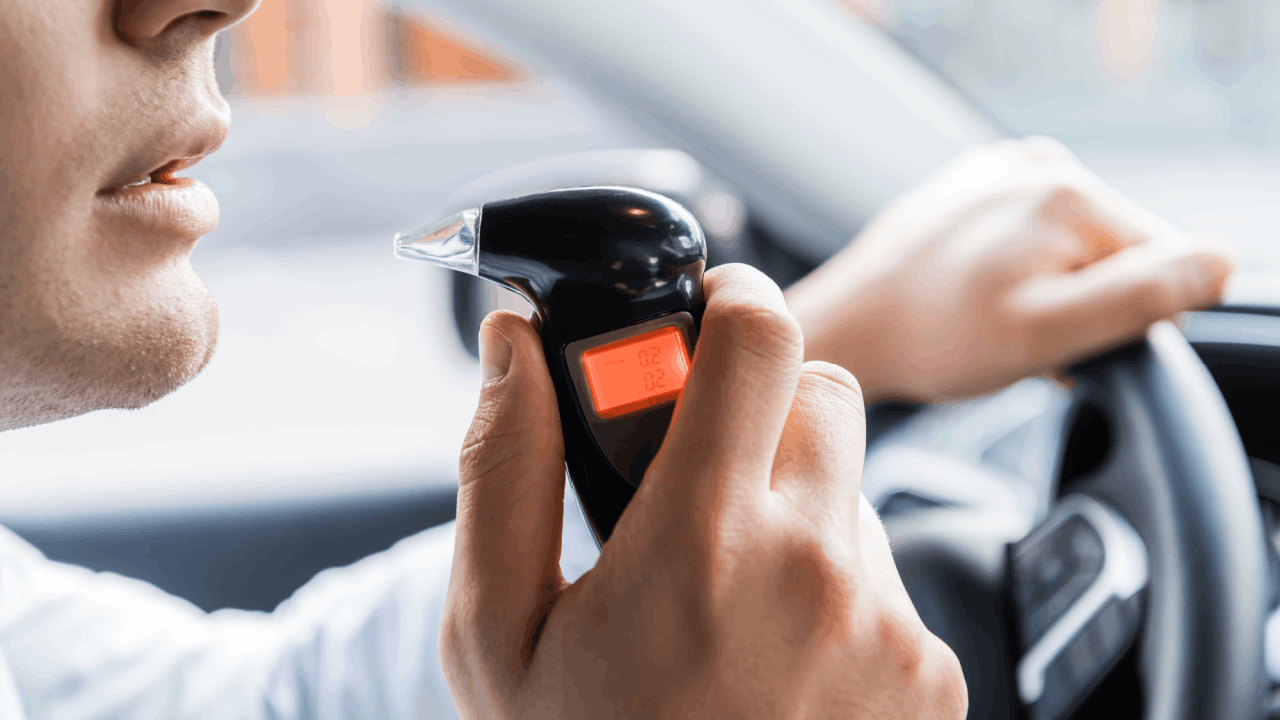
Understanding whether can an interlock device be removed early requires knowledge of your state’s specific DUI laws and interlock program requirements. An ignition interlock device (IID) is a breath-testing mechanism installed in vehicles following DUI convictions or license suspensions. While installation periods are mandated by law, some jurisdictions allow for early removal petitions under particular conditions.
The possibility of early interlock removal depends on several factors including the nature of your drunk driving offense, your compliance record with the interlock program, completion of required monitoring periods, and state-specific regulations. Most states require a minimum installation period before considering early removal, and the process typically involves court approval or administrative review by the Department of Motor Vehicles.
Drivers facing extended interlock requirements often wonder about their options for shortening this obligation. The answer varies significantly based on whether you’re dealing with a first-time DWI offense or repeat violations, your BAC level at arrest, and whether your case involved aggravating circumstances.
Eligibility Requirements for Early Interlock Device Removal
Whether can an interlock device be removed early in your situation depends on meeting specific eligibility criteria established by your state. Most jurisdictions require a clean compliance record demonstrating that you’ve completed a minimum portion of your required interlock period without violations.
Common eligibility factors include completing alcohol education programs, maintaining a violation-free interlock period for a specified duration, paying all fines and fees associated with your DUI case, and demonstrating responsible vehicle operation. According to the Insurance Institute for Highway Safety, interlock violations such as failed breath tests or tampering attempts typically reset eligibility timelines and can extend installation requirements.
The legal process for requesting early removal generally involves filing a formal petition with the court that handled your original case or submitting an application to your state’s licensing authority. This petition must demonstrate that you’ve satisfied all conditions, including any mandated alcohol treatment programs and monitoring requirements. Some states require a hearing where evidence of compliance and rehabilitation must be presented.
State-Specific Considerations for Interlock Device Early Removal
The question of can an interlock device be removed early has different answers depending on your jurisdiction, as each state establishes its own ignition interlock laws and removal procedures. California, for example, has specific provisions under Vehicle Code Section 13386 governing IID requirements and potential modifications to installation periods based on compliance.
Some states offer restricted driver’s license programs that may affect interlock duration, while others maintain mandatory minimum periods that cannot be shortened regardless of compliance. First-time offenders may face different timelines compared to repeat DUI offenders, who often encounter extended requirements with limited early removal options.
Understanding your state’s BAC testing standards and field sobriety test procedures from your original arrest can also impact interlock requirements. States with lower BAC thresholds or enhanced penalties for high BAC levels typically impose longer mandatory interlock periods with more restrictive early removal provisions.
Moving Forward: Can an Interlock Device Be Removed Early in Your Case
Can an interlock device be removed early ultimately depends on the specific facts of your case, your state’s legal framework, and your demonstrated compliance with all program requirements. While some drivers successfully petition for early removal, outcomes vary based on individual circumstances, judicial discretion, and applicable DUI laws.
Understanding the interlock removal process requires familiarity with your jurisdiction’s specific requirements, documentation standards, and petition procedures. The license suspension and court process can be complex, making it important to approach early removal requests with thorough preparation and realistic expectations about potential timelines.
Every DUI case presents unique factors that influence interlock obligations and removal possibilities.
Get Legal Information: Ignition Interlock Device Options
If you’re required to maintain an ignition interlock device and wondering about your options, you may wish to speak with a licensed DUI attorney to discuss how interlock laws may apply to your situation. Legal professionals can review your compliance record, assess eligibility for early removal petitions, and explain the procedures in your jurisdiction. Learn more about ignition interlock devices or explore drunk driving defense resources to understand available legal options.
Frequently Asked Questions
1. What is the minimum time before requesting early interlock removal?
Minimum periods vary by state but typically range from six months to one year of violation-free interlock use before early removal requests can be considered.
2. Do interlock violations affect early removal eligibility?
Yes, failed breath tests, tampering attempts, or missed calibration appointments typically disqualify drivers from early removal and may extend installation requirements.
3. Is early removal automatic after completing the minimum period?
No, early removal typically requires filing a formal petition with the court or DMV and demonstrating compliance with all program requirements.
4. Can first-time offenders get interlock devices removed earlier than repeat offenders?
First-time offenders generally face shorter mandatory periods and may have more favorable early removal options compared to drivers with multiple DUI convictions.
5. What documentation is needed for early interlock removal petitions?
Typical documentation includes interlock monitoring reports, proof of treatment program completion, current driving records, and payment verification for all fines and fees.
Key Takeaways
- Early ignition interlock device removal eligibility depends on state law, offense type, and individual compliance history.
- Most jurisdictions require a minimum violation-free interlock period before considering early removal petitions.
- Successful early removal typically requires court approval or administrative review with comprehensive supporting documentation.
- Interlock violations such as failed breath tests can disqualify drivers from early removal and extend installation requirements.
- A licensed DUI attorney can explain jurisdiction-specific procedures and assess whether your circumstances may support an early removal request.