Legal Process Overview: How Ignition Interlock Devices Collect Data
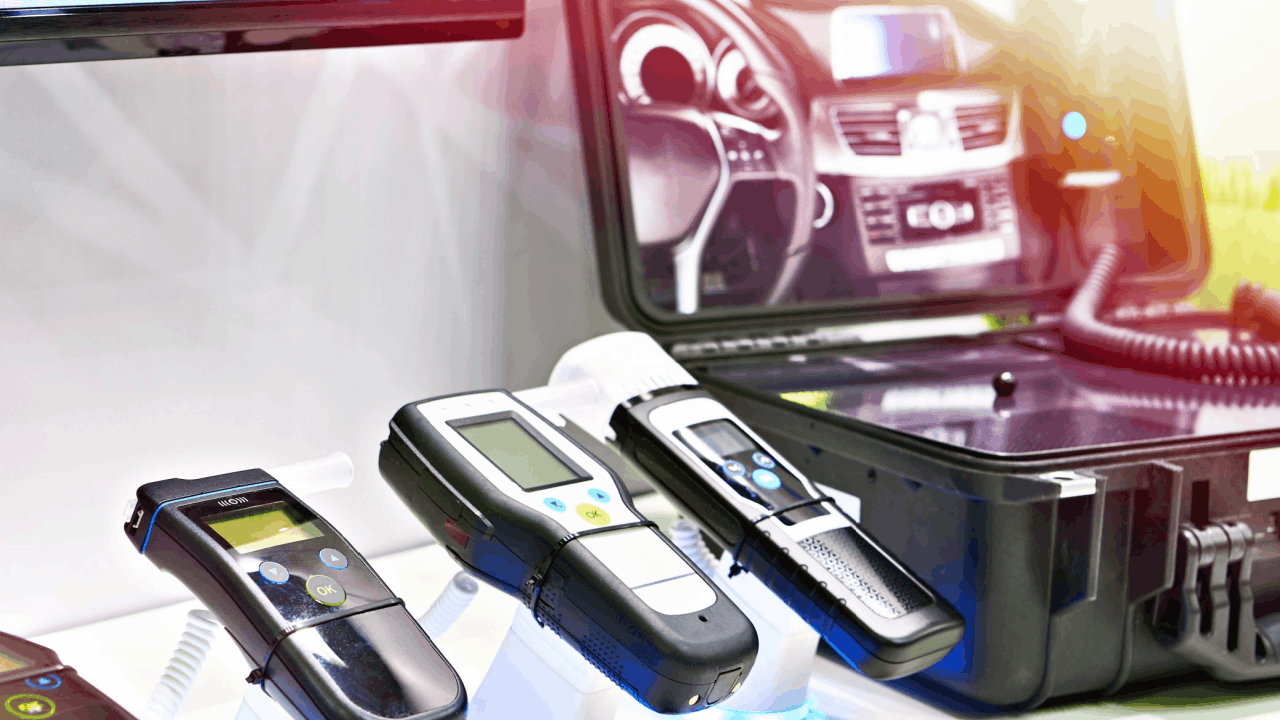
Do interlocks track your location? Ignition interlock devices (IIDs) are court-ordered tools used in DUI cases across the United States. While their primary function is breath alcohol testing, many modern IID models include GPS capabilities. According to the National Highway Traffic Safety Administration (NHTSA), more than 350,000 ignition interlock devices are in active use nationwide at any given time.
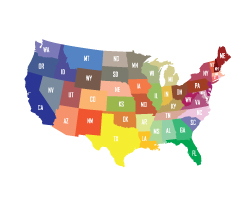
According to the Governors Highway Safety Association (GHSA), all 50 states have enacted some form of ignition interlock legislation. The scope of data collection — including whether GPS location tracking is mandatory — varies by state law and the specific IID model installed under a driver’s court order.
Key Considerations: GPS Tracking and Your DUI Legal Obligations
If your IID includes GPS functionality, location data may be used to verify compliance with geographic restrictions, such as travel limitations tied to probation or a hardship license. In some jurisdictions, courts use this information to confirm a driver is not operating a vehicle in prohibited areas or during restricted hours.
For those convicted of drunk driving or impaired driving offenses, violating interlock program terms — including tampering with the device or attempting to circumvent BAC testing — can result in extended IID requirements, license suspension, or additional legal consequences. The specific penalties depend on individual circumstances and applicable state law.
According to Mothers Against Drunk Driving (MADD), ignition interlock devices have been associated with a measurable reduction in repeat impaired driving incidents, which is why courts treat interlock compliance as a serious legal obligation. How a violation is addressed can vary significantly based on the facts of a case, the jurisdiction involved, and the legal representation available.
Common DUI Issues: IID Privacy and Data Access Rights
The question of whether interlocks track your location raises valid privacy considerations. Data collected by IIDs — including GPS coordinates — may be accessed by multiple parties: the IID vendor, a probation officer, the court, and in some cases law enforcement.
State laws governing IID data retention and access differ widely. Some states have enacted specific privacy protections limiting how long location data can be stored or who may request it. Others leave broader discretion to the courts and supervising agencies.
According to the National Interlock Association (NIA), IID monitoring programs are designed to support rehabilitation and public safety goals within the structure of DUI sentencing. If you have concerns about the extent of location monitoring in your case, how these laws apply may depend on the specific facts of your situation and the state where your DUI case was filed.
Understanding Your Rights: Do Interlocks Track Your Location — Key Takeaways
Do interlocks track your location? The answer depends on your device model, state law, and the specific terms of your court order. Modern IIDs often include GPS capabilities that transmit both compliance and location data to supervising authorities. Understanding your interlock requirements is a critical part of navigating DUI laws and avoiding further legal complications. Legal obligations tied to IID programs vary by jurisdiction, charge type, and individual circumstances. Staying informed about what your interlock records — and who receives that information — is an essential step for any driver under court supervision.
Explore Your Legal Options: Do Interlocks Track Your Location — Get Informed
If you have questions about ignition interlock devices following a DUI or impaired driving charge, speaking with a licensed DUI attorney may help clarify how state laws apply to your specific situation. Attorneys who handle drunk driving cases can explain what IID monitoring may mean for your legal obligations and available options. Visit 1800DUILaws.com to request a free DUI consultation and learn more about how DUI laws may apply to your case.
Frequently Asked Questions
1. Do all ignition interlock devices have GPS tracking?
Not all IID models include GPS functionality. Whether your device tracks location depends on the manufacturer, the model installed, and your state’s interlock program requirements.
2. Who can access the location data collected by my IID?
Data access varies by state, but location and compliance data are commonly available to your IID provider, probation officer, the court, and in some circumstances, law enforcement.
3. Can GPS data from an IID be used against me in court?
IID data, including GPS logs, may be used in compliance hearings or court proceedings. How this information is treated can depend on the facts of your case and applicable state law.
4. What happens if I tamper with my IID?
Tampering with an ignition interlock device is a violation of most interlock program terms and can result in extended IID requirements, license suspension, or additional legal consequences depending on state law and individual case circumstances.
5. Does having an IID affect my driving privileges?
An IID is typically installed as a condition of a restricted or reinstated license following a DUI or impaired driving conviction. Specific driving restrictions and IID program terms vary based on state law and your court order.
Key Takeaways
- Do interlocks track your location — many modern IID models include GPS capabilities that record vehicle location during BAC test events and transmit this data to supervising authorities.
- All 50 states have enacted some form of ignition interlock legislation, though the scope of location tracking and data reporting requirements varies by state law.
- IID compliance data, including GPS logs, may be reviewed by the court, probation officers, and the IID provider as part of a driver’s ongoing legal obligations.
- Violating interlock program requirements can result in license suspension, extended IID periods, or additional legal consequences depending on jurisdiction and individual case facts.
- Drivers with questions about IID monitoring, location tracking, or DUI law obligations may benefit from speaking with a licensed DUI attorney who can explain how applicable laws may apply to their specific situation.