
Sentencing Factors Explained: Do Most People Go to Jail for DUI
Do most people go to jail for DUI is a question that cannot be answered with simple statistics because sentencing outcomes depend on numerous case-specific factors and jurisdictional variations. Concern about potential incarceration following drunk driving charges is understandable, but penalties range dramatically based on offense level, jurisdiction, individual circumstances, and prior criminal record. This article provides educational information about sentencing factors affecting DWI jail time, penalty types beyond incarceration, jurisdictional differences in impaired driving penalties, and considerations judges evaluate when imposing sentences.
You’ll learn about statutory penalty ranges, alternative sentencing options, aggravating circumstances triggering enhanced penalties, first offense versus repeat offender distinctions, and how local court practices affect outcomes. Understanding these components helps you recognize the complexity of sentencing determinations rather than relying on generalized predictions.
Actual sentencing depends on your specific facts, applicable state laws, local prosecutorial policies, and judicial discretion within statutory frameworks. 1800DUILaws.com serves as an educational resource to help you understand drunk driving sentencing factors and locate licensed attorneys who can evaluate your individual circumstances and explain jurisdiction-specific penalty considerations.
Understanding DUI Sentencing Components
DUI penalties include multiple components beyond incarceration. Understanding sentencing complexity clarifies that jail time represents only one potential element among various consequences.
Incarceration Penalties Explained
Misdemeanor DUI results in county jail sentences while felony charges may involve state prison. Suspended sentences allow judges to impose jail time but suspend execution pending probation compliance. Work release programs permit employment continuation during custody. Weekend jail programs and home detention with electronic monitoring provide alternatives to continuous incarceration.
Probation and Supervised Release
Formal probation requires regular reporting to probation officers, drug testing, and compliance monitoring. Summary probation involves minimal supervision with self-reporting. Probation violations trigger custody time imposition. Probationary periods typically last 3-5 years for DUI offenses.
Financial Penalties and Costs
Court fines for first offenses vary by jurisdiction, with statutory assessments adding additional financial obligations. Restitution compensates victims for damages or injuries. Court costs, administrative fees, and mandatory program fees compound financial impacts significantly.
Non-Custodial Requirements
DUI education programs of varying lengths, substance abuse evaluations, community service requirements, and victim impact panels constitute standard non-custodial sentencing components, and victim impact panel attendance constitute standard non-custodial sentencing components affecting time and finances without involving jail time.
Penalty Ranges for Initial DUI Convictions
First offense DUI charges typically carry less severe penalties than repeat offenses, though substantial jurisdictional variations exist. Understanding first-time drunk driving penalty frameworks clarifies potential outcomes without predicting individual case results.
Statutory Penalty Ranges for First Offenses
States establish different minimum and maximum jail terms for first offense DUI. Some mandate minimum custody time, while others allow judges to suspend jail sentences entirely—while others allow judges to suspend entire jail sentences. Statutory frameworks provide parameters within which judges exercise discretion based on individual case circumstances.
Alternative Sentencing Programs
Many jurisdictions offer diversion programs allowing first offenders to avoid conviction through program completion. Deferred entry of judgment options postpone sentencing pending compliance with conditions. DUI courts and specialty programs emphasize treatment over incarceration. Eligibility requirements typically exclude high BAC violations, accidents, and prior records within lookback periods.
Standard First Offense Conditions
Even with suspended jail time, first offense penalties include license suspension periods, ignition interlock device installation for specific durations, mandatory DUI school completion, financial penalties, insurance filing requirements, and other administrative conditions determined by statute and case circumstances.
Factors Affecting First Offense Sentencing
BAC level at arrest, cooperation with law enforcement, acceptance of responsibility, and voluntary treatment completion before sentencing all affect judicial decisions within statutory ranges.
When Jail Time Becomes More Likely
Certain circumstances trigger enhanced penalties making incarceration more likely. Understanding aggravating factors clarifies when mandatory minimums apply and judicial discretion becomes limited.
High BAC Enhanced Penalties
Many states impose enhanced penalties when BAC exceeds higher statutory thresholds. Some jurisdictions establish multiple enhancement tiers at different BAC levels. High BAC typically increases minimum jail time requirements, extends license suspension periods, and mandates longer ignition interlock installation. These enhancements often apply even for first offenses.
Accident-Related Enhancements
Property damage involving DUI increases penalties substantially. Injury to other persons triggers significant enhancements. Great bodily injury allegations elevate charges to felony levels in most jurisdictions. Fatality cases result in vehicular manslaughter or vehicular homicide charges carrying multi-year prison sentences rather than county jail terms.
Prior Offense Enhancements
Second offense penalties increase substantially with mandatory minimum custody terms common. Third offenses typically constitute felony DUI charges regardless of other circumstances. Lookback periods vary—states commonly use 5, 7, or 10-year windows for counting prior offenses. Repeat offender enhancements significantly limit judicial sentencing discretion.
Special Circumstance Aggravations
Child endangerment when passengers under specific ages present, excessive speed combinations, driving on suspended license while impaired, and test refusal consequences all constitute aggravating factors triggering enhanced penalties beyond standard first-offense ranges.
State and Local Sentencing Variations
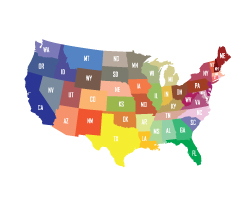
DUI penalties vary dramatically across states and even between counties within states. Understanding these geographic variations clarifies why generalized sentencing predictions prove unreliable.
State Statutory Variations
State DUI laws establish different penalty ranges—some mandate minimum jail time for first offenses while others allow complete suspension. License suspension durations range from months to years across jurisdictions. Ignition interlock device requirements vary from optional to mandatory, with installation timing and duration differing substantially between states.
County-Level Practice Differences
Prosecutor office policies affect charging decisions and plea negotiation approaches within identical state statutory frameworks. Judicial sentencing tendencies vary between courthouses. Available alternative programs including diversion, treatment courts, and monitoring options differ by county. Local court administrative practices create additional variations in how cases proceed.
Urban vs. Rural Distinctions
Court resources affect program availability—urban jurisdictions typically offer more alternative sentencing options. High case volumes in urban courts may influence plea negotiations differently than rural jurisdictions. Available treatment facilities, electronic monitoring resources, and public transportation access affect non-custodial sentence feasibility.
Recent Legislative Changes
States continuously modify DUI penalties—some jurisdictions increase mandatory minimums while others expand treatment-focused reforms. New ignition interlock expansion laws and alternative sentencing program authorizations reflect evolving approaches to DWI penalties by state.
From Conviction to Penalty Imposition
Sentencing follows conviction through trial verdict or plea agreement acceptance. Understanding sentencing hearing procedures clarifies how judges determine penalties within statutory frameworks.
Post-Conviction Pre-Sentence Period
Courts schedule sentencing hearings weeks or months after conviction. Judges may order pre-sentence investigation reports where probation departments evaluate defendant background, circumstances, and risk factors. This period allows voluntary actions including treatment program enrollment demonstrating rehabilitation commitment.
Sentencing Hearing Procedures
Prosecution presents sentencing recommendations within statutory ranges. Defense argues for mitigated sentences citing favorable factors and circumstances. Victims may provide impact statements in applicable cases. Defendants maintain allocution rights—addressing the court directly before judicial decision.
Judicial Sentencing Decision Factors
Judges consider statutory sentencing ranges establishing minimums and maximums, sentencing guidelines or matrices in applicable jurisdictions, case-specific circumstances including aggravating and mitigating factors, and defendant’s background, character evidence, and remorse demonstration.
Sentencing Order Components
Formal sentencing orders specify custody time including suspended portions, probation terms and duration, fines and restitution amounts, special conditions like treatment requirements or community service, and credit for time served pre-conviction. These constitute binding court orders with violation consequences.
Administrative Consequences Beyond Criminal Penalties
License consequences operate separately from criminal DUI penalties through administrative actions by motor vehicle departments. Understanding these independent proceedings clarifies total case impacts.
Administrative License Suspension
Automatic suspension follows DUI arrest or conviction regardless of criminal case outcome. Suspension duration varies by offense level, BAC measurement, and prior record—ranging from months to years. Some jurisdictions offer restricted licenses allowing work or medical driving. Hardship license eligibility depends on specific circumstances and jurisdictional provisions.
Ignition Interlock Device Requirements
Courts or DMV may mandate ignition interlock installation requiring breath samples before vehicle starts. Interlock duration ranges from months to years based on offense circumstances. Installation and monitoring costs apply as required by statute and program providers. Violations including attempted tampering or failed tests extend requirements and may trigger additional administrative penalties.
Insurance Consequences
DUI convictions trigger SR-22 certificate filing requirements proving minimum insurance coverage. Insurance premiums often increase following DUI convictions, depending on insurer policies and individual circumstances. Some insurers cancel policies entirely. SR-22 requirements typically continue three years, with lapses triggering immediate license suspension. These administrative penalties compound criminal court costs and financial impacts.
Practical Next Steps and Understanding Your Specific Situation
Individual case assessment proves essential for understanding realistic penalty possibilities. Multiple factors interact to affect potential sentencing outcomes in your jurisdiction.
Case-Specific Factor Assessment
Evaluate whether you face first offense or have prior DUI record, your BAC level and testing circumstances, presence of aggravating factors like accidents or minors in vehicle, and mitigating circumstances including cooperation and remorse. The jurisdiction where you’re charged substantially affects applicable DUI charges and available sentencing options.
Understanding Applicable Statutory Ranges
Research state-specific penalty provisions establishing minimum and maximum sentences. Local court practices and prosecutorial policies within your jurisdiction affect how statutory ranges apply. Identify whether mandatory minimums exist and what alternative sentencing programs operate locally.
Pre-Sentencing Considerations
Voluntary enrollment in treatment programs, alcohol education classes, character references, employment documentation, and restitution arrangements may influence sentencing. Courts often view proactive steps favorably during case evaluation and penalty assessment.
Questions to Consider
What statutory penalties apply in your jurisdiction? Do aggravating factors exist requiring enhanced penalties? Are you eligible for diversion programs, probation, or other jail alternatives? What voluntary actions demonstrate responsibility? Licensed attorneys can explain jurisdiction-specific factors affecting your legal consultation and sentencing possibilities.
Understanding Penalty Outcome Variability
Do most people go to jail for DUI cannot be answered definitively because sentencing outcomes depend on offense level, jurisdiction, prior record, and specific circumstances. First offenses often involve jail alternatives, but aggravating factors—high BAC, accidents, injuries, minors in vehicle, or prior offenses—trigger enhanced penalties.
DUI penalties include multiple components: potential custody time, probation terms, substantial fines and fees, mandatory alcohol education classes, ignition interlock requirements, and license consequences. Administrative license suspensions operate separately from criminal sentencing, creating dual penalty systems.
Jurisdictional differences create substantial sentencing variations across states and counties. Judges exercise discretion within statutory penalty ranges considering individual factors: remorse, cooperation, mitigating circumstances, completion of treatment programs, and employment impacts.
Understanding that outcomes vary based on statutory requirements, local prosecutorial policies, offense circumstances, and judicial discretion clarifies why generalized predictions about jail alternatives or incarceration prove inappropriate. Case-specific analysis of applicable laws, sentencing guidelines, and individual circumstances determines realistic sentencing outcome expectations in your jurisdiction.
Learning About Penalties: Connect With Licensed Legal Counsel
Sentencing outcomes in DUI cases vary widely based on jurisdiction-specific statutes, prior convictions, aggravating circumstances, and individual case details. If you are facing DUI charges and wish to understand how sentencing factors may apply to your specific circumstances, you may wish to speak with a licensed DUI attorney familiar with your jurisdiction.
Attorneys building their DUI defense practice can access high-quality legal leads to connect with individuals needing immediate counsel. Practitioners interested in network membership can expand their client base, while defendants may explore court-ordered programs often required before case resolution.
1800DUILaws.com provides educational resources about DUI sentencing and penalties, and connects individuals with licensed attorneys who can discuss jurisdiction-specific laws and individual case factors. Get your consultation to understand applicable laws and procedures without guaranteeing any specific outcome. No consultation creates an attorney-client relationship or predicts sentencing results.
Frequently Asked Questions
1. What Is the Difference Between Jail and Prison for DUI?
Jail typically refers to county facilities where sentences of one year or less are served, while prison refers to state facilities for longer felony sentences. Most first and second DUI offenses are misdemeanors resulting in county jail sentences if custody is imposed.
2. Can a Judge Suspend a Jail Sentence for DUI?
Judges in many jurisdictions have discretion to suspend all or part of a jail sentence, meaning defendants avoid serving time unless probation is violated. Whether suspension is available depends on statutory provisions, offense level, and case circumstances.
3. What Are Alternative Sentencing Options for DUI?
Alternative sentencing options may include diversion programs, deferred entry of judgment, home detention with electronic monitoring, work release programs, and community service. Eligibility typically depends on offense history and statutory program requirements.
4. How Do Prior DUI Convictions Affect Sentencing?
Prior DUI convictions result in enhanced penalties including longer jail sentences, extended license suspensions, higher fines, and longer probation terms. Most states apply lookback periods to determine which prior offenses count toward enhancement.
5. What Factors Do Judges Consider at DUI Sentencing?
Judges consider BAC level, accident involvement, prior record, aggravating and mitigating factors, pre-sentence reports, victim impact statements, employment history, voluntary treatment efforts, and expressions of remorse.
Key Takeaways
- Sentencing Highly Individualized: DUI sentencing depends on offense level, aggravating circumstances, prior record, jurisdiction, and case-specific facts, making simple statistical answers impossible.
- Multiple Penalty Components Possible: DUI sentences combine custody time, probation, fines, license suspension, ignition interlock devices, education programs, treatment, and community service beyond incarceration alone.
- First Offenses Often Include Alternatives: First-time offenses may involve probation, diversion programs, or suspended sentences depending on jurisdiction, BAC level, and aggravating factors.
- Aggravating Factors Increase Penalties: High BAC levels, accidents, injuries, child passengers, prior convictions, or test refusal substantially increase penalties with possible mandatory minimums.
- Jurisdictional Variations Are Substantial: DUI penalties vary dramatically across states with different statutory ranges, mandatory minimums, and alternative program availability.