Understanding Interlock: How Does Interlock Know It’s You
How does interlock know it’s you? Ignition interlock devices (IIDs) use multiple verification technologies to confirm driver identity, including breath pattern analysis, camera systems, and hum tone recognition. According to the National Highway Traffic Safety Administration, these devices are designed to prevent unauthorized users from bypassing court-ordered DUI restrictions.
When courts require ignition interlock installation following a DUI conviction, many individuals wonder how the interlock knows it’s you and whether the device can be circumvented. Modern IID technology employs sophisticated verification methods to ensure the registered user provides each breath sample.
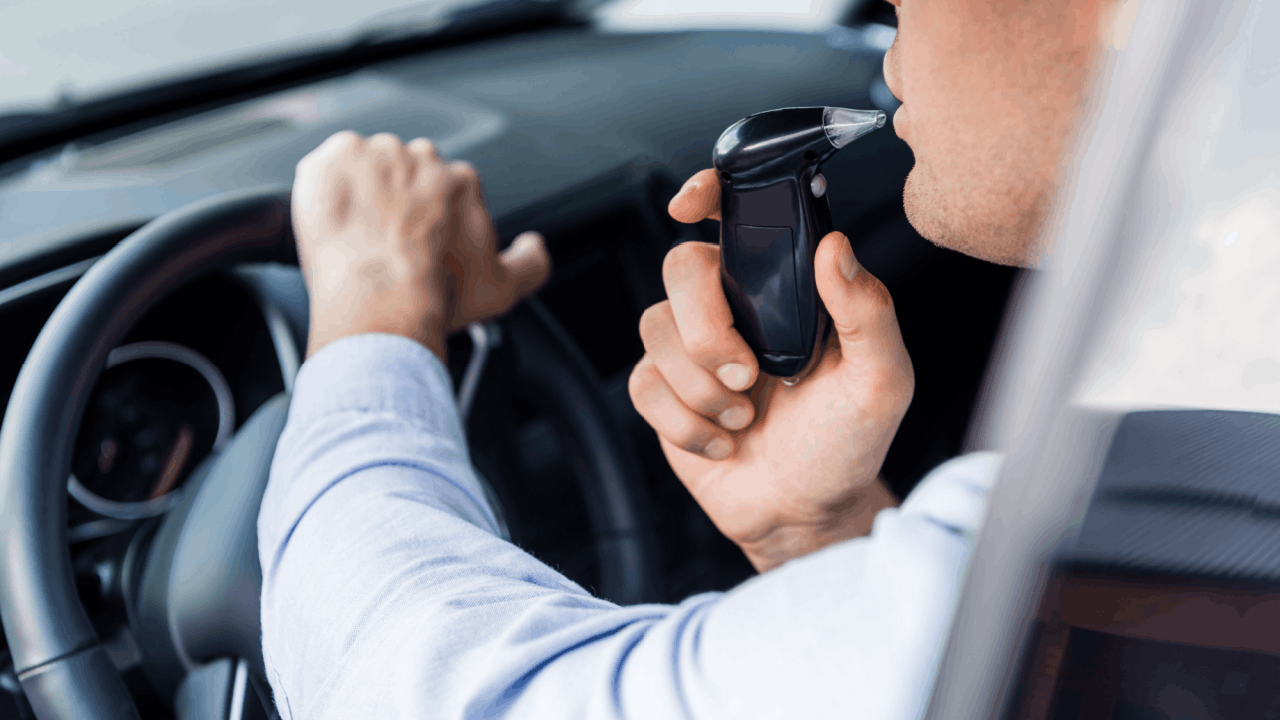
Ignition interlock devices function as breathalyzer systems connected to a vehicle’s ignition. The driver must provide a breath sample before starting the engine. If alcohol is detected above the programmed limit, the vehicle will not start. However, the device’s role extends beyond simple alcohol detection—it must also verify that the person providing the breath sample is the authorized driver.
Technical Methods: How Does Interlock Know It’s You Through Verification
Breath Pattern Analysis
Ignition interlock devices analyze unique characteristics of each breath sample beyond alcohol content. The device measures breath volume, flow rate, and the specific pattern of exhalation. According to research published by the International Council on Alcohol, Drugs and Traffic Safety, these breath characteristics create a baseline profile during device installation and calibration.
Camera Verification Systems
Many modern IID units incorporate camera technology that captures images during each breath test. The device photographs the person providing the breath sample at the moment of testing. These images are stored in the device’s memory and transmitted to monitoring authorities during regular reporting cycles.
Hum Tone Technology
The hum tone requirement answers how does interlock know it’s you through voice pattern recognition. During installation, technicians calibrate the device to recognize the registered user’s specific hum frequency and breath delivery pattern. Each subsequent test must match these baseline characteristics within acceptable parameters.
Monitoring Systems: How Does Interlock Know It’s You During Use
Rolling Retests
Ignition interlock devices require random retests while the vehicle is operating, known as rolling retests. According to Centers for Disease Control and Prevention data, these retests occur at unpredictable intervals after the engine starts, typically while driving.
Data Logging and GPS
Modern IID units log extensive data about each use attempt, including date, time, location (via GPS), breath test results, and any violation attempts. This comprehensive monitoring record provides authorities with detailed information about device use patterns.
Tampering Detection
Ignition interlock devices include sensors that detect tampering attempts. Any effort to disconnect, bypass, or physically manipulate the device triggers immediate violation recording. The device can detect changes in electrical connections, physical positioning, or attempts to access internal components.
Legal Implications: How Does Interlock Know It’s You and Violations
Violation Consequences
When an IID detects potential circumvention—whether through failed identification verification, missed rolling retests, or tampering—it records the event as a violation. State laws vary regarding how authorities handle ignition interlock violations, but consequences may include license suspension extension, additional monitoring requirements, or criminal charges for tampering with court-ordered monitoring equipment.
Monitoring and Reporting
IID service providers regularly download device data and submit reports to courts and licensing authorities. These reports detail all breath tests, violations, and device alerts that occurred during the reporting period. Camera images accompany the data when verification questions arise.
Legal Defense Considerations
Individuals facing ignition interlock violations may need to address questions about device accuracy, calibration records, or whether technical malfunctions caused reported issues. A licensed DUI attorney can explain how interlock violation allegations may be challenged based on the specific facts of the case and applicable state law governing IID requirements.
Final Understanding: How Does Interlock Know It’s You Summary
How does interlock know it’s you involves multiple verification technologies working together—breath pattern analysis, camera systems, hum tone recognition, GPS tracking, and comprehensive data logging. These systems aim to ensure that court-ordered DUI monitoring applies to the specific individual rather than allowing unauthorized users to circumvent restrictions.
Seeking Guidance: Ignition Interlock Information
Questions about ignition interlock requirements, verification technology, or potential violations may warrant consultation with a legal professional familiar with DUI law in your jurisdiction. Those facing ignition interlock devices requirements or violation allegations may wish to speak with a licensed DUI attorney to discuss how these laws may apply to their situation.
Understanding your obligations under court-ordered monitoring may help you better navigate compliance requirements. To learn more about drunk driving defense options and available legal resources, you may wish to speak with a licensed DUI attorney to discuss your specific circumstances.
Frequently Asked Questions
1. Can someone else blow into my ignition interlock device?
Ignition interlock devices use breath pattern analysis, hum tone recognition, and camera verification to detect when someone other than the registered user provides breath samples. Such attempts are recorded as violations.
2. What happens if I fail a rolling retest?
Failing to complete a rolling retest triggers the vehicle alarm system and records a violation. The incident is reported to monitoring authorities and may result in additional penalties depending on jurisdiction.
3. How accurate is ignition interlock camera verification?
Camera systems photograph the person providing each breath sample, creating visual records that monitoring authorities review. Image quality varies by device model and lighting conditions during testing.
4. Can ignition interlock devices malfunction?
Like any electronic device, IIDs can experience technical issues including calibration drift, sensor problems, or software errors. Regular maintenance and calibration are required to maintain accuracy and prevent false violations.
5. How often must I have my interlock device serviced?
Service intervals vary by state requirements and device manufacturer, but most jurisdictions require monthly or bi-monthly calibration appointments where technicians download data, verify proper function, and recalibrate the device.
Key Takeaways
- Ignition interlock devices verify user identity through breath pattern analysis, camera systems, hum tone recognition, and data logging to prevent circumvention of court-ordered DUI restrictions.
- Rolling retests occur at random intervals while driving to ensure the registered user remains behind the wheel and has not consumed alcohol after the initial test.
- Modern IID technology includes GPS tracking, tampering detection sensors, and comprehensive monitoring that records all device interactions for reporting to authorities.
- Violations may result from failed verification attempts, missed rolling retests, tampering, or alcohol detection, with consequences that vary based on state law and individual case circumstances.
- Questions about ignition interlock requirements, device accuracy, or violation allegations may be addressed through consultation with a licensed DUI attorney familiar with applicable laws in your jurisdiction.