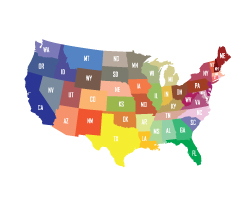

Record Duration Explained – State-Specific Retention Periods
How long does a DWI stay on record depends primarily on your state’s laws governing criminal records and DMV driving histories. These systems operate independently—your criminal court record exists separately from your motor vehicle record, each with different retention periods and accessibility rules. Understanding both record types helps you grasp the full scope of how impaired driving convictions affect your future.
Criminal court records generally remain permanent in most jurisdictions unless you successfully petition for expungement or sealing. These records appear in background checks conducted by employers, landlords, professional licensing boards, and educational institutions. The National Highway Traffic Safety Administration (NHTSA) reports that DWI convictions create lasting documentation accessible through court databases and commercial background check services.
DMV driving records typically retain drunk driving convictions for 5-15 years depending on state regulations. Insurance companies primarily access these motor vehicle records when calculating premiums. Additionally, law enforcement uses DMV histories to determine whether subsequent arrests qualify as repeat offenses triggering enhanced penalties. Some states maintain lifetime DMV records for serious offenses including felony DWI or cases involving injuries.
Criminal Record vs. DMV Record: Understanding the Difference
Understanding how long does a DWI stay on record requires distinguishing between criminal and driving records. Criminal court records document your conviction, sentence, probation terms, and case disposition. These records remain accessible through county clerk offices, state repositories, and federal databases. Most states lack automatic expungement provisions, meaning convictions persist indefinitely without legal intervention.
Your criminal record affects employment opportunities, particularly for positions requiring driving, professional licenses, or security clearances. The Centers for Disease Control and Prevention (CDC) emphasizes that impaired driving convictions carry significant social and professional consequences beyond immediate legal penalties. Employers conducting criminal background checks see DWI convictions alongside other offenses, potentially influencing hiring decisions.
State-Specific Retention Periods for DWI Records
How long does a DWI stay on record varies dramatically across jurisdictions. California maintains DWI convictions on driving records for 10 years, while criminal records remain permanent. Texas retains drunk driving convictions permanently on both criminal and driving records. New York keeps DWI convictions on DMV records for 15 years but criminal records indefinitely.
Commercial driver’s license (CDL) holders face lifetime DWI documentation under federal regulations. A single impaired driving conviction disqualifies CDL applicants permanently in most circumstances, regardless of state record retention periods. This permanent disqualification applies even when state records show expungement.
Expungement and Record Sealing Options
The question of how long does a DWI stay on record changes significantly if expungement or sealing becomes available. Expungement legally erases convictions from criminal records, while sealing restricts access to specific entities. Eligibility requirements vary by state but typically include:
- Completion of sentence terms – Finishing probation, paying fines, and satisfying all court requirements
- Waiting period compliance – Allowing specified years to pass since conviction
- No subsequent offenses – Maintaining a clean record during the waiting period
- First-offense status – Many states limit expungement to first-time offenders
- Charge severity restrictions – Misdemeanors qualify more readily than felonies
Some states prohibit DWI expungement entirely, considering drunk driving too serious for record erasure. Others allow expungement only for reduced charges like reckless driving resulting from plea agreements. A few jurisdictions permit expungement after 5-10 years for first-offense misdemeanors with clean subsequent records.
Successful expungement removes convictions from most background checks but rarely affects DMV records. Additionally, law enforcement and courts retain sealed records for internal purposes. Immigration proceedings, security clearances, and professional licensing boards may still access expunged records despite general public restriction.
Record Retention Impact: Long-Term Consequences
How long does a DWI stay on record matters less than understanding the conviction’s ongoing impact. Even time-limited DMV records affect insurance rates for years, while permanent criminal records influence employment opportunities indefinitely. Professional licensing boards in healthcare, education, law, and commercial driving maintain independent databases tracking impaired driving convictions regardless of expungement status, creating barriers to career advancement that persist beyond official record retention periods.
Expert DWI Record Guidance
Understanding record retention timelines and exploring expungement options may require legal guidance. If you’re facing drunk driving charges, you may wish to speak with a licensed defense attorney to discuss how record retention laws apply to your situation and whether expungement options may be available.
Are you a DWI defense attorney? Join our network to connect with individuals seeking legal representation, or learn more about our drunk driving defense lead program..
Frequently Asked Questions
1. Does a DWI conviction stay on your record forever?
Criminal court records typically remain permanent unless expunged, while DMV driving records retain DWI convictions for 5-15 years depending on state laws, though both timeframes affect employment, insurance, and future offense penalties differently.
2. Can you get a DWI removed from your record?
Some states allow expungement for first-offense misdemeanors after completing waiting periods and sentence requirements, though many jurisdictions prohibit DWI expungement entirely or restrict it to reduced charges from plea agreements.
3. How long does a DWI affect insurance rates?
Insurance companies typically surcharge DWI convictions for 3-5 years, increasing premiums by 50-100%, though some insurers maintain internal databases extending beyond official DMV record retention periods affecting long-term rates.
4. Do employers see old DWI convictions on background checks?
Yes, criminal background checks reveal DWI convictions indefinitely unless expunged, though some employers only consider convictions within specific timeframes like 7-10 years depending on position requirements and state laws.
5. How does a DWI affect CDL holders differently?
Federal regulations impose lifetime commercial driving disqualifications for impaired driving convictions regardless of state record retention periods, permanently preventing most CDL holders from maintaining commercial driving careers after DWI convictions.
Key Takeaways
- How long does a DWI stay on record depends on record type—criminal records typically remain permanent while DMV driving records retain convictions for 5-15 years based on state-specific regulations.
- Criminal court records affect employment, professional licensing, and background checks indefinitely, while DMV records primarily impact insurance rates and subsequent offense penalties for shorter periods.
- Expungement eligibility varies dramatically by state, with some jurisdictions prohibiting drunk driving record removal entirely while others allow first-offense misdemeanors to be expunged after 5-10 years.
- Commercial driver’s license holders face lifetime federal disqualifications for DWI convictions regardless of state record retention periods or expungement availability, permanently affecting commercial driving careers.
- Insurance companies often factor DWI convictions into underwriting decisions for several years, though practices vary by insurer and may extend beyond official DMV retention periods.