
Learning How to Expunge a DWI: Requirements and Procedures
How to expunge a DWI involves filing court petitions requesting legal removal of drunk driving convictions from public criminal records. Expungement eligibility typically requires completing sentence terms, waiting 3-10 years post-conviction, maintaining clean records, and meeting state-specific criteria. While processes vary by jurisdiction, expungement restricts public access to conviction records, which may reduce certain barriers related to employment, housing applications, and professional licensing, depending on the situation and applicable law.
Legal Record Clearing Steps
How to expunge a DWI begins with understanding expungement—the legal process sealing or erasing criminal convictions from public records. The National Highway Traffic Safety Administration (NHTSA) recognizes that conviction records create lasting barriers to employment, housing, and professional advancement even years after completing sentences. Expungement may allow qualified individuals to limit public background check access to conviction information, subject to statutory restrictions and exceptions.
However, expungement doesn’t erase all record traces. Law enforcement, courts, and certain government agencies retain sealed records for internal purposes. Additionally, immigration proceedings, security clearances, and professional licensing boards may access expunged records despite public restriction. The Centers for Disease Control and Prevention (CDC) emphasizes that expungement availability varies dramatically by state, with some jurisdictions prohibiting drunk driving expungement entirely while others allow it for qualifying first-offense misdemeanors.
Eligibility Requirements: Who Can Expunge DWI Convictions
Understanding how to expunge a DWI requires meeting strict eligibility criteria. First-offense status represents the primary requirement in states allowing expungement. Most jurisdictions prohibit expunging second or subsequent drunk driving convictions, limiting this remedy to one-time offenders. Your criminal history must show no additional convictions during waiting periods, demonstrating sustained lawful behavior following your DWI.
Sentence completion proves mandatory. You must finish all probation terms, pay fines and restitution, complete alcohol education programs, and satisfy every court-ordered requirement before petitioning for expungement. Outstanding warrants, unpaid fines, or incomplete community service automatically disqualify expungement applications.
Department of Motor Vehicles (DMV) records operate independently from criminal record expungement. Successfully expunging criminal convictions doesn’t automatically remove DWI from driving records, requiring separate DMV proceedings if available under state law.
State-Specific Expungement Rules and Procedures
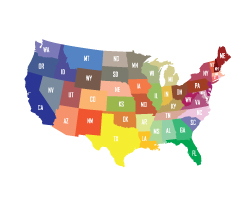
How to expunge a DWI varies dramatically across jurisdictions. States prohibiting DWI expungement entirely include New York, where drunk driving convictions remain permanent regardless of time elapsed or subsequent clean records. Similarly, Florida generally prohibits expunging DWI convictions, though sealing may be available in limited circumstances.
States allowing limited expungement include California, permitting expungement for completed misdemeanor sentences under Penal Code Section 1203.4, though convictions remain visible to DMV and certain licensing boards. Texas allows expungement for DWI arrests not resulting in conviction but rarely for actual convictions—though record sealing through non-disclosure orders may be available for first offenses after waiting periods.
Pennsylvania permits expungement for summary offenses after 5-year waiting periods without subsequent convictions, though DWI typically qualifies as misdemeanor rather than summary offense. Michigan allows setting aside first-offense DWI convictions after 5 years if no other convictions occurred, though this differs from complete expungement.
Filing Process: How to Petition for DWI Expungement
How to expunge a DWI follows specific procedural steps:
- Verify eligibility – Confirm you meet all state requirements including waiting periods, sentence completion, and clean subsequent records
- Obtain court records – Request certified copies of conviction documents, sentencing orders, and proof of completed requirements from the court handling your original case
- Complete petition forms – File expungement petitions with appropriate court jurisdictions using state-specific forms available through clerk’s offices
- Pay filing fees – Submit required fees typically ranging from $100-$500 depending on jurisdiction and charge type
- Serve notice – Provide copies to prosecutors’ offices as required by state procedures, allowing opposition opportunities
- Attend hearings – Present your case to judges demonstrating rehabilitation, explaining why expungement serves justice interests
Courts evaluate multiple factors when considering expungement petitions including employment needs, housing situations, rehabilitation evidence, community ties, and any opposition from prosecutors. Judges exercise substantial discretion, and courts review each petition based on statutory criteria and the specific circumstances presented.
Expungement Timeline Success: Clearing Your DWI Record
The process of how to expunge a DWI typically requires 6-12 months from petition filing through final court orders, depending on jurisdiction backlog and case complexity. After an expungement is granted, individuals may be permitted under certain laws to limit disclosure of the conviction on some employment applications and background checks, though exceptions apply for law enforcement positions, professional licenses requiring disclosure, and certain government applications where expunged records remain accessible despite public sealing.
Expert DWI Expungement Assistance
Navigating expungement procedures requires legal expertise for successful outcomes. If you’re seeking to clear your record, you may wish to request a free evaluation with a licensed attorney to discuss how expungement laws apply to your situation.
Are you a DWI defense attorney? Join our network to connect with clients actively seeking experienced legal representation, or learn about our exclusive drunk driving defense lead program.
Frequently Asked Questions
1. How long after a DWI conviction can you file for expungement?
Waiting periods typically range from 3-10 years depending on state law, measured from conviction date or sentence completion, requiring clean records with no additional convictions during the waiting period before filing eligibility.
2. Does expunging a DWI remove it from your driving record?
No, criminal record expungement doesn’t automatically affect DMV driving records, which operate under separate regulations and may require independent petitions if state law allows driving record modification at all.
3. Can employers see expunged DWI convictions?
Most employers cannot access expunged records through standard background checks, though law enforcement, courts, professional licensing boards, and certain government positions may retain access to sealed conviction information.
4. How much does it cost to expunge a DWI?
Total costs typically range from $500-$2,500 including court filing fees ($100-$500), attorney fees ($400-$2,000), and document costs, varying significantly by jurisdiction and case complexity.
5. Can you expunge a DWI if you have other criminal convictions?
Eligibility depends on state laws—some jurisdictions allow expunging DWI despite other convictions if sufficient time elapsed and rehabilitation is demonstrated, while others require completely clean records before granting expungement.
Key Takeaways
- How to expunge a DWI requires meeting state-specific eligibility including first-offense status, completing all sentence terms, waiting 3-10 years post-conviction, and maintaining clean subsequent records without additional arrests.
- Many states prohibit DWI expungement entirely while others allow limited expungement for first-offense misdemeanors, making state-specific legal research essential before pursuing record clearing.
- Expungement filing procedures involve verifying eligibility, obtaining court records, completing petitions, paying fees, serving prosecutors, and attending hearings where judges evaluate rehabilitation and justice interests.
- Successful expungement removes DWIs from most background checks, though law enforcement and licensing boards may still access sealed records.
- DMV records operate separately, so expunging a criminal conviction doesn’t remove a DWI from your driving record.