Legal Overview: Is Refusing a Breathalyzer Better Than a DUI?
When stopped on suspicion of drunk driving, refusing a breathalyzer test carries automatic penalties in most states. Under implied consent laws, drivers who refuse chemical BAC testing typically face immediate license suspension ranging from 90 days to one year, regardless of whether they were actually impaired.
Understanding the Question: Is Refusing a Breathalyzer Better Than a DUI?
Is refusing a breathalyzer better than a DUI? This question reflects a critical decision drivers face during traffic stops. The answer depends on specific state laws, individual circumstances, and the evidence already present. Many drivers believe refusal eliminates prosecution evidence, but this assumption overlooks significant legal consequences. Refusing breath testing does not prevent DUI charges—prosecutors can pursue impaired driving cases using officer observations, field sobriety test results, and other evidence. Additionally, breathalyzer refusal often results in enhanced penalties if convicted. Understanding implied consent laws, administrative penalties, and potential criminal consequences helps drivers recognize what refusal actually means under DUI statutes. Each jurisdiction applies different standards to test refusals and subsequent charges.
DUI Terms Explained: Implied Consent and Breathalyzer Refusal Laws
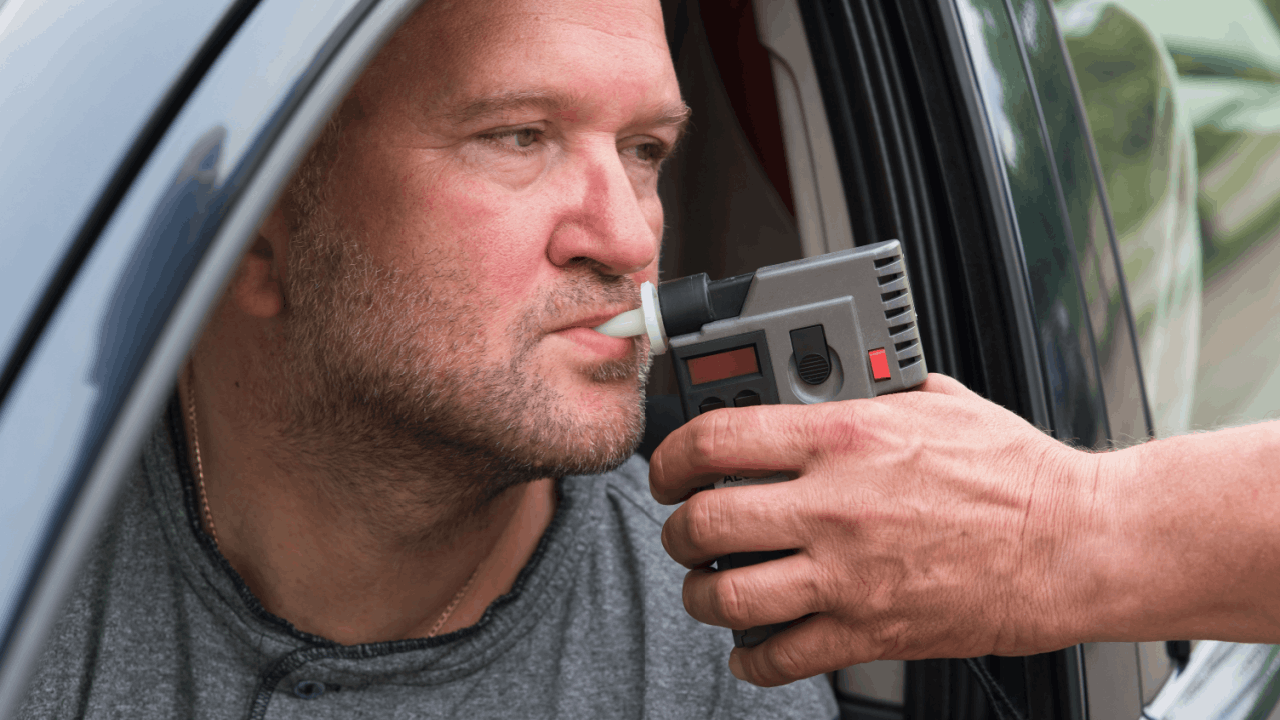
Implied consent laws establish that obtaining a driver’s license constitutes automatic agreement to submit to chemical testing when lawfully arrested for DUI. Every state enforces some version of implied consent, though specific provisions vary. When drivers refuse a breathalyzer, they violate this legal agreement, triggering administrative penalties separate from criminal DUI charges. Most states impose automatic license suspensions for test refusal—often longer than suspensions for first-time DUI convictions. California, for example, mandates a one-year license suspension for breathalyzer refusal, compared to four months for a first DUI with BAC test submission. Approximately 20% of drivers refuse breath tests during DUI stops, according to national DUI enforcement data. However, refusal does not guarantee avoiding conviction. Prosecutors can present refusal itself as consciousness of guilt, while officers testify about observed impairment signs. Some jurisdictions allow forced blood draws under warrant after refusal.
Legal Process Overview: How Breathalyzer Refusal Affects DUI Cases
The question “is refusing a breathalyzer better than a DUI” requires understanding how refusal impacts both administrative and criminal proceedings. Administrative license suspension begins immediately upon refusal, before any criminal court process starts. This civil penalty operates independently from DUI criminal charges. In criminal court, refusing a breathalyzer removes one piece of quantitative evidence—BAC level—but does not eliminate the case. Police reports documenting erratic driving, failed field sobriety tests, alcohol odor, slurred speech, and bloodshot eyes still provide substantial prosecution evidence. Many states enhance DUI penalties for test refusal, adding mandatory jail time or extending license revocation periods. Studies indicate DUI conviction rates for refusal cases range from 60-75%, only slightly lower than cases with failed breath tests. Additionally, approximately 35 states permit prosecutors to inform juries about breathalyzer refusal, allowing fact-finders to draw negative inferences about why someone declined testing.
Key Considerations: Weighing Breathalyzer Refusal Against DUI Charges
Several factors influence whether refusing a breathalyzer creates better or worse outcomes than taking the test. Prior DUI offenses significantly affect this analysis—second or subsequent DUI charges carry substantially harsher penalties, making refusal consequences more complex. BAC level expectations also matter: drivers who consumed minimal alcohol might benefit from test results showing BAC below legal limits, while those who consumed substantial amounts face clear evidence of intoxication. Professional licensing considerations add another layer—certain occupations impose independent discipline for DUI convictions, regardless of breath test results. Commercial driver’s license (CDL) holders face particularly severe consequences, as refusal triggers immediate CDL disqualification under federal regulations. The presence of accident injuries or property damage further complicates refusal decisions, as prosecutors pursue aggravated DUI charges more aggressively. Each case involves different variables that may influence how the law applies to specific circumstances.
Common DUI Issues: Misconceptions About Breathalyzer Refusal
Many drivers hold inaccurate beliefs about breathalyzer refusal benefits. One common misconception suggests that without BAC evidence, prosecutors cannot prove impairment. However, DUI statutes typically include multiple violation types: driving with BAC above legal limits and driving while actually impaired by alcohol. The second provision allows conviction based on observable impairment alone. Another misunderstanding involves assuming refusal avoids all consequences. In reality, administrative license suspension, enhanced criminal penalties, and evidentiary inferences often make refusal more costly than test failure. Some drivers believe they can request attorney consultation before deciding about breath tests. Most states do not provide this right for chemical testing decisions—the choice must occur immediately during the traffic stop. Additionally, refusing roadside preliminary breath tests (PBT) differs from refusing evidential breath tests after arrest. Many jurisdictions allow PBT refusal without penalties, while post-arrest chemical test refusal triggers implied consent violations.
Legal Options Explained: Is Refusing a Breathalyzer Better Than a DUI?
Whether refusing a breathalyzer produces better outcomes than taking the test and potentially facing DUI charges depends on numerous jurisdiction-specific factors and individual case circumstances. Neither option guarantees a favorable result. Drivers who refuse breathalyzers face certain administrative penalties plus potential criminal charges supported by other evidence. Drivers who take breath tests and exceed legal BAC limits face DUI charges with quantitative proof of intoxication, but potentially shorter license suspensions. Some jurisdictions offer restricted licenses during suspension periods for those who submitted to testing, while denying such relief to those who refused. Legal defenses available may also differ—challenging breathalyzer accuracy and administration provides defense options unavailable in refusal cases, while refusal cases focus on challenging impairment observations and field sobriety test validity. The specific facts of each case, applicable state statutes, and available evidence ultimately determine which approach might have led to different consequences. A licensed DUI attorney can explain how local laws and procedures may apply to particular situations.
Next Steps: Is Refusing a Breathalyzer Better Than a DUI Information
Understanding whether refusing a breathalyzer creates better outcomes than facing DUI charges requires examining specific state laws, individual circumstances, and available evidence. Both paths involve significant legal consequences that can affect driving privileges, criminal records, and future opportunities. Drivers facing charges after either refusing or failing breath tests may wish to speak with a licensed DUI attorney to discuss how DUI laws may apply to their situation and learn more about available legal options. Resources including DUI DWI classes, attorneys join, and exclusive leads provide additional information about navigating the legal process.
Frequently Asked Questions
1. Does refusing a breathalyzer guarantee avoiding DUI conviction?
No. Prosecutors can still pursue DUI charges based on officer observations, field sobriety tests, and other evidence of impairment, even without breath test results.
2. How long does license suspension last for breathalyzer refusal?
License suspension for refusing a breathalyzer usually ranges from 90 days to one year, depending on state law. These suspensions often exceed those for first-time DUI convictions.
3. Can police force a breathalyzer test if I refuse?
Police cannot physically force a breathalyzer test, but many jurisdictions allow officers to obtain warrants for mandatory blood draws following refusal.
4. Will refusing a breathalyzer be used against me in court?
In roughly 35 states, prosecutors may inform juries about breathalyzer refusal. Fact-finders can draw negative inferences from the decision to refuse testing.
5. Does refusing a roadside breath test carry the same penalties as refusing after arrest?
No. Refusing a preliminary roadside test typically does not trigger implied consent penalties, whereas refusing evidential testing after a lawful arrest does.
Key Takeaways
- Breathalyzer refusal triggers automatic administrative license suspension in all states under implied consent laws, typically lasting longer than first-offense DUI suspensions.
- DUI charges can proceed without breath test results using officer observations, field sobriety tests, and other impairment evidence.
- Many states enhance criminal DUI penalties for breathalyzer refusal and allow prosecutors to present refusal as consciousness of guilt.
- Whether refusal produces better outcomes than testing depends on individual circumstances, prior offenses, expected BAC level, and applicable state laws.
- A licensed DUI attorney can explain how breathalyzer refusal laws and DUI statutes may apply to specific situations and available legal options.