
Lookback Period Defined – Understanding DWI Offense Counting
What is the look back period for DWI refers to the statutory timeframe prosecutors and courts use to classify whether your current arrest constitutes a first, second, third, or subsequent offense. This period influences how penalties are classified, as repeat offenses are typically treated differently than first-time offenses. The National Highway Traffic Safety Administration (NHTSA) emphasizes that lookback periods serve as key deterrents against drunk driving recidivism by escalating punishments for individuals who continue impaired driving behaviors.
Understanding lookback periods helps you grasp the charges you face and potential penalties. A DWI conviction from eight years ago might count as a prior offense in states with 10-year lookback periods but wouldn’t count in jurisdictions with 7-year windows. This distinction helps determine whether a charge is classified as a first or subsequent offense, which may involve different penalty structures. Defense attorneys must accurately calculate lookback periods when evaluating cases and negotiating with prosecutors, as misclassification can result in inappropriately harsh sentences.
State-Specific Lookback Periods: Common Timeframes
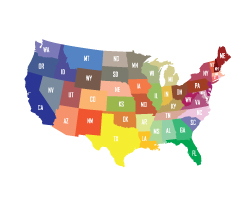
What is the look back period for DWI varies substantially across jurisdictions. Most states use 5, 7, 10, or 15-year lookback periods, though some maintain lifetime counting systems where all prior drunk driving convictions permanently count toward future offense classification regardless of how much time has passed.
Common state lookback periods include:
- 5-year lookback: Some jurisdictions use relatively short windows, meaning convictions older than five years don’t enhance current charges
- 7-year lookback: Several states apply seven-year periods for determining repeat offense status
- 10-year lookback: This represents the most common timeframe across multiple jurisdictions
- 15-year lookback: Some states extend lookback periods to 15 years for impaired driving offenses
- Lifetime lookback: Certain jurisdictions count all prior DWI convictions permanently regardless of age
The Centers for Disease Control and Prevention (CDC) reports that states with longer lookback periods demonstrate lower recidivism rates, though this correlation involves multiple factors beyond lookback length alone. Your attorney must know your state’s specific lookback period and accurately identify which prior convictions fall within the relevant window.
How Lookback Periods Calculate: Starting and Ending Points
Understanding what is the look back period for DWI requires knowing calculation methods. Most states measure lookback periods from your current arrest date backward to previous conviction dates—not arrest dates. This distinction matters significantly since months or years may separate arrest and conviction. If you were arrested for DWI on January 1, 2020, but convicted on June 1, 2020, most jurisdictions count from the June 2020 conviction date.
Department of Motor Vehicles (DMV) administrative lookback periods sometimes differ from criminal court lookback periods. Your driving record may reflect different offense counting than criminal proceedings use. For example, DMV may maintain 10-year records while criminal courts apply 15-year lookback periods. These parallel systems create complexity requiring experienced legal guidance to navigate effectively.
Enhanced Penalties Within the Lookback Period
What is the look back period for DWI matters because prior convictions within the window trigger substantial penalty increases. Second-offense DWI charges typically carry:
- Increased fines compared to first offenses
- Potential mandatory minimum custody requirements under certain statutes
- Longer license suspension periods compared to first offenses
- Mandatory ignition interlock device installation for 1-3 years
- Required intensive alcohol treatment programs exceeding first-offense education requirements
Third and subsequent offenses within lookback periods may be classified more seriously under some statutes and can involve higher-level charges, longer periods of incarceration, extended license consequences, or other statutory penalties depending on jurisdiction. Understanding whether prior convictions fall within the lookback period helps determine how a charge may be classified under applicable statutes.
Strategic Lookback Considerations: Defense Implications
What is the look back period for DWI creates strategic defense considerations. When prior convictions barely fall outside lookback windows, timing becomes critical. In some situations, timing considerations may affect how prior offenses are evaluated under applicable lookback periods, though such considerations depend on procedural rules and case-specific factors.
Additionally, out-of-state convictions create jurisdictional questions about whether prior drunk driving offenses from other states count within current state lookback periods. Interstate compacts and information sharing systems generally allow consideration of out-of-state priors, though specific state laws vary regarding which offenses qualify and how they’re counted.
Lookback Period Summary: Understanding Your Offense Classification
The answer to what is the look back period for DWI depends entirely on your state’s laws, typically ranging from 5-15 years or lifetime for determining repeat offense status. Prior convictions within these windows trigger enhanced penalties substantially exceeding first-offense consequences. Accurate lookback period calculation proves essential for proper charge classification, appropriate penalty assessment, and effective defense strategy development when facing current drunk driving charges.
Get Legal Help: Expert DWI Lookback Analysis
Lookback period calculations require legal expertise to determine proper offense classification. If you’re facing drunk driving charges, You may wish to speak with a licensed defense attorney to discuss how lookback periods are applied and whether prior offenses are being evaluated correctly.
Are you a DWI defense attorney? “Join our network to connect with individuals seeking information about legal representation.
Frequently Asked Questions
1. Does the lookback period apply to out-of-state DWI convictions?
Yes, most states count out-of-state drunk driving convictions within their lookback periods through interstate compact agreements, though specific inclusion rules vary by jurisdiction and may require court interpretation regarding comparable offenses.
2. What happens if a prior DWI falls outside the lookback period?
Prior convictions outside the lookback period typically don’t enhance current charges, meaning you’d face first-offense penalties even with older convictions on your record, though some jurisdictions maintain lifetime lookback systems.
3. Can expunged DWI convictions still count within lookback periods?
Expungement effects on lookback counting vary by state—some jurisdictions exclude expunged convictions from repeat offense calculations while others allow prosecutors to access and count sealed records for enhancement purposes despite public record removal.
4. Is the lookback period different for felony vs misdemeanor DWI?
Some states apply different lookback periods for felony versus misdemeanor offenses, with felony convictions sometimes counted permanently while misdemeanors fall under time-limited windows, creating tiered offense classification systems.
5. How do I know if my prior DWI falls within the lookback period?
Calculate from your current arrest or offense date backward to your prior conviction date—not arrest date in most states—though variations exist requiring attorney review of specific state statutes and case timing.
Key Takeaways
- What is the look back period for DWI typically ranges from 5-15 years in most states, though some jurisdictions maintain lifetime lookback systems counting all prior drunk driving convictions permanently toward repeat offense classification.
- Lookback periods calculate from current arrest dates backward to prior conviction dates in most jurisdictions, with prior offenses within the window triggering substantially enhanced penalties including doubled fines and mandatory jail time.
- Second-offense DWI charges within lookback periods typically carry mandatory minimum jail sentences, extended license suspensions of 1-3 years, required ignition interlock devices, and intensive alcohol treatment exceeding first-offense requirements.
- Out-of-state DWI convictions generally count within current state lookback periods through interstate information sharing, though specific inclusion rules and comparable offense determinations vary by jurisdiction requiring legal analysis.
- Defense attorneys challenge improper lookback calculations when prosecutors incorrectly count convictions falling outside statutory windows, potentially reducing charges from repeat offenses to first offenses with dramatically decreased penalties.