Legal Process Overview: How Does an Ignition Interlock Device Work
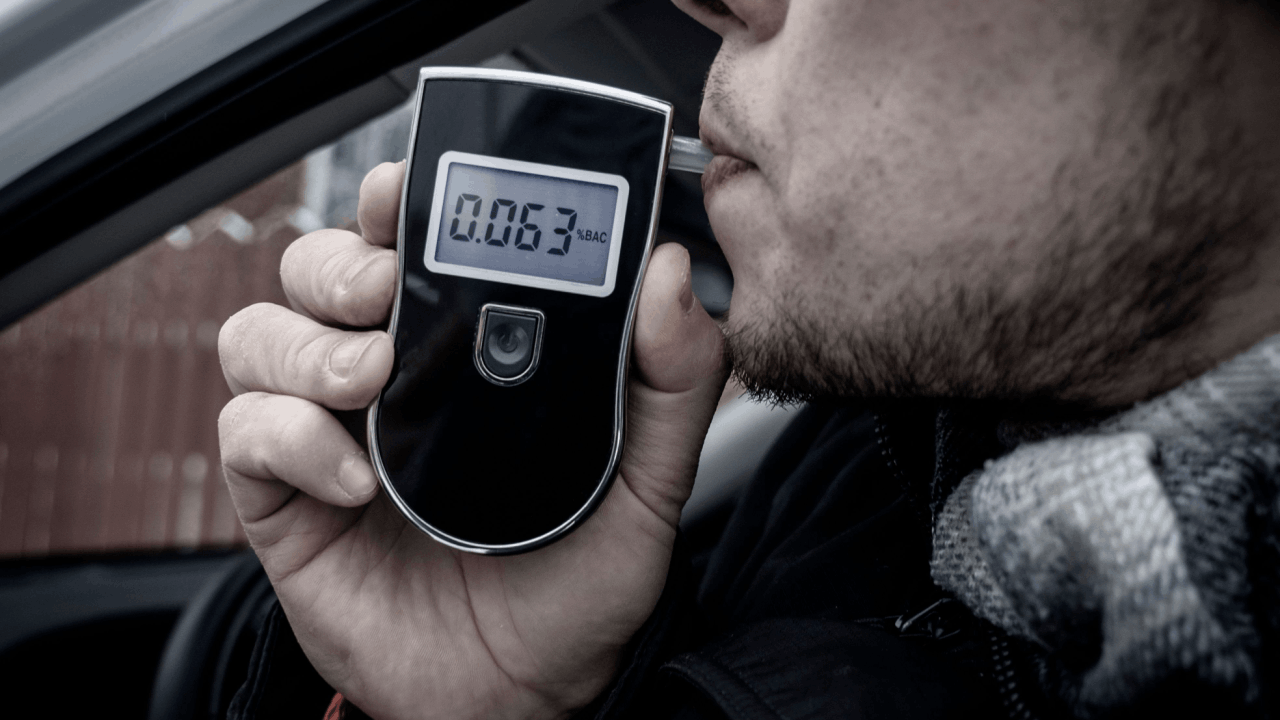
An ignition interlock device functions as a vehicle-installed breathalyzer that requires the driver to provide an alcohol-free breath sample before the engine will start. For individuals facing DUI or DWI charges, understanding how these devices operate can be essential, as many states mandate IID installation as a condition of license reinstatement or restricted driving privileges.
The technology behind ignition interlock devices uses electrochemical sensors that detect alcohol molecules in exhaled breath. When a driver attempts to start the vehicle, they must blow into the handheld unit with sufficient force and duration. The device analyzes the breath sample and, if the blood alcohol concentration (BAC) registers below the programmed threshold—typically 0.02 to 0.04—the vehicle’s ignition system engages. If alcohol is detected above the limit, the engine remains disabled.
DUI Terms Explained: Ignition Interlock Testing Technology
The electrochemical fuel cell within an ignition interlock device represents the core technology that measures breath alcohol content. When a driver exhales into the device, the breath sample passes through a chamber containing a chemical solution. Alcohol molecules in the breath undergo an oxidation reaction that generates an electrical current. The device measures this current to calculate the BAC level with precision comparable to law enforcement breathalyzer equipment.
Modern IID units incorporate anti-circumvention features designed to ensure the registered driver provides the breath sample. These may include humming tones that verify continuous airflow, randomized blow patterns, and camera systems that photograph the person giving the sample. According to research published by the Insurance Institute for Highway Safety, these security measures help prevent unauthorized users from bypassing the system.
Key Considerations: Installation and Maintenance Requirements
Installing an ignition interlock device involves professional service by state-certified providers who integrate the system with the vehicle’s electrical and ignition components. The installation process typically requires two to three hours and connects the handheld breath testing unit to the vehicle’s starter system through wiring that interfaces with the ignition mechanism.
State regulations generally mandate that only approved IID providers perform installation, calibration, and removal services. The device requires regular calibration appointments—usually every thirty to sixty days—to ensure measurement accuracy and download recorded data to monitoring authorities. Missing these appointments can constitute a violation of court orders or administrative license requirements.
Common DUI Issues: Legal Obligations and Compliance Requirements
How does an ignition interlock device work within the legal framework of DUI penalties? Courts or administrative agencies may order IID installation as a condition of restricted driving privileges, probation, or license reinstatement following a drunk driving conviction. The specific duration of required use can vary based on factors including prior offenses, BAC level at the time of arrest, and whether the incident involved aggravating circumstances.
Some jurisdictions distinguish between different types of IID programs. Mandatory installation may apply to all convicted DUI offenders, while voluntary participation might allow earlier license reinstatement in exchange for IID use. According to the National Conference of State Legislatures, laws governing ignition interlock devices vary significantly by state, affecting who must install devices, for how long, and under what circumstances.
Legal Understanding: How Does an Ignition Interlock Device Work in Your Case
The application of ignition interlock requirements depends on individual case facts, the jurisdiction where charges were filed, and the specific terms of any court orders or administrative determinations. A licensed DUI attorney can explain how state law applies to ignition interlock obligations, whether alternative options may exist, and how to ensure compliance with installation and monitoring requirements.
Understanding the technology, legal requirements, and compliance expectations surrounding ignition interlock devices represents an important step for anyone facing impaired driving charges or navigating license restoration procedures. The specific impact on driving privileges and daily life can vary significantly based on personal circumstances and applicable law.
Informed Legal Decisions: Ignition Interlock Device Information
Those navigating DUI charges or facing ignition interlock requirements may wish to consult with a licensed attorney who can explain how state laws and court orders apply to their specific situation. Legal professionals can clarify ignition interlock device installation requirements, discuss compliance strategies, and help individuals understand their obligations under applicable law.
To learn more about how ignition interlock technology may affect your case, individuals may wish to consult with a licensed attorney to discuss how state law applies to their situation. Reviewing your legal rights and obligations can help you better understand the requirements associated with impaired driving charges.
Frequently Asked Questions
1. What happens if I fail an ignition interlock breath test?
If the device detects alcohol above the preset limit, the vehicle will not start. The failed test is recorded in the device’s data log and reported to monitoring authorities, which may result in legal consequences depending on probation or license terms.
2. Can someone else start my car if I have an ignition interlock device?
While another person could technically provide a breath sample to start the vehicle, this constitutes a violation of court orders or license conditions.
3. How often must I calibrate my ignition interlock device?
Calibration requirements typically range from every thirty to sixty days, depending on state regulations and device manufacturer specifications.
4. Will foods or mouthwash cause false readings on an ignition interlock?
Products containing alcohol, such as mouthwash or certain foods, can temporarily affect readings. The device usually allows waiting a few minutes and retesting if an unexpected reading occurs.
5. Can I remove the ignition interlock device myself?
No. Only state-certified providers can legally install, maintain, or remove ignition interlock devices.
Key Takeaways
- Ignition interlock devices use electrochemical fuel cell technology to measure blood alcohol concentration in breath samples before allowing vehicle ignition.
- The devices require rolling retests at random intervals while driving and maintain detailed electronic logs of all tests, violations, and tampering attempts.
- Installation, calibration, and monitoring costs are the driver’s responsibility, with required monthly or bimonthly service appointments to maintain compliance.
- Violating ignition interlock requirements—through failed tests, missed appointments, or unauthorized removal—can result in extended license suspension or additional legal penalties.
- The specific legal obligations surrounding IID use depend on individual case facts, state law, and court or administrative orders, making consultation with a DUI attorney advisable for understanding applicable requirements.