DUI Terms Explained: What Does an Interlock Device Detect
What does an interlock device detect, and why does it matter for drivers facing DUI-related license restrictions? An ignition interlock device (IID) is a breath-testing mechanism connected to a vehicle’s ignition system. Understanding what these devices monitor can help individuals navigate DUI penalties and license reinstatement requirements.
When courts or the DMV require an interlock device, drivers often have questions about how the technology works. These devices serve as both a monitoring tool and a condition of restricted driving privileges following drunk driving violations. The detection capabilities extend beyond simple breath alcohol measurement, encompassing multiple safety and compliance features.
Legal Process Overview: Breath Alcohol Detection and BAC Thresholds
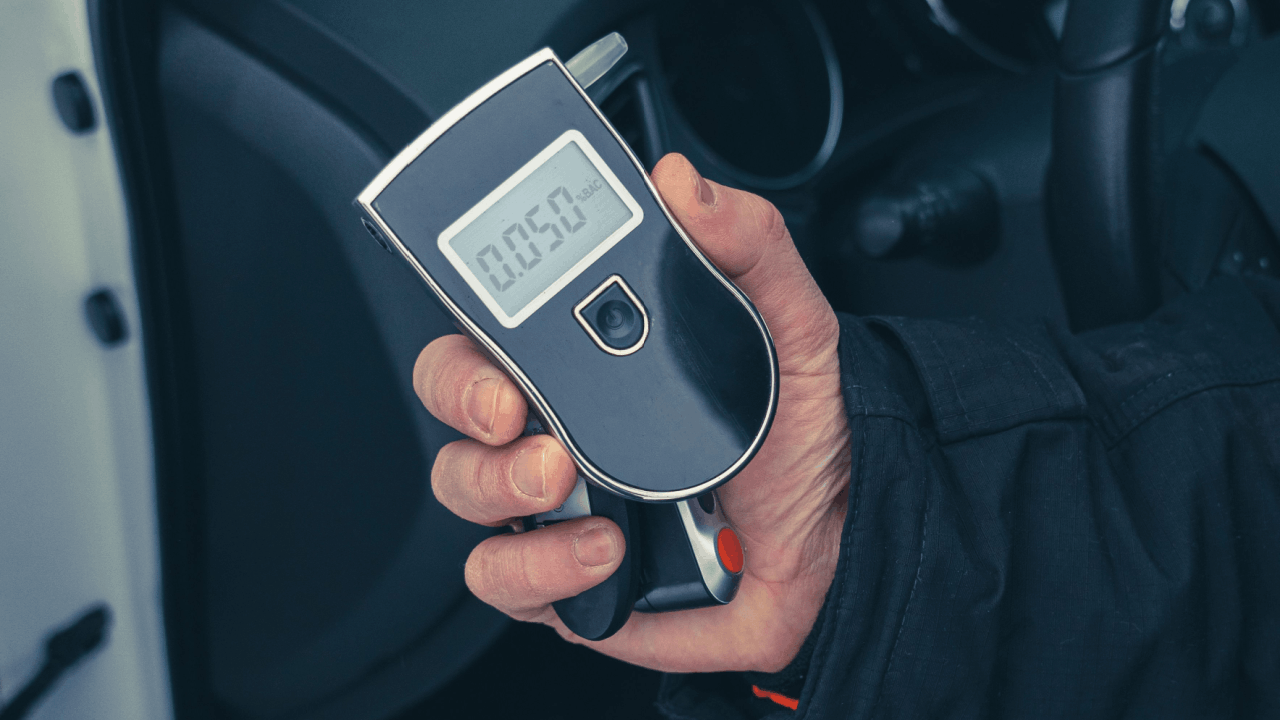
The primary function of an interlock device centers on breath alcohol concentration. When a driver provides a breath sample, the device analyzes the air for ethanol molecules. Most jurisdictions set the detection threshold at 0.02 BAC, though specific limits can vary based on state law and court orders.
The device requires a breath sample before the vehicle starts. If alcohol is detected above the programmed threshold, the ignition remains locked. Modern interlock systems use fuel cell technology similar to law enforcement breathalyzers, providing accurate BAC readings within seconds.
Rolling retests add another layer of detection. After the vehicle starts, the device randomly prompts additional breath samples during operation. This prevents someone else from providing the initial sample while an impaired driver operates the vehicle. The retest interval typically occurs every 5 to 30 minutes, depending on state requirements and device programming.
Key Considerations: Tampering Detection and Circumvention Prevention
Beyond measuring what an interlock device detects regarding breath alcohol, these systems monitor attempts to bypass or manipulate the equipment. Tampering detection capabilities have evolved significantly as device technology has advanced.
The devices also detect physical tampering. Any attempt to disconnect, damage, or modify the unit triggers an immediate violation report. Some systems include GPS tracking, recording the vehicle’s location during failed tests or tampering attempts. Monitoring agencies receive detailed reports showing when and where violations occurred.
Circumvention methods like using compressed air, having another person blow into the device, or attempting to fool the sensor with substances other than human breath can be detected. Advanced interlock devices require specific breath patterns—sustained blowing with proper volume and duration—that compressed air or other methods cannot replicate.
Common DUI Issues: Violation Recording and Reporting Systems
Understanding what an interlock device detects includes knowing how violation data is stored and transmitted. Every breath test, whether passed or failed, is recorded with a timestamp in the device’s internal memory.
Monthly monitoring reports compile all recorded data: successful starts, failed attempts, BAC readings, rolling retest results, and any tampering indicators. Service providers download this information during required calibration appointments and forward reports to designated monitoring authorities—typically the DMV, court, or probation department.
According to the National Highway Traffic Safety Administration, interlock devices maintain detailed logs that include date, time, BAC level for each test, and device status information. This comprehensive reporting helps authorities verify compliance with court-ordered or administrative license restrictions.
Moving Forward: Understanding Your Interlock Requirements
What does an interlock device detect in your specific situation? The answer may depend on the specific facts of the case, state requirements, and any court orders issued. Interlock device capabilities extend beyond simple breath testing to encompass comprehensive monitoring of driving behavior and compliance.
Drivers subject to interlock requirements face obligations that include regular calibration appointments, responding to rolling retests, and avoiding any attempts to circumvent the system. Understanding these detection and reporting functions helps individuals maintain compliance during restricted driving periods.
Get Expert Information: Interlock Device Questions
Individuals with questions about what an interlock device detects may wish to speak with a licensed DUI attorney to discuss how DUI laws may apply to their situation. An attorney can provide information about ignition interlock devices and compliance requirements based on the specific facts of a case.
To learn more about DUI defense resources, individuals may request additional information to explore their circumstances and understand available legal options.
Frequently Asked Questions
1. What BAC level triggers an interlock device lockout?
Most interlock devices are programmed to prevent ignition when breath alcohol exceeds 0.02 BAC, though the specific threshold can vary based on state law and court orders.
2. Can an interlock device detect if someone else provides the breath sample?
Modern interlock systems with camera features photograph each breath sample provider, creating a visual record to verify the authorized driver is being tested.
3. What happens if I miss a rolling retest while driving?
Failing to provide a breath sample during a required rolling retest is recorded as a violation and reported to monitoring authorities, potentially resulting in additional penalties.
4. How often must I bring my vehicle for interlock calibration?
Calibration intervals vary by state but typically occur every 30 to 60 days. Missing these appointments triggers violations regardless of test results.
5. Are tampering attempts detectable by the interlock system?
Yes, interlock devices monitor for physical tampering, disconnection, and circumvention attempts, logging these activities as violations in the monitoring report.
Key Takeaways
- Interlock devices detect breath alcohol levels above programmed thresholds, typically 0.02 BAC, and prevent vehicle ignition when alcohol is present.
- Advanced systems detect tampering, circumvention attempts, and use cameras to verify that the authorized driver provides each breath sample.
- Rolling retests occur randomly during driving to prevent unauthorized persons from starting the vehicle for an impaired driver.
- All tests, violations, and device interactions are recorded with timestamps and reported to monitoring authorities during calibration appointments.
- Compliance requirements, including test responses, service appointments, and avoiding tampering, may vary based on state law and individual court orders.