Understanding Ignition Interlock Devices: How to Start a Car with an Interlock Device
Learning how to start a car with an interlock device begins with understanding what the equipment does and why it may be required. An ignition interlock device is a breath alcohol testing instrument installed in a vehicle’s dashboard that prevents the engine from starting if alcohol is detected above a pre-set limit. Most jurisdictions require IID installation as a condition of restricted driving privileges following DUI or DWI arrests. The device connects directly to the ignition system and requires a breath sample before each attempt to start the vehicle. Understanding the startup process can help drivers meet their legal obligations and maintain compliance with court orders.
Legal Process Overview: Pre-Start Requirements for Interlock Devices
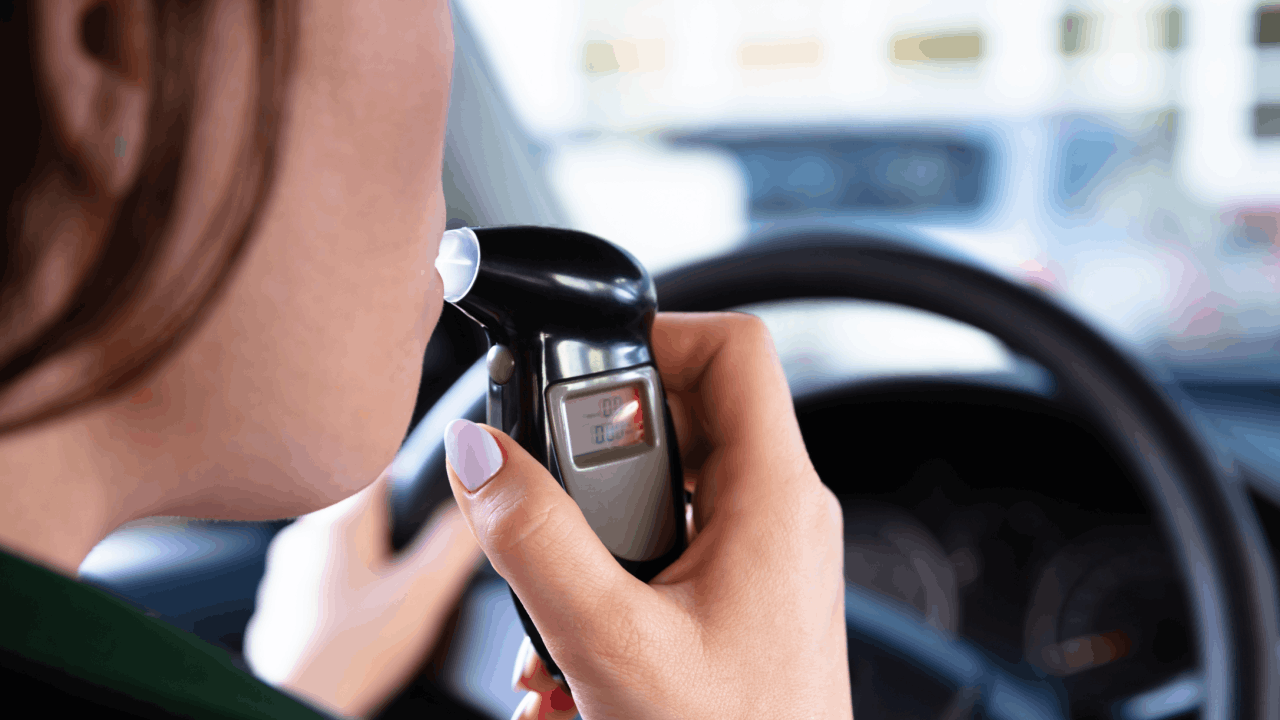
Before learning how to start a car with an interlock device, drivers must understand the pre-start testing requirements mandated by most state DUI laws. The device requires the driver to provide a breath sample into a handheld unit attached to the dashboard. The IID analyzes the breath sample for blood alcohol content and compares it against a programmed threshold, typically set between 0.02 and 0.04 BAC depending on jurisdiction. If the breath sample registers below the programmed limit, the device sends a signal allowing the ignition to engage. If alcohol is detected above the threshold, the vehicle will not start, and the failed attempt is recorded in the device’s internal memory. According to the Insurance Institute for Highway Safety, IID devices also require periodic “rolling retests” while the vehicle is in operation to ensure continued sobriety.
The pre-start process typically involves these steps: turning the vehicle to the accessory position, waiting for the device’s ready signal, providing a steady breath sample for several seconds, and waiting for the device to analyze and display results. Drivers should avoid using mouthwash, breath spray, or consuming food immediately before testing, as these products may contain alcohol and cause false readings. The device records all test attempts, including passes, fails, and missed rolling retests.
Common DUI Issues: Troubleshooting Interlock Device Startup Problems
Knowing how to start a car with an interlock device includes understanding common startup issues and proper troubleshooting steps. Temperature extremes can affect device sensitivity, with cold weather potentially causing delayed readings or requiring warm-up time. Drivers experiencing startup difficulties should first ensure they are providing a strong, steady breath sample for the full duration required by the device, typically between three to six seconds. Weak or interrupted breath samples are among the most common reasons for failed startup attempts that are not alcohol-related.
Battery drain is another consideration, as IID units draw minimal power from the vehicle battery even when the car is off. Vehicles that sit unused for extended periods may experience battery depletion. Drivers should also be aware that certain medications, health conditions, or dietary factors can potentially affect breath test results. If the device malfunctions or displays error codes, drivers are typically required to contact their IID service provider immediately and document the issue. Most state IID programs require regular calibration appointments, usually every 30 to 60 days, where technicians verify device accuracy and download recorded data.
Moving Forward Safely: Understanding Your IID Requirements
Understanding how to start a car with an interlock device is one component of maintaining compliance with DUI-related driving restrictions. The installation, maintenance, and proper use of an IID represent legal obligations that drivers must fulfill according to court orders or administrative license suspension terms. Violating IID requirements, such as attempting to tamper with the device, having someone else provide breath samples, or failing to complete rolling retests, can result in extended restriction periods, additional criminal charges, or complete license revocation. Each state has specific laws governing IID programs, including who must install devices, how long they must remain installed, and what violations may occur. Drivers should understand that IID data creates a permanent record of all testing attempts and vehicle usage during the restriction period.
Get Informed Today: Interlock Device Legal Guidance
If you need information about how to start a car with an interlock device or have questions about IID requirements following DUI charges, you may wish to speak with a licensed DUI attorney to discuss how the law may apply to your specific situation. Reviewing your ignition interlock device obligations and available legal options may help you better understand your responsibilities.
Frequently Asked Questions
1. Do I need special training to start a car with an interlock device?
Most IID providers offer brief instruction during installation, explaining the breath sample technique and device operation. The process is designed to be straightforward for daily use.
2. Can someone else start my car with an interlock device?
Having another person provide breath samples to start your vehicle is illegal in all states and constitutes tampering with an IID, which can result in serious legal consequences.
3. What happens if I fail the breath test when starting my car?
A failed breath test prevents the vehicle from starting and is recorded by the device. Multiple failed attempts may trigger violation reports to monitoring authorities depending on state law.
4. How long does it take to start a car with an interlock device?
The breath testing process typically adds 30 to 60 seconds to normal vehicle startup time, including the time needed for the device to analyze the breath sample.
5. Will an interlock device drain my car battery?
IID units draw minimal power, but vehicles left unused for extended periods may experience battery drain. Most manufacturers recommend starting the vehicle at least once every few days.
Key Takeaways
- How to start a car with an interlock device requires providing a breath sample below the programmed alcohol threshold before the ignition will engage.
- IID devices record all test attempts, including passes, fails, and missed rolling retests, creating a permanent compliance record.
- Temperature, medications, and certain food products can affect breath test readings, making it important to understand proper testing procedures.
- Violating IID requirements, including tampering or missed calibration appointments, can result in extended restrictions or additional charges.
- State laws vary regarding IID installation requirements, program duration, and violation consequences following DUI arrests.