Understanding DUI Restrictions: Does the Interlock Device Record Data?
Does the interlock device record data when installed in your vehicle? This question concerns many drivers facing DUI charges or license suspension who must install an ignition interlock device as part of their restricted driving privileges. Understanding what information these monitoring systems collect can help drivers navigate compliance requirements and avoid potential violations.
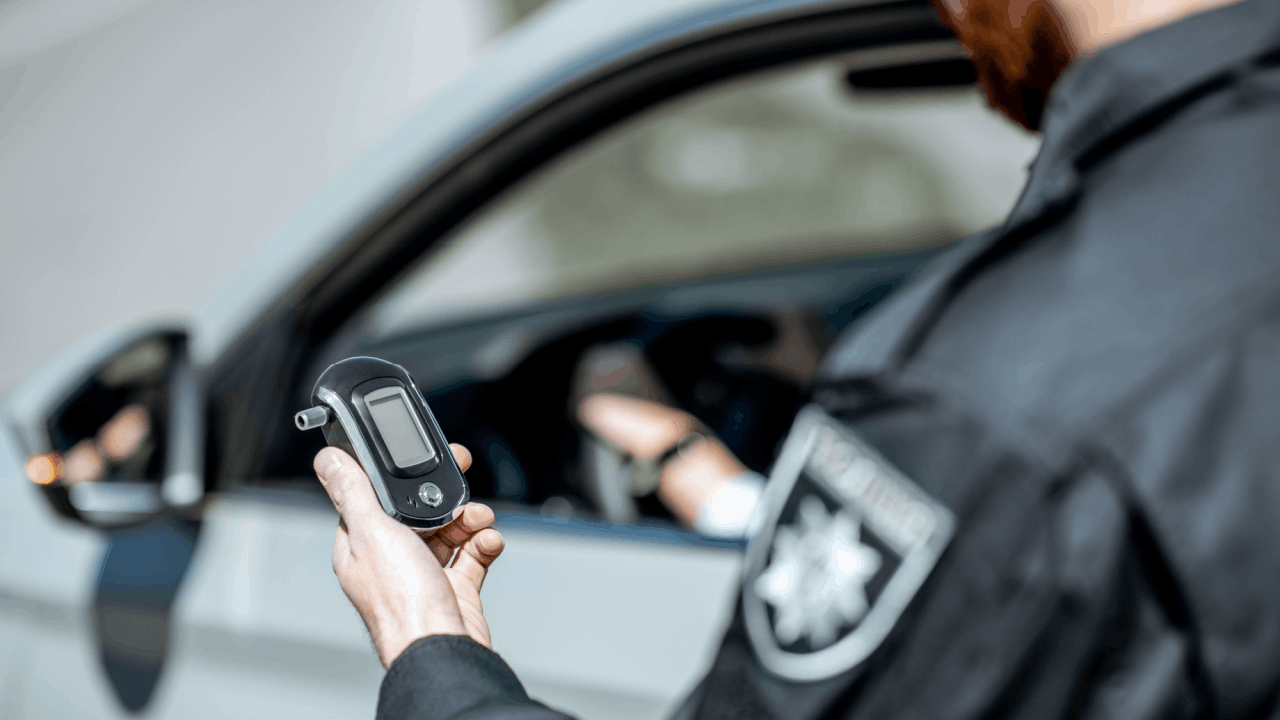
Ignition interlock devices function as breath-testing mechanisms that prevent vehicle operation if alcohol is detected. However, their role extends beyond simple testing. These devices serve as comprehensive monitoring tools that track driver behavior, test results, and potential tampering attempts throughout the restriction period.
The data collection capabilities of interlock devices may affect license reinstatement, probation compliance, and criminal proceedings. Drivers required to install these systems should understand what information gets recorded, how agencies access this data, and what legal implications arise from the recorded information.
DUI Terms Explained: What Data Does the Interlock Device Record?
Interlock devices record extensive information about every interaction with the vehicle and testing system. The primary data categories include breath test results showing blood alcohol concentration readings, timestamps for each test attempt, and vehicle operation details such as engine start times and driving duration.
According to the Insurance Institute for Highway Safety, modern interlock systems also log failed test attempts, missed rolling retests during driving, and any circumvention efforts. The devices photograph drivers during breath tests in many jurisdictions, creating visual records of who provided each sample. GPS location data tracking where tests occurred, and vehicle routes may also be collected, depending on state requirements and device specifications.
Violation events receive particular attention in data logs. These include failed breath tests exceeding the preset BAC threshold, skipped rolling retests while the vehicle is in motion, and disconnection or tampering alerts. The devices timestamp every event, creating a chronological record that monitoring authorities can review. Some advanced systems record environmental factors such as temperature fluctuations that might affect device accuracy.
Legal Process Overview: How Interlock Data Gets Used in DUI Cases
Courts, probation departments, and driver licensing agencies regularly access interlock device data to verify compliance with drunk driving restrictions. Service providers download recorded information during mandatory calibration appointments, typically required monthly or bimonthly, depending on jurisdiction requirements.
Monitoring reports generated from this data get submitted to supervising authorities, who review them for violations. A single failed test or missed rolling retest may result in consequences including extended restriction periods, probation violations, or license suspension, depending on applicable law and court orders.
The specific penalties depend on state law, court orders, and the nature of recorded violations.
Defense attorneys may also examine interlock data when representing clients in violation hearings or license reinstatement proceedings. The recorded information can sometimes reveal device malfunctions, environmental interference, or procedural issues that explain apparent violations. However, data showing consistent failed tests or tampering attempts may create significant challenges for drivers seeking to restore full driving privileges.
Prosecutors may introduce interlock violation data in criminal proceedings if new DUI charges arise during the restriction period. The comprehensive nature of recorded information means drivers cannot easily dispute what the device logged. Courts may consider this data as evidence of driver behavior and compliance status, subject to applicable rules of evidence and case-specific circumstances.
Key Considerations: Does the Interlock Device Record Data That Affects Your Case?
Understanding interlock data collection matters because recorded information may affect legal proceedings and driving privileges, depending on the specific circumstances. Drivers should recognize that every breath test, whether passed or failed, becomes part of their permanent monitoring record that authorities can review at any time.
The devices cannot distinguish between intentional violations and innocent mistakes. Using mouthwash containing alcohol, eating certain foods, or experiencing device sensitivity issues may trigger failed readings that get recorded as violations. These events appear in data logs alongside deliberate attempts to operate vehicles while impaired, creating potential compliance problems that drivers must address through formal violation processes.
Moving Forward Safely: Does the Interlock Device Record Data You Should Monitor?
Does the interlock device record data that affects your legal situation? Understanding the comprehensive monitoring capabilities of these systems helps drivers maintain compliance and avoid additional penalties. The devices track every aspect of vehicle operation and breath testing, creating detailed records that licensing agencies and courts rely on when making decisions about driving privileges.
Drivers subject to interlock requirements should treat every interaction with their device as legally significant. Failed tests, missed retests, and tampering attempts generate records that may extend restriction periods or lead to additional legal consequences, depending on jurisdiction and case details. While the monitoring may feel invasive, these systems exist to verify that drivers convicted of impaired driving violations comply with safety restrictions designed to protect public welfare.
Get Professional Guidance: Does the Interlock Device Record Data Affecting Your License?
Drivers facing DUI charges or already managing interlock requirements may wish to speak with a licensed DUI attorney to discuss how device monitoring may apply to their situation. Legal professionals can explain jurisdiction-specific rules about ignition interlock devices, data reporting, and violation procedures.
Understanding your legal options and compliance obligations helps prevent additional problems during the restriction period. Attorneys familiar with impaired driving laws can review your monitoring reports, identify potential issues, and advise on maintaining full compliance. You may visit our DUI consultation page to learn more about available legal resources.
Frequently Asked Questions
1. Does the interlock device record data when the car is parked?
Yes, interlock devices continue monitoring and recording even when the vehicle is not in operation, logging any attempted engine starts and test results.
2. Can the interlock data show who was driving the vehicle?
Many devices include camera systems that photograph the person providing breath samples, though identification depends on image quality and state requirements.
3. How long does the interlock device store recorded data?
Devices typically store data until the next service appointment when information gets downloaded, usually every 30 to 60 days, depending on state rules.
4. Does the interlock device record GPS location data?
Some advanced interlock systems include GPS tracking that records where tests occurred and vehicle routes, though this varies by jurisdiction and device model.
5. Can you delete or change interlock device data?
No, interlock data cannot be deleted or modified by drivers, and tampering attempts generate additional violations that get reported to monitoring authorities.
Key Takeaways
- Ignition interlock devices record comprehensive data, including breath test results, timestamps, failed attempts, and potential tampering for every vehicle interaction.
- Monitoring authorities regularly review downloaded interlock data to verify compliance with DUI-related driving restrictions and court orders.
- Failed breath tests, missed rolling retests, and circumvention attempts all generate permanent violation records that may extend restriction periods or trigger new penalties.
- Modern interlock systems often include cameras and GPS tracking that create visual and location records alongside breath test data.
- Drivers subject to interlock requirements may wish to consult licensed DUI attorneys to understand jurisdiction-specific monitoring rules and maintain full compliance.