Understanding How It Works: Does the Interlock Camera Always Record?
Does the interlock camera always record when your ignition interlock device is active? Many drivers facing DUI charges or license reinstatement requirements have questions about camera-equipped interlock systems and their recording functions. The technology behind these devices has evolved significantly to help courts and monitoring agencies verify compliance with drunk driving penalties.
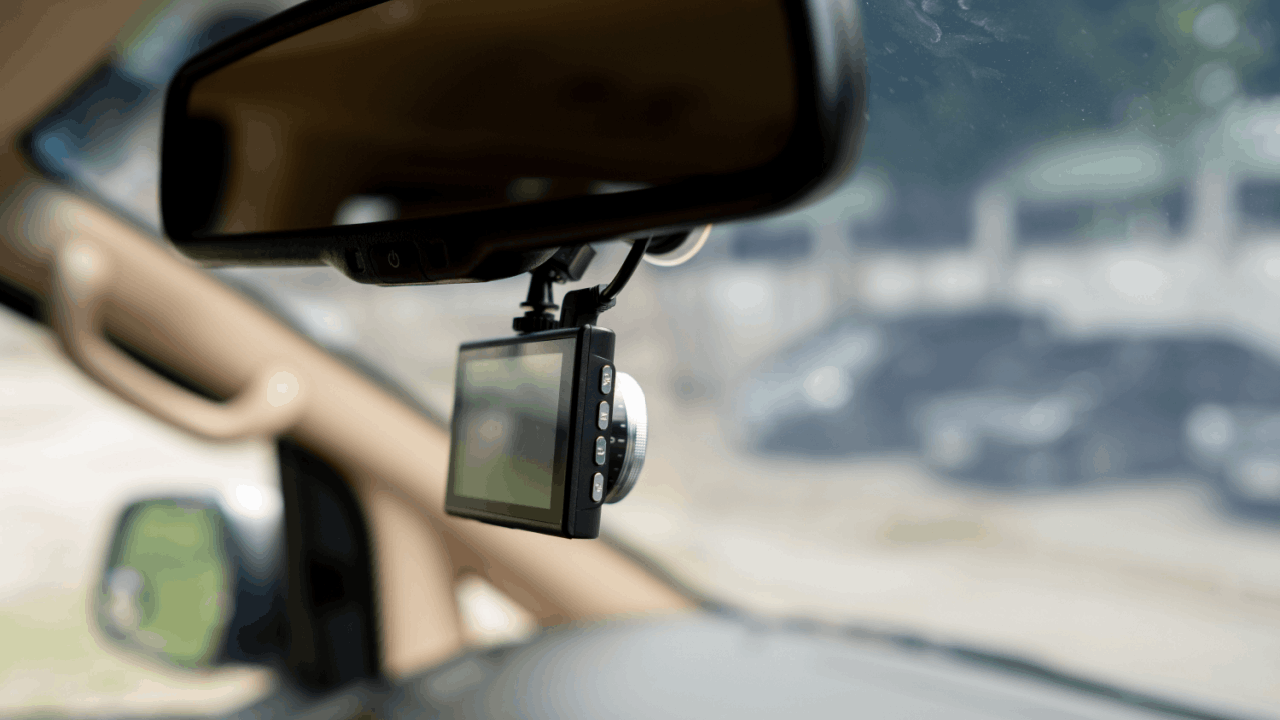
Interlock cameras serve a specific legal purpose within the broader framework of DUI laws. These systems combine breath alcohol testing with visual documentation to confirm that the enrolled driver is providing each breath sample. Understanding when and how these cameras activate can help you comply with court-ordered requirements and avoid potential violations that could extend your restricted driving period or result in additional legal consequences.
When Interlock Device Cameras Activate and Capture Images
Interlock cameras do not maintain continuous recording during vehicle operation. Instead, these systems activate during specific testing events to capture verification images. The camera typically records when you provide your initial startup breath test, during rolling retests while driving, and if the device detects a test violation or failed attempt.
Each time you blow into the ignition interlock device, the camera captures one or more images to document who is providing the breath sample. According to device manufacturer specifications, most systems take multiple photos during each breath test sequence to ensure clear identification. The images are time-stamped and stored within the device’s internal memory along with the corresponding BAC reading.
Data Storage and Privacy Considerations for Interlock Recordings
Ignition interlock devices equipped with cameras store captured images in an encrypted digital format within the device’s secure memory system. The data retention period varies by jurisdiction and monitoring program requirements, but devices typically hold information for multiple service intervals to ensure complete compliance documentation.
The images captured by interlock cameras are considered part of your legal monitoring record and may be reviewed by probation officers, licensing authorities, or the court that ordered your interlock installation. Under most state DUI laws, this data is not classified as private personal information because it serves a regulatory compliance function related to your driving privileges.
Service providers maintain data security protocols to protect stored images from unauthorized access, but the information can be subpoenaed or requested through legal processes. Some states have specific regulations governing how long interlock data must be retained and who may access the images. California Vehicle Code Section 13386, for example, establishes parameters for interlock program administration and data handling.
Making Informed Decisions: Does the Interlock Camera Always Record Compliance?
Understanding that interlock cameras activate during testing events rather than recording continuously can help you maintain proper compliance with your court-ordered requirements. The camera system is designed to verify that you, as the enrolled driver, are providing each breath sample rather than having someone else blow into the device.
Field sobriety tests and chemical testing evidence often lead to license suspensions that require ignition interlock installation as a condition of restricted driving privileges. The camera component addresses a specific concern within drunk driving enforcement: ensuring that the required person is actually using the device.
Next Legal Steps: Does the Interlock Camera Always Record Your Options?
Does the interlock camera always record in a way that affects your DUI case or license restoration? Understanding how this technology functions is part of navigating the court process and administrative requirements following a drunk driving charge. The interlock system creates a documented record that courts and licensing agencies use to evaluate your compliance with imposed restrictions.
If you are facing DUI charges, have received a license suspension notice, or are required to install an ignition interlock device, the specific legal obligations and monitoring requirements can vary based on state law and the circumstances of your case.
Explore Your Path: Does the Interlock Camera Always Record Information You Need?
If you need guidance on ignition interlock requirements, camera recording functions, or how to navigate DUI-related license restrictions, speaking with a qualified legal professional may help you understand the options available in your situation. Every case involves unique circumstances that can vary based on state law and evidence.
Those who may wish to speak with a licensed DUI attorney to discuss how DUI laws may apply to their situation can access educational resources through ignition interlock devices information or connect with experienced DUI attorneys to learn more about available legal options.
Frequently Asked Questions
1. Do interlock cameras record video or just photographs?
Most ignition interlock devices capture still photographs rather than continuous video during breath test events. The images document who is providing each breath sample.
2. Can I cover the interlock camera when not actively testing?
Tampering with or obstructing the interlock camera may be considered a violation of your court-ordered requirements and could result in additional legal consequences.
3. How long does the interlock device store camera images?
Storage duration varies by device model and state requirements, but most systems retain images until the next required service appointment, when data is downloaded and transmitted to monitoring authorities.
4. Will the interlock camera activate if I miss a rolling retest?
Yes, most interlock systems activate the camera when a rolling retest is missed, when insufficient breath samples are provided, or when any test violation occurs.
5. Can interlock camera data be used as evidence in court?
Interlock device data, including camera images, can be reviewed by courts and may be considered in violation proceedings or license reinstatement hearings, depending on applicable state law.
Key Takeaways
- Ignition interlock cameras activate during specific testing events rather than recording continuously throughout your drive.
- Camera systems capture images when you provide startup tests, rolling retests, or if any test violation occurs, to verify driver identity.
- Stored images and test data are downloaded at service appointments and transmitted to monitoring authorities for compliance review.
- Interlock camera recordings are part of your legal monitoring record and may be accessed by courts, probation officers, or licensing agencies.
- Compliance requirements and camera data usage can vary based on state law and the specific facts of your case.