
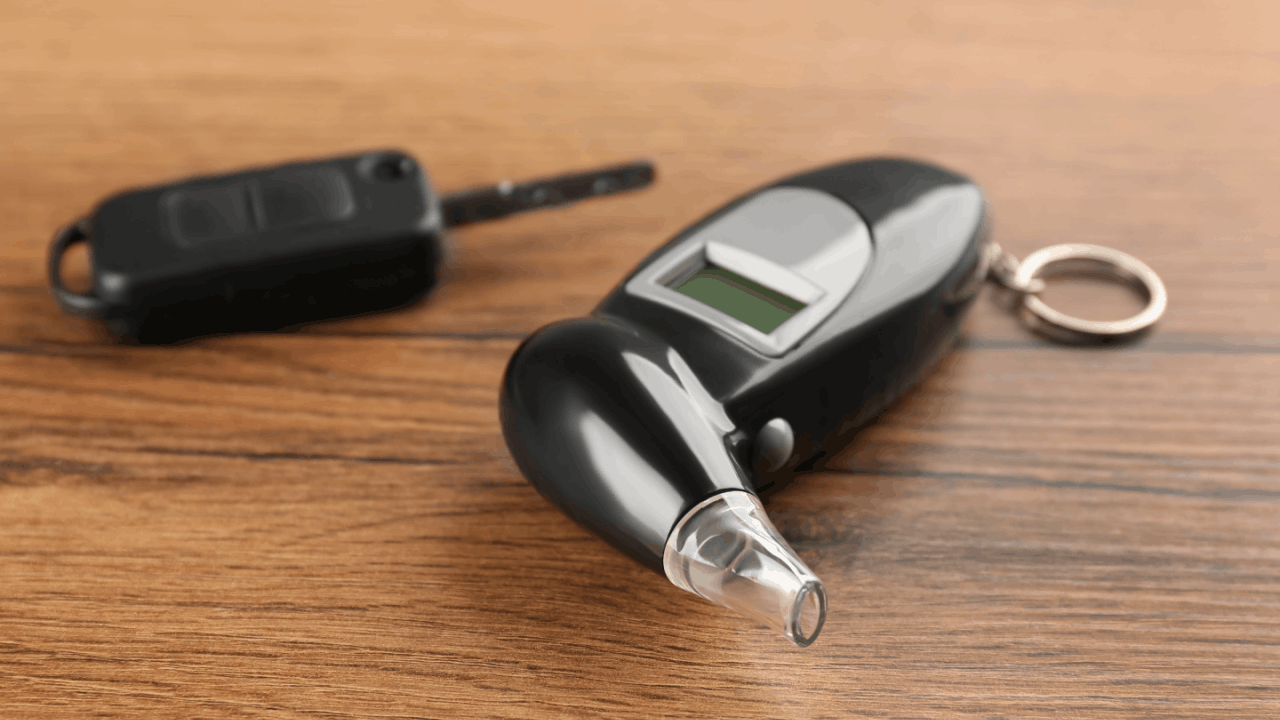
Key DUI Concepts: How Much Does an Ignition Interlock Device Cost
How much does an ignition interlock device cost when you are required to install one following a DUI arrest or license suspension? Understanding the financial obligations associated with ignition interlock requirements is important for planning and compliance. IID programs involve various fees and charges that accumulate over the required installation period, which can range from months to years depending on jurisdiction and offense circumstances.
The cost structure for ignition interlock devices includes several components beyond the device itself. Installation fees cover the initial service appointment when technicians connect the device to your vehicle’s ignition system. Monthly monitoring fees account for ongoing calibration appointments, data downloads, and reporting to courts or administrative agencies. This guide explains the various cost components associated with ignition interlock devices, factors that influence total expenses, payment structures providers use, and considerations for managing financial obligations.
1800DUILaws.com provides educational resources to help individuals understand DUI charges, license consequences, and compliance requirements. Learning about IID financial obligations helps you prepare for the practical aspects of restricted driving privileges or court-ordered monitoring programs.
Cost Components Explained: Understanding IID Fee Structures
Installation Service Fees
The initial installation appointment generates charges for technician time, equipment connection, and system setup. Technicians must properly wire the device into the vehicle’s ignition system, calibrate sensors, and test functionality. This process typically requires one to three hours of labor. Installation fees cover the service appointment and initial device configuration. Some providers include basic instruction on device operation in installation fees, while others may charge separately for extended training sessions.
Monthly Monitoring and Calibration
How much does an ignition interlock device cost on an ongoing basis? Monthly fees represent the largest recurring expense for most individuals. These charges cover regular calibration appointments required every 30 to 60 days depending on jurisdiction and provider requirements. During calibration visits, technicians verify device accuracy, download data logs, clean sensors, and check for tampering or malfunction. The monthly fee also covers reporting services where providers transmit compliance data to courts or administrative agencies as required by law.
Lease and Equipment Charges
Most IID programs operate on a lease model rather than purchase arrangements. Monthly fees typically include device lease charges in addition to service costs. The lease structure means individuals do not own the equipment and must return it upon completion of the required period. Some providers separate equipment lease fees from monitoring fees in their billing structures, while others combine these into single monthly charges.
Variable Cost Factors: What Influences IID Expenses
Installation Duration Requirements
The length of time courts or administrative agencies require IID installation directly impacts total costs. Longer installation periods generate more monthly fees through extended monitoring and calibration appointments. First-time DUI offenses may involve shorter required periods than repeat offenses in many jurisdictions. Some states mandate minimum installation periods based on BAC levels at arrest or other aggravating factors. Extended periods for multiple DUI convictions can significantly increase total financial obligations.
Multiple Vehicle Installations
Individuals who need to operate more than one vehicle face multiplied costs. Each vehicle requires separate device installation, generating additional installation fees. Monthly monitoring charges typically apply per vehicle rather than per person. Some providers offer reduced rates for second or third vehicle installations, but costs still exceed single-vehicle requirements. Work requirements or family circumstances may necessitate multiple installations despite increased expense.
Violation and Noncompliance Fees
How much does an ignition interlock device cost when violations occur? Providers may charge fees for failed breath tests recorded in device logs. Missed calibration appointments often generate makeup appointment fees or penalty charges. Tampering attempts or efforts to circumvent device operation can result in service fees for investigation and verification. These violation-related charges add to base installation and monitoring costs.
Payment Arrangements Clarified: How Individuals Pay for IID Requirements
Upfront Versus Installment Payment
Installation fees are typically due at the time of service, requiring upfront payment before technicians complete device connection. Monthly monitoring fees generally follow billing cycles with payment due before or at each calibration appointment. Some providers require payment in full for the upcoming month before performing calibration services. Others may allow payment at the appointment or shortly thereafter. Payment timing policies vary by provider and sometimes by jurisdiction based on state regulations.
Accepted Payment Methods
IID providers typically accept various payment forms including cash, credit cards, debit cards, and sometimes electronic checks or money orders. Some providers have moved toward cashless payment systems accepting only cards or electronic transfers. Payment method acceptance may vary between installation appointments and ongoing monitoring visits. Understanding accepted payment forms for your provider helps avoid appointment delays or compliance issues related to payment processing.
Financial Hardship Programs
Some jurisdictions mandate that providers offer reduced-fee programs for individuals demonstrating financial hardship. Eligibility requirements typically involve income verification through tax returns, pay stubs, or public assistance documentation. Application processes for hardship programs vary by state and provider. Not all jurisdictions require hardship programs, and where they exist, the reduction structures differ. Individuals should inquire about hardship program availability when selecting providers or arranging installation.
Responsibility for Payment
How much does an ignition interlock device cost and who pays? The individual under the IID requirement bears financial responsibility for all associated fees. Courts ordering IID installation do not cover costs. Administrative agencies requiring devices for restricted licenses do not pay fees. Even when IID requirements arise from DUI convictions, the convicted individual must pay all expenses. This cost responsibility applies regardless of underlying case circumstances or financial situation, though hardship programs may provide some relief where available.
Common DUI Issues: Managing IID Financial Obligations
Budgeting for Extended Periods
Planning for long-term IID costs requires understanding total potential obligations. Multiplying monthly fees by required months provides baseline estimates, but individuals should also account for potential violation fees or service charges. Creating dedicated budgets for IID expenses helps ensure funds remain available for required payments. Missed payments can result in service suspension, device lockout, or compliance violations reported to supervising authorities.
Impact of Payment Delays
Failing to pay required fees on time may have several consequences. Providers may refuse to perform calibration appointments without payment, potentially resulting in compliance violations. Some providers charge late fees or service restoration fees for overdue accounts. Extended payment delays could result in device lockout where the vehicle will not start until payment is received. Courts or administrative agencies may consider payment-related missed appointments as program violations potentially extending IID requirements or triggering other sanctions.
Insurance and Reimbursement Considerations
Standard automobile insurance policies do not cover ignition interlock device costs. The expenses are considered legal compliance obligations rather than insurable events. Individuals should not expect insurance reimbursement for installation, monitoring, or removal fees. Some commercial vehicle operators wonder how much does an ignition interlock device cost and whether employers cover expenses, but employment-related payment arrangements depend on individual employer policies and circumstances rather than legal requirements.
Device Damage and Replacement
Accidental damage to ignition interlock devices may generate replacement costs beyond standard fees. Vehicle accidents, vandalism, or environmental damage affecting devices can require replacement units. Providers typically charge for replacement devices and reinstallation services when damage results from user actions or circumstances. Some providers offer damage protection plans for additional monthly fees, though availability varies.
Financial Planning Overview: Preparing for IID Expenses
Cost Estimation Before Installation
Before installation appointments, individuals should obtain complete fee schedules from providers. Written estimates should include installation fees, monthly monitoring charges, calibration appointment costs, and removal fees. Understanding the full cost structure prevents surprises during the required period. Asking about potential additional fees for violations, missed appointments, or device issues provides complete financial pictures.
Long-Term Financial Planning
How much does an ignition interlock device cost over extended periods? Calculating total anticipated expenses helps individuals assess whether payment is manageable. If required periods span years, total costs accumulate significantly. Creating savings plans or setting aside funds monthly before installation helps ensure payment capability throughout the requirement. Identifying potential financial assistance resources before installation provides backup options if payment difficulties arise.
Employment and Income Considerations
IID requirements sometimes affect employment through transportation limitations or financial strain. Understanding total costs helps individuals assess whether maintaining current employment covers IID expenses plus other obligations. Some individuals may need to explore additional income sources or adjust budgets substantially to accommodate IID costs.
Assistance Programs Explained: Financial Help Options
State-Mandated Indigency Programs
Some states require IID providers to offer reduced-fee programs for qualifying individuals. Eligibility typically requires demonstrating income below specified thresholds. Application processes involve submitting financial documentation to providers or state agencies. Approved applicants receive reduced installation fees, lower monthly charges, or both. The extent of fee reduction varies by program structure. Not all states mandate such programs, and requirements differ where they exist.
Provider-Specific Assistance
Individual IID providers may offer payment plans, sliding scale fees, or other assistance arrangements beyond state-mandated programs. Some providers work with individuals facing temporary financial hardship to maintain compliance during difficult periods. Availability of provider-initiated assistance varies by company policy. Individuals should inquire directly with providers about any available help programs or flexible payment arrangements.
Documentation Requirements
Applying for financial assistance typically requires extensive documentation. Income verification through recent tax returns, pay stubs, or employment letters is standard. Proof of public assistance participation may support applications. Bank statements showing account balances and expenses might be requested. Some programs require annual recertification with updated documentation. Understanding documentation requirements before applying helps individuals prepare applications efficiently.
Essential Information: IID Cost Considerations
How much does an ignition interlock device cost involves multiple fee components and variables. Initial installation fees cover device connection and setup services. Monthly monitoring and calibration charges represent ongoing expenses throughout the required periods. Removal fees apply when installation periods end. Additional charges may arise from violations, missed appointments, or device issues.
Payment typically occurs upfront for installation, with ongoing monthly fees due at or before calibration appointments. Financial responsibility rests with individuals under IID requirements regardless of underlying case circumstances. Some jurisdictions mandate reduced-fee programs for qualifying low-income individuals, though availability and structure vary. Provider-specific payment arrangements may offer additional flexibility in certain circumstances.
Planning for IID costs involves obtaining complete fee schedules before installation, calculating total anticipated expenses based on required duration, and identifying potential financial assistance resources. Maintaining compliance with payment obligations prevents service interruptions and additional violations that could extend IID requirements or trigger other consequences.
Get Help Understanding: How Much Does an Ignition Interlock Device Cost in Your Case
Understanding how much an ignition interlock device costs in your specific situation involves considering required installation duration, available providers in your jurisdiction, potential assistance program eligibility, and your individual circumstances. Every DUI case presents different financial considerations based on offense details, court orders, administrative requirements, and local cost structures. Researching ignition interlock devices and their associated costs can help you prepare for potential financial obligations.
Attorneys who practice DUI defense may benefit from exploring exclusive drunk driving lead opportunities to connect with individuals seeking legal representation.
Frequently Asked Questions
1. How Much Does an Ignition Interlock Device Cost for Basic Installation?
Installation fees cover initial device connection, system setup, and basic operation instruction. Costs vary by provider, jurisdiction, and vehicle type. Individuals should request written estimates from approved providers before scheduling installation to understand complete initial expenses and requirements.
2. Are Monthly Monitoring Fees the Same for Everyone?
Monthly charges vary based on provider fee structures, state regulations, and financial assistance eligibility. Standard fees cover calibration, data downloads, and reporting services. Comparing approved providers within your jurisdiction may reveal cost differences worth considering before selecting installation services.
3. Can I Pay for the Entire IID Period Upfront?
Payment policies vary by provider. Some allow prepayment for multiple months or the full required period, sometimes offering small reductions. Others require strict monthly billing. Prepayment terms should be documented in writing to ensure accurate credit application throughout compliance.
4. What Happens If I Cannot Afford IID Costs?
Inability to pay does not remove legal IID obligations. Some jurisdictions offer financial assistance programs for qualifying individuals. Failure to pay may result in lockouts, violations, or extended installation periods. Individuals should explore assistance options promptly to avoid compliance issues.
5. How Much Does an Ignition Interlock Device Cost If I Move to Another State?
Moving during an IID requirement may require device removal and reinstallation by an approved provider in the new state. Policies vary, and new installation fees may apply. Individuals should contact both licensing agencies before relocating to understand the requirements.
Key Takeaways
- Multiple Cost Components: How much does an ignition interlock device cost includes installation fees, monthly monitoring charges, calibration expenses, and removal fees. Additional costs may arise from violations, missed appointments, or service issues. Understanding all fee categories helps individuals budget appropriately.
- Duration Impact: Required installation periods directly affect total costs through accumulated monthly fees. Longer court-ordered or administrative periods generate higher total expenses. Maintaining clean compliance records prevents violations that could extend required periods and increase costs.
- Individual Financial Responsibility: Persons under IID requirements bear full financial responsibility for all associated costs. Courts and licensing agencies do not cover expenses. Financial obligations apply regardless of case circumstances or individual economic situations, though assistance programs may exist in some jurisdictions.
- Provider Variations: Fee structures differ among approved IID providers. Comparing costs between authorized providers may reveal differences worth considering. Written fee schedules showing all charges help individuals understand complete financial obligations before committing to specific providers.
- Assistance Availability: Some jurisdictions mandate reduced-fee programs for qualifying low-income individuals. Eligibility requirements and reduction structures vary. Provider-specific payment plans or assistance may offer additional options. Exploring available help programs early in the process supports financial planning.