Understanding Now: How Many Fails Before Interlock Lockout Is Triggered
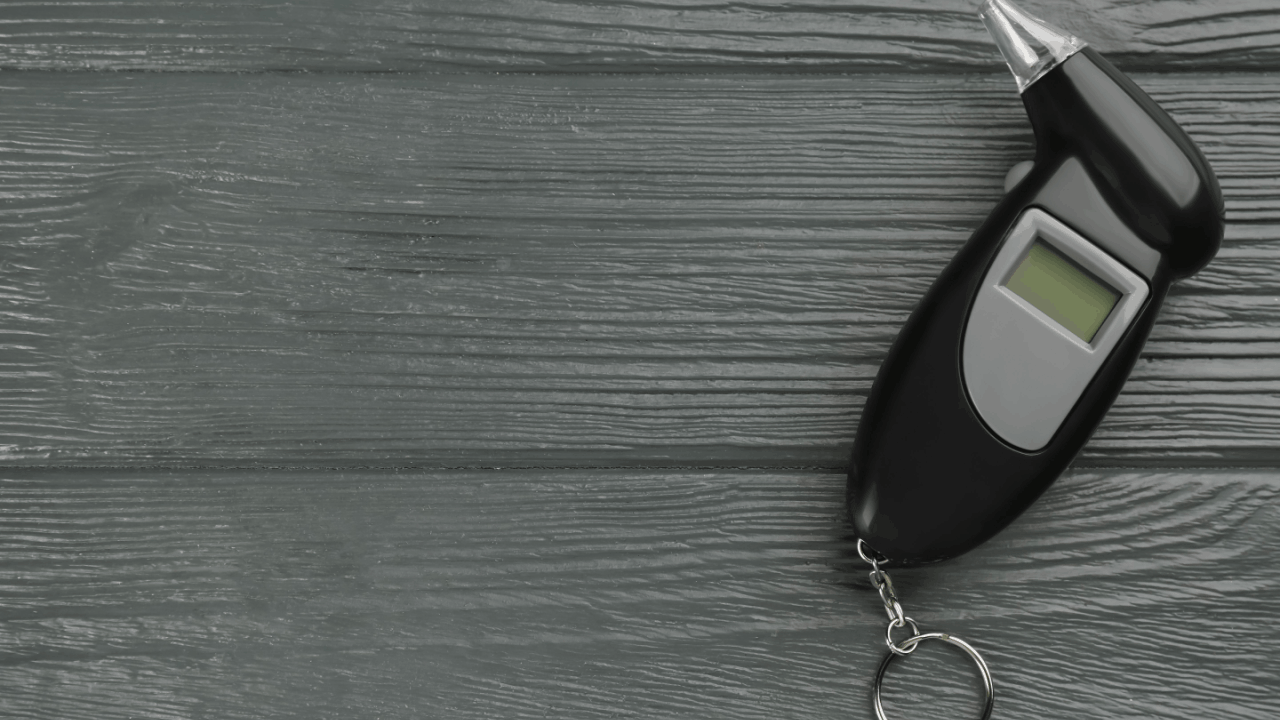
Understanding how many fails before interlock lockout occurs is essential for any driver managing an IID requirement following a DUI, DWI, or OWI charge. These court-mandated devices measure a driver’s breath alcohol concentration (BAC) before allowing vehicle ignition. A “fail” is recorded when a breath sample registers at or above the device’s programmed detection threshold — commonly set at 0.02 BAC in most state programs.
Failing multiple tests within a short window typically initiates an escalating response: a retest prompt, a temporary lockout, and mandatory event reporting. The precise number of failures that trigger a full lockout varies across jurisdictions and IID manufacturers, making it critical for drivers to understand the specific rules tied to their court order or probation agreement.
Key Considerations: Interlock Lockout Thresholds and Program Standards
There is no single federal standard governing how many fails before interlock lockout is triggered. However, the National Highway Traffic Safety Administration (NHTSA) has published model specifications for ignition interlock devices that many state programs reference when establishing lockout protocols. According to NHTSA’s ignition interlock model specifications, devices must record and report all failed startup attempts, rolling retest failures, and tampering events.
In practice, many IID programs allow a driver one or two retest opportunities after an initial failed startup. A lockout — which disables the vehicle for a set period — is commonly triggered after three or more consecutive failed attempts within a single session. Lockout duration can range from 30 minutes to several hours depending on the device settings and state guidelines. California, Texas, and many other states require IIDs to transmit logged failure data directly to supervising authorities, regardless of whether a lockout was triggered.
Legal Process Overview: Consequences of an Ignition Interlock Lockout
When a lockout occurs, the legal implications can extend well beyond an immobilized vehicle. IID programs typically require drivers to attend a scheduled service appointment — often within 30 days — where device data is downloaded and reviewed. According to Mothers Against Drunk Driving (MADD)’s interlock resource center, IID data logs are regularly shared with state monitoring authorities and can be introduced in probation reviews or court proceedings.
A lockout event may be treated as a potential violation of DUI sentencing conditions or probation terms. Depending on the circumstances, this could result in a compliance hearing, an extension of the IID requirement, or other legal consequences. Outcomes in these situations may depend on the specific facts of the case, including whether the failure was caused by alcohol consumption, device error, or an interfering substance. A licensed DUI attorney can explain how interlock lockout rules may apply to an individual’s specific circumstances under applicable state law.
Common DUI Issues: False Positives, Residual Alcohol, and Lockout Disputes
Not every failed IID reading reflects intentional drunk driving. Several factors can cause an unexpected BAC result, including alcohol-based mouthwash, fermented foods, certain medications, or device calibration issues. According to research published by the National Interlock Association (NIA), proper driver education on IID use — including guidance on substances to avoid before testing — is considered a critical component of effective interlock program compliance.
Drivers who believe a lockout resulted from an inaccurate reading may have options to dispute the recorded data through their IID service provider or through legal channels. Maintaining documentation of food consumed, medications taken, and any device irregularities can be valuable in supporting a dispute. Whether a failed reading constitutes a legal violation may depend on the specific facts of the case and applicable state law.
Knowing the Stakes: How Many Fails Before Interlock Lockout Affects Your Case
How many fails before interlock lockout is not a minor technical detail — it carries direct legal consequences for drivers under DUI supervision. Lockout thresholds differ by state, device, and court order, and every failed test is typically logged and reported to monitoring authorities. Whether a lockout results in further legal action may depend on the specific facts of the case and applicable state law. Understanding these rules is an important step toward managing an IID requirement in compliance with court expectations.
Find Out More: How Many Fails Before Interlock Lockout — Legal Guidance
If you are navigating ignition interlock requirements following a DUI charge, understanding your state’s specific rules is an important starting point. You can explore interlock device information to learn how IID programs operate and what compliance obligations may apply in your state. Individuals seeking qualified legal representation may also find assistance through DUI defense leads connecting them with licensed attorneys in their area. To discuss how DUI laws and ignition interlock requirements may apply to your situation, you may wish to speak with a licensed DUI attorney through a free DUI consultation at 1800DUILaws.com.
Frequently Asked Questions
1. What BAC level causes a fail on an ignition interlock device?
Most IID programs set the detection threshold at 0.02 BAC, though some states use slightly different levels based on their specific program requirements and device specifications.
2. How many failed tests does it take to trigger an interlock lockout?
Lockout thresholds vary by state and device manufacturer, but many programs initiate a lockout after three or more consecutive failed tests within a single session, with increasing lockout durations for repeated violations.
3. Can a lockout be triggered by something other than alcohol?
Yes — alcohol-based products such as mouthwash, certain foods, or medications can sometimes cause an unexpected BAC reading on an IID. Drivers are generally advised to avoid these substances before testing.
4. Does a lockout event get reported to the court?
In most states, IID data — including all failed tests and lockout events — is transmitted to a monitoring authority, which may include the court, probation department, or state DMV, during regularly scheduled service appointments.
5. Can a DUI attorney help if I had an interlock lockout?
A licensed DUI attorney familiar with ignition interlock laws may be able to review the circumstances of a lockout, explain how applicable state law applies, and advise on available legal options. Outcomes vary based on the specific facts of each case.
Key Takeaways
- How many fails before interlock lockout is triggered depends on state law, the IID manufacturer’s programming, and the terms of a driver’s court order or probation agreement.
- Most ignition interlock devices record a fail when a breath test registers at or above 0.02 BAC, though exact thresholds can vary by jurisdiction.
- Many IID programs allow one or two retests before initiating a lockout, with full lockouts typically occurring after three or more consecutive failures within a session.
- All failed IID tests and lockout events are generally logged by the device and reported to state monitoring authorities at scheduled service appointments.
- Drivers who experience an IID lockout should document the circumstances carefully, as the legal implications may depend on the specific facts of the case and applicable state law.