DUI Terms Explained: Can Mouthwash Trigger an Interlock Device
Can mouthwash trigger an interlock device — and what happens if it does? This question is especially important for drivers required to use an IID as a condition of license reinstatement following a DUI, DWI, or OWI conviction. Many alcohol-based mouthwashes and oral care products contain ethanol in concentrations sufficient to produce a detectable reading. Understanding how these devices measure breath alcohol content (BAC), which everyday products present risk, and what legal standards govern IID programs can help drivers navigate their obligations. This article covers interlock testing science, product-related risks, and the legal considerations involved when a flagged reading occurs under impaired driving monitoring conditions.
Common DUI Issues: How Mouthwash Affects Interlock Device Readings
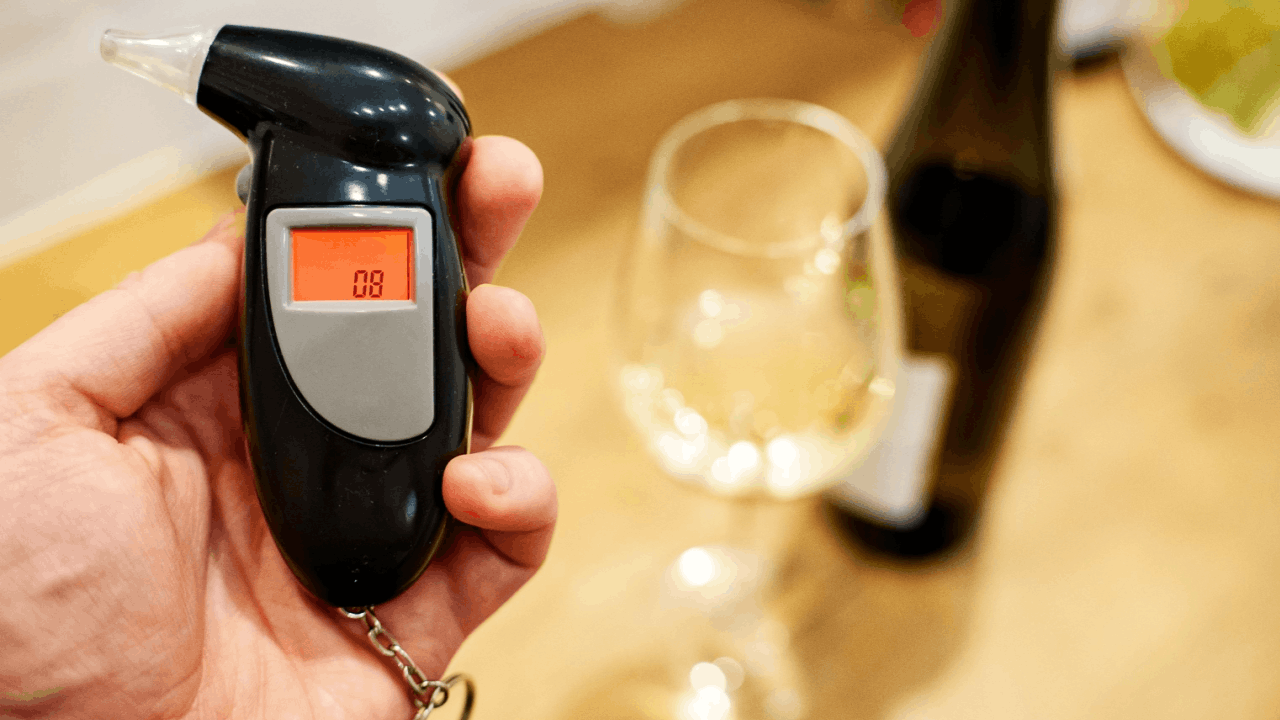
Ignition interlock devices analyze ethanol present in a driver’s exhaled breath. While the goal is to detect deep lung air — which reflects blood alcohol content — residual alcohol in the mouth from products like mouthwash can temporarily elevate readings before it dissipates. Many widely available antiseptic mouthwashes contain ethanol as a primary active ingredient.
According to the American Dental Association (ADA), some therapeutic mouthwashes contain ethanol that, when present in a breath sample, may briefly register on alcohol detection instruments. Most IID program guidelines recommend a waiting period of at least 15 to 20 minutes after using any alcohol-containing product before providing a breath sample. Drivers unaware of this risk can face unexpected flagged readings — which some state programs may classify as a potential violation, even when no impaired driving occurred.
Legal Process Overview: IID Violations, False Positives, and DUI Law
Not every failed IID reading automatically results in formal legal consequences, but the process that follows can be significant. Startup test failures and rolling retest flags are typically reported to the supervising state agency or court. Depending on jurisdiction and the specific terms of a driver’s IID order, a failed test may initiate a review hearing, an extended interlock requirement, or a license suspension proceeding.
According to the Governors Highway Safety Association (GHSA), ignition interlock laws and violation response protocols vary considerably by state. Some jurisdictions apply a tiered response that distinguishes between confirmed alcohol violations and readings that may stem from other causes. How these standards apply to any individual case can vary based on the evidence, the device used, and applicable state law. A licensed DUI attorney can explain how local IID regulations may relate to your specific situation.
Key Considerations: Other Products That May Trigger an Interlock Device
Beyond mouthwash, several common products have been associated with elevated IID readings. Alcohol-based hand sanitizer used near the face, breath sprays, flavored lip balms, certain liquid medications, and fermented beverages such as kombucha have each been documented as potential sources of incidental mouth alcohol.
According to the National Institute on Alcohol Abuse and Alcoholism (NIAAA), ethanol is processed the same way by the body regardless of source, though mouth alcohol from topical use typically dissipates within minutes. Drivers subject to IID requirements are generally advised to review product labels, avoid alcohol-containing oral products immediately before testing, and observe recommended wait times before submitting a breath sample. Whether a specific reading constitutes a program violation depends on the facts, the device’s calibration standards, and applicable state monitoring rules.
Understanding Your IID: Can Mouthwash Trigger an Interlock Device Summary
Can mouthwash trigger an interlock device? The available evidence indicates yes — alcohol-based oral products can produce temporary breath alcohol readings that register on IID sensors. Drivers should understand their device’s protocols, review product ingredients, and follow established wait times before testing. Legal outcomes following a flagged IID reading depend on the specific facts, monitoring program terms, and jurisdiction involved. As a foundational legal principle: understanding how IID technology operates is an important step in protecting your driving privileges.
Explore Your Options: Can Mouthwash Trigger an Interlock Device Information
If a flagged IID reading has raised legal questions about your situation, learning about your options is a meaningful step. Understanding how interlock device laws apply to your specific circumstances may depend on your state’s requirements, your monitoring terms, and the nature of the reading itself. Connecting with a qualified DUI attorney through exclusive defense leads can help clarify how applicable DUI laws and IID regulations may relate to your case. A free DUI consultation is available at 1800DUILaws.com to help you understand available legal options.
Frequently Asked Questions
1. Can mouthwash actually cause a failed ignition interlock test?
Yes — mouthwashes containing ethanol can temporarily elevate mouth alcohol levels, which some IID devices may detect as a positive reading before the alcohol dissipates from the oral cavity.
2. How long should I wait after using mouthwash before using an interlock device?
Most IID programs recommend waiting at least 15 to 20 minutes after using any alcohol-containing product before submitting a breath sample, though specific protocols may vary by device and program.
3. What happens if mouthwash causes a failed IID reading?
A flagged reading is typically reported to the supervising state agency or court. Depending on your jurisdiction and monitoring terms, a review process may follow. Outcomes vary based on the facts, device logs, and applicable state law.
4. Are there alcohol-free mouthwash options for IID users?
Yes, alcohol-free mouthwash products are widely available. Drivers under IID requirements may wish to review product labels and choose formulations without ethanol to reduce the risk of incidental readings.
5. Can I dispute a failed interlock reading caused by mouthwash?
Disputing a flagged reading may be possible depending on the circumstances, device data, and applicable state procedures. A licensed DUI attorney can explain how the dispute process works under your state’s IID program rules.
Key Takeaways
- Many common mouthwashes contain ethanol, which ignition interlock devices can detect as a positive breath alcohol reading.
- Waiting at least 15 to 20 minutes after using alcohol-based oral products before testing is a widely recommended IID practice.
- IID violation procedures and consequences vary by state, monitoring program, and the specific facts surrounding a flagged reading.
- Products beyond mouthwash — including breath sprays, liquid medications, and certain beverages — may also produce temporary elevated IID readings.
- A licensed DUI attorney can explain how state-specific IID laws and monitoring requirements may apply to an individual driver’s situation.