Understanding Now: How Long Does Alcohol Stay on Your Breath for Interlock
Knowing how long does alcohol stay on your breath for interlock purposes is one of the most pressing questions for drivers required to use an ignition interlock device (IID) following a DUI or DWI charge. Facing an interlock requirement may feel overwhelming, especially without a clear understanding of how these devices detect alcohol and what influences their readings. This article explains the science behind breath alcohol concentration, the factors that affect how long alcohol remains detectable, and how interlock laws apply across most states. Understanding these elements may help drivers better understand IID compliance and the legal standards involved, though outcomes always depend on the specific facts and jurisdiction of each case.
Key Considerations: Factors That Affect How Long Alcohol Stays on Your Breath
Alcohol is absorbed into the bloodstream and eliminated primarily through liver metabolism, with a portion expelled through exhaled breath. According to the National Institute on Alcohol Abuse and Alcoholism (NIAAA), the liver processes alcohol at an average rate of approximately 0.015 grams per deciliter per hour — though this rate varies based on factors such as body weight, age, biological sex, food consumption, and overall health (NIAAA: Alcohol’s Effects on the Body).
For interlock purposes, this metabolic variability is significant. Multiple drinks consumed over a short period, drinking on an empty stomach, or having a slower individual metabolism can all extend the window during which alcohol remains detectable on your breath. Because no two individuals process alcohol at the same rate, there is no universal timeline that applies to every driver.
Legal Process Overview: How Interlock Devices Detect Breath Alcohol
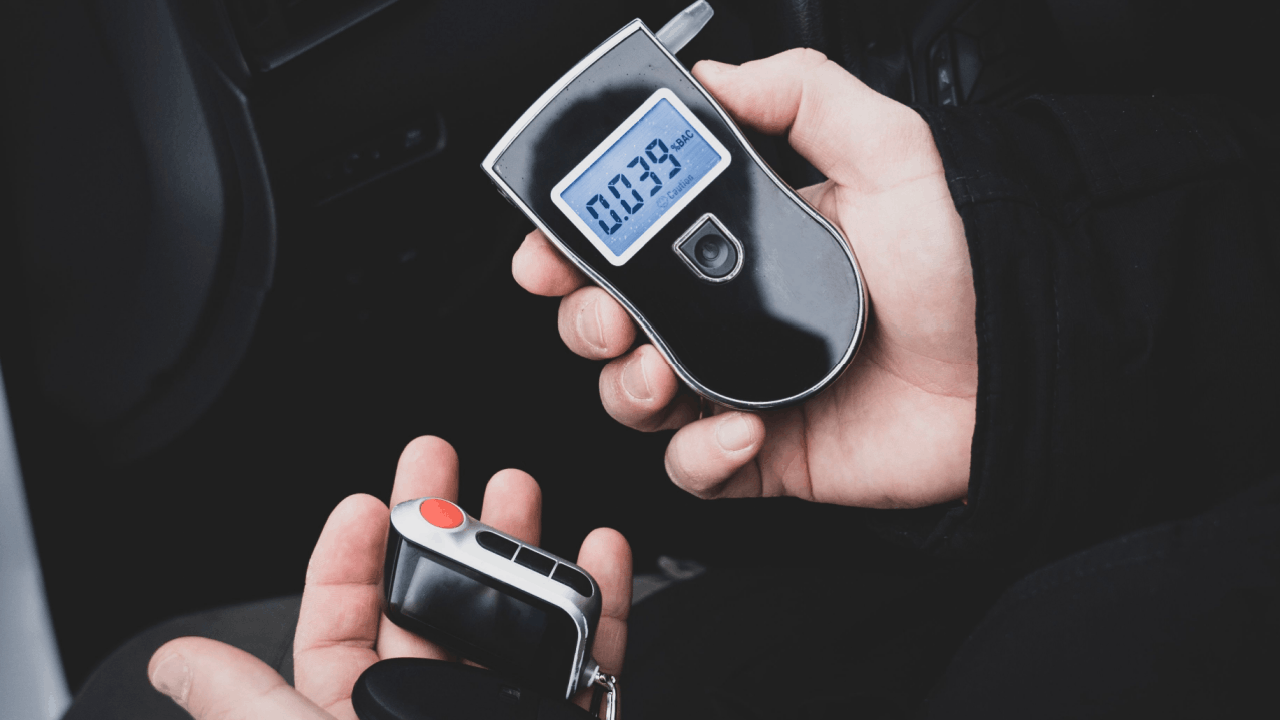
Ignition interlock devices use electrochemical fuel cell technology to analyze breath samples for alcohol content. According to the National Highway Traffic Safety Administration (NHTSA), IIDs are calibrated to prevent vehicle operation when breath alcohol concentration (BrAC) exceeds a programmed threshold, which is typically set well below the standard DUI limit of 0.08 g/dL (NHTSA: Ignition Interlocks).
Most state IID programs set their detection thresholds between 0.02 and 0.025 g/dL — meaning alcohol consumed even hours before driving may still trigger a failed test. Rolling retests, which require periodic breath samples while the vehicle is in operation, apply the same detection standards. A failed retest or a missed sample is typically logged by the device and reported to the relevant court or monitoring authority.
Common DUI Issues: Substances That May Trigger False IID Readings
Drivers should be aware that certain everyday products may cause unexpected readings on an ignition interlock device. The Substance Abuse and Mental Health Services Administration (SAMHSA) notes that alcohol elimination from the body cannot be accelerated by coffee, food, or water, and that any substance containing ethanol may register on a breath test (SAMHSA: Alcohol).
Products such as alcohol-based mouthwash, breath sprays, hand sanitizer residue, and certain fermented foods have been associated with elevated IID readings in some cases. Many interlock programs allow drivers to wait a short period and retest if an initial elevated reading occurs, though program rules differ by jurisdiction. Impaired driving laws governing IID compliance vary significantly from state to state, and how a specific reading is treated legally may depend on the device type, program requirements, and the facts surrounding the test.
Navigating Your Situation: How Long Alcohol Stays on Your Breath for Interlock Compliance
Understanding how long alcohol stays on your breath for interlock testing requires consideration of individual metabolism, device detection thresholds, and state-specific DUI compliance laws. Because alcohol metabolism differs from person to person, no fixed timeline applies universally. IID program rules, violation procedures, and legal consequences vary by jurisdiction. Whether you are preparing for an interlock requirement or have questions about a specific reading, the facts of your individual situation and the laws in your state will determine how interlock regulations may apply.
Learn More: How Long Does Alcohol Stay on Your Breath for Interlock Information
If you have questions about ignition interlock requirements following a DUI or impaired driving charge, speaking with a licensed DUI attorney may help you understand the legal options available to you. Explore our interlock device guide to learn how IID laws work in your state, or connect through our DUI defense network to reach a qualified DUI defense attorney in your area. A free DUI consultation is available to help you learn how the law may apply to your specific circumstances.
Frequently Asked Questions
1. How long does alcohol typically stay on your breath after drinking?
Breath alcohol can remain detectable for several hours after drinking, depending on factors such as the amount consumed, individual metabolism, body weight, and whether food was eaten. No universal timeline applies to every person or situation.
2. What BrAC level will cause an interlock device to fail a test?
Most state IID programs set fail thresholds between 0.02 and 0.025 g/dL, which is significantly lower than the standard legal DUI limit. Thresholds vary by state law and the specific interlock device used in a given program.
3. Can mouthwash or other products cause a failed interlock test?
Certain alcohol-containing products, including some mouthwashes and breath sprays, may cause an elevated reading on an ignition interlock device. Many programs allow a waiting period and retest, though program rules vary by jurisdiction.
4. What happens if you fail an interlock rolling retest?
A failed rolling retest is typically logged by the device and reported to the court or supervising agency. Legal consequences depend on the terms of the interlock order, applicable state DUI laws, and the specific facts surrounding the test result.
5. Can alcohol metabolism be sped up before an interlock test?
According to SAMHSA, alcohol elimination cannot be accelerated by coffee, food, water, or other common methods. The body processes alcohol at a rate that is largely determined by individual physiology and cannot be reliably altered.
Key Takeaways
- How long alcohol stays on your breath for interlock testing is influenced by individual metabolism, consumption amount, and device detection thresholds, which vary by state.
- Ignition interlock devices are calibrated to detect breath alcohol at levels well below the standard DUI limit of 0.08 g/dL, according to NHTSA.
- The NIAAA notes that average alcohol metabolism rates differ from person to person, meaning no single detection window applies universally.
- Certain everyday products containing ethanol, such as some mouthwashes or breath sprays, may register on an IID and should be considered during an interlock monitoring period.
- IID compliance rules, violation procedures, and legal consequences differ by jurisdiction, and a licensed DUI attorney can explain how applicable law may apply to a specific situation.