Understanding This Question: Will One Beer Set Off an Interlock
If you’re asking “will one beer set off an interlock,” you’re likely navigating the challenges of an ignition interlock requirement following a DUI charge. This concern is understandable—interlock violations can result in program extensions, additional penalties, or license complications. Understanding how these devices work, how alcohol is metabolized, and what factors influence BAC readings can help you make informed decisions during your restricted driving period.
This article explains the science behind interlock detection, factors that affect BAC levels, and what individuals with interlock requirements should know about alcohol consumption. Each person’s situation may depend on the specific facts of their case, device calibration settings, and applicable state law.
How Ignition Interlock Devices Detect Alcohol Levels
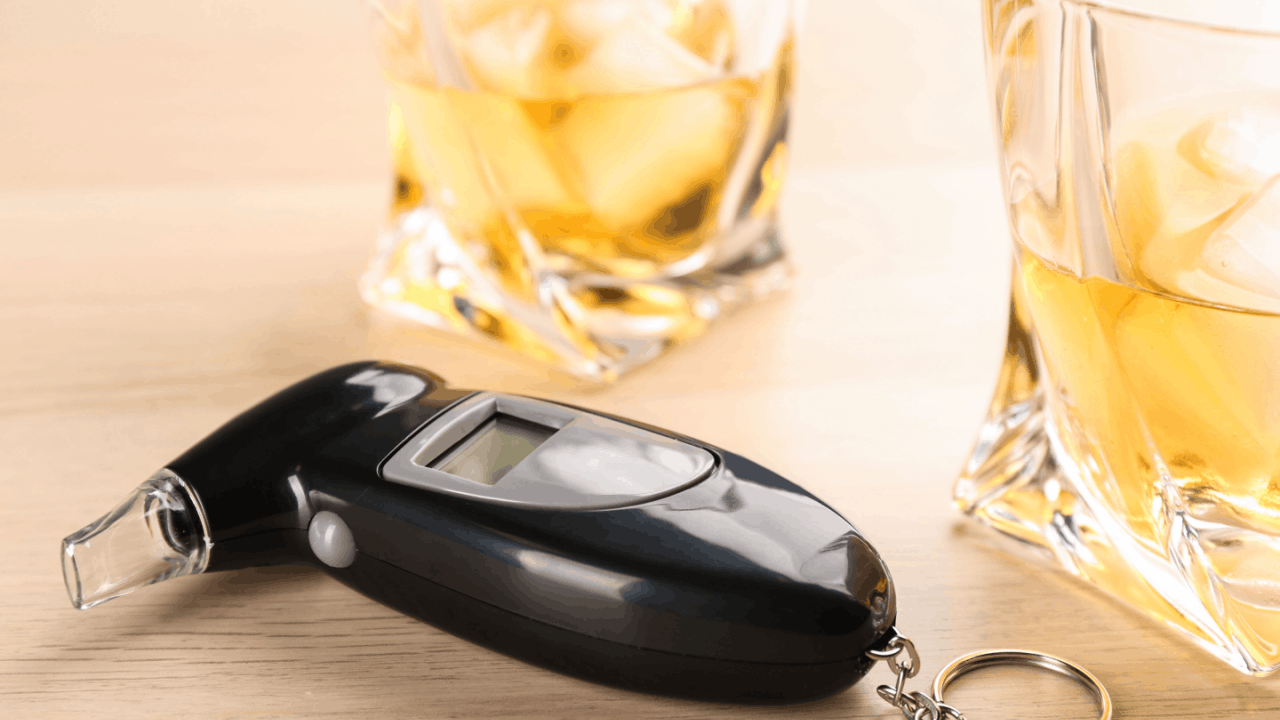
Ignition interlock devices measure breath alcohol content using fuel cell technology similar to law enforcement breathalyzers. When you provide a breath sample, the device analyzes the alcohol concentration and compares it against a programmed threshold—typically between 0.02 and 0.04 BAC, though settings vary by jurisdiction.
Device Sensitivity and Thresholds
According to research published by the Centers for Disease Control and Prevention, ignition interlock programs significantly reduce repeat DUI offenses by preventing vehicle operation when alcohol is detected. Most devices are calibrated to detect alcohol at levels well below the legal driving limit of 0.08 BAC.
The typical interlock threshold means that even small amounts of alcohol could trigger a lockout. Device manufacturers design these systems with high sensitivity to ensure compliance with court-ordered or administrative requirements.
Factors That Determine Whether One Beer Will Trigger Your Interlock
Whether one beer will set off an interlock device depends on several interconnected factors. Body weight and composition play significant roles—a 120-pound individual will typically reach higher BAC levels from one beer than someone weighing 200 pounds. According to the National Institute on Alcohol Abuse and Alcoholism, alcohol metabolism rates vary considerably among individuals based on genetic factors, liver health, and drinking history.
Alcohol Content Variables
Beer alcohol content ranges widely. Standard beers contain approximately 5% alcohol by volume, but craft beers, IPAs, and specialty brews may contain 7% to 12% or higher. A single high-alcohol beer can produce significantly elevated BAC compared to a standard domestic beer. Serving size also matters—a pint (16 ounces) contains more alcohol than a standard 12-ounce serving.
Metabolism and Timing Considerations
The human body metabolizes alcohol at different rates, but general estimates suggest the liver processes approximately one standard drink per hour. However, this rate varies based on individual factors. Peak BAC typically occurs 30 to 90 minutes after consumption when drinking on an empty stomach, or longer when consumed with food.
Legal Process Overview: Interlock Violations and Consequences
Interlock device violations can occur when the device detects alcohol above the programmed threshold. These incidents are typically logged and reported to monitoring authorities, which may include courts, probation departments, or state motor vehicle divisions depending on your jurisdiction.
Violation Reporting and Documentation
A single failed test may result in warnings, required explanations, or program extensions. Multiple violations or patterns of failed tests can lead to more serious consequences including license revocation, additional criminal charges for probation violations, or extended interlock requirements. The specific consequences depend on state law and the terms of your court order or administrative agreement.
Device Calibration and Service Requirements
Interlock devices require regular calibration appointments, typically every 30 to 60 days. During these service visits, technicians download device data, verify proper function, and recalibrate sensors. Missing scheduled service appointments may constitute a program violation separate from failed breath tests.
DUI Terms Explained: Interlock Device Testing Procedures
Understanding interlock testing procedures helps prevent inadvertent violations. When you enter your vehicle, you must provide an initial breath sample before the engine will start. The device analyzes this sample and either permits ignition or prevents starting if alcohol is detected above the threshold.
Rolling Retests During Operation
After successful startup, interlock devices require periodic rolling retests while driving. These random requests occur at intervals set by program requirements—often every 5 to 30 minutes. You receive advance warning (typically beeping or visual alerts) and have several minutes to provide a breath sample while safely operating the vehicle.
Failing a rolling retest doesn’t immediately shut off your engine, as this would create dangerous driving conditions. Instead, the device triggers alarm signals (horn, lights) until you turn off the ignition. This failed retest is recorded as a violation and reported to monitoring authorities.
Options Explained: Managing Life with an Ignition Interlock
Living with an interlock requirement requires planning and lifestyle adjustments. Many individuals find complete alcohol abstinence during their restriction period provides the simplest approach, eliminating any possibility of device violations or program complications.
If you choose to consume alcohol, careful timing becomes essential. Allowing substantial time between drinking and driving—often 12 to 24 hours depending on the amount consumed—helps ensure BAC returns to zero before operating your vehicle. Personal breathalyzers can provide general guidance, though they may not match the sensitivity of your installed interlock device.
Next Steps: Will One Beer Set Off an Interlock Device?
Will one beer set off an interlock device? The answer depends on your individual metabolism, the beer’s alcohol content, timing since consumption, device calibration settings, and other personal factors. Most interlock devices will detect alcohol from a single beer if insufficient time has passed for complete metabolism. Given the potential legal consequences of violations, many individuals with interlock requirements choose to avoid alcohol entirely during their restriction period or wait extended periods before operating their vehicle after any consumption.
Will One Beer Set Off an Interlock Information
If you have questions about ignition interlock requirements, device violations, or how DUI laws may apply to your situation, you may wish to speak with a licensed DUI attorney. Legal professionals can explain jurisdiction-specific rules, help you understand your interlock obligations, and discuss options that may be available based on your circumstances.
For informational resources about ignition interlock devices and to learn more about drunk driving defense options in your area, visit 1800DUILaws.com for a free DUI consultation to discuss how these requirements may affect your specific situation.
Frequently Asked Questions
1. What BAC level will trigger most ignition interlock devices?
Most interlock devices are calibrated to detect alcohol at 0.02 to 0.04 BAC, though specific thresholds vary by jurisdiction and program requirements.
2. How long should I wait after drinking one beer before using my interlock device?
Waiting times depend on individual metabolism, beer alcohol content, body weight, and other factors. Many people require 3 to 6 hours or longer to metabolize one standard beer completely.
3. Can mouthwash cause an interlock device failure?
Alcohol-containing mouthwash may temporarily affect breath readings. Waiting 15 minutes after use typically allows residual mouth alcohol to dissipate before testing.
4. What happens if I fail an ignition interlock breath test?
Failed tests are logged and reported to monitoring authorities. Consequences may include warnings, program extensions, or license revocation depending on violation patterns and jurisdictional rules.
5. Do all states have the same ignition interlock requirements?
No. Interlock requirements, calibration settings, program lengths, and violation consequences vary significantly by state and depend on specific DUI charges and circumstances.
Key Takeaways
- Ignition interlock devices can detect alcohol at very low BAC levels, typically starting at 0.02 or below depending on device calibration.
- Whether one beer triggers an interlock depends on multiple factors including body weight, metabolism rate, beer alcohol content, timing, and individual device settings.
- Most interlock violations are logged and reported to monitoring authorities, potentially resulting in program extensions or additional legal consequences.
- Modern interlock devices use fuel cell technology designed to distinguish drinking alcohol from other substances, though temporary mouth alcohol from mouthwash or breath products may affect immediate readings.
- Many individuals with interlock requirements choose complete alcohol abstinence during their restriction period to eliminate any risk of device violations or program complications.