Legal Information Explained: Can You Drink With an Ignition Interlock Device
Can you drink with an ignition interlock device installed in your vehicle? This question involves understanding both the technical function of IID systems and the legal restrictions that may accompany device requirements. The answer depends on several factors including specific court orders, probation conditions, administrative license terms, and jurisdiction-specific program rules that govern ignition interlock use following impaired driving offenses.
Ignition interlock devices measure breath alcohol concentration and prevent vehicle ignition when readings exceed preset limits. However, the question of whether you can consume alcohol extends beyond device thresholds. Many DUI convictions include probation terms that prohibit any alcohol consumption regardless of IID installation. Court orders may explicitly forbid drinking while under supervision. This guide explains the relationship between alcohol consumption and ignition interlock requirements, testing thresholds and how devices respond to various BAC levels, legal restrictions that may prohibit drinking, and compliance considerations.
1800DUILaws.com provides educational resources to help individuals understand DUI charges, license consequences, and compliance obligations. Learning about alcohol restrictions during IID periods helps you navigate program requirements successfully.
Device Function Clarified: How IIDs Respond to Alcohol Detection
Breath Alcohol Testing Thresholds
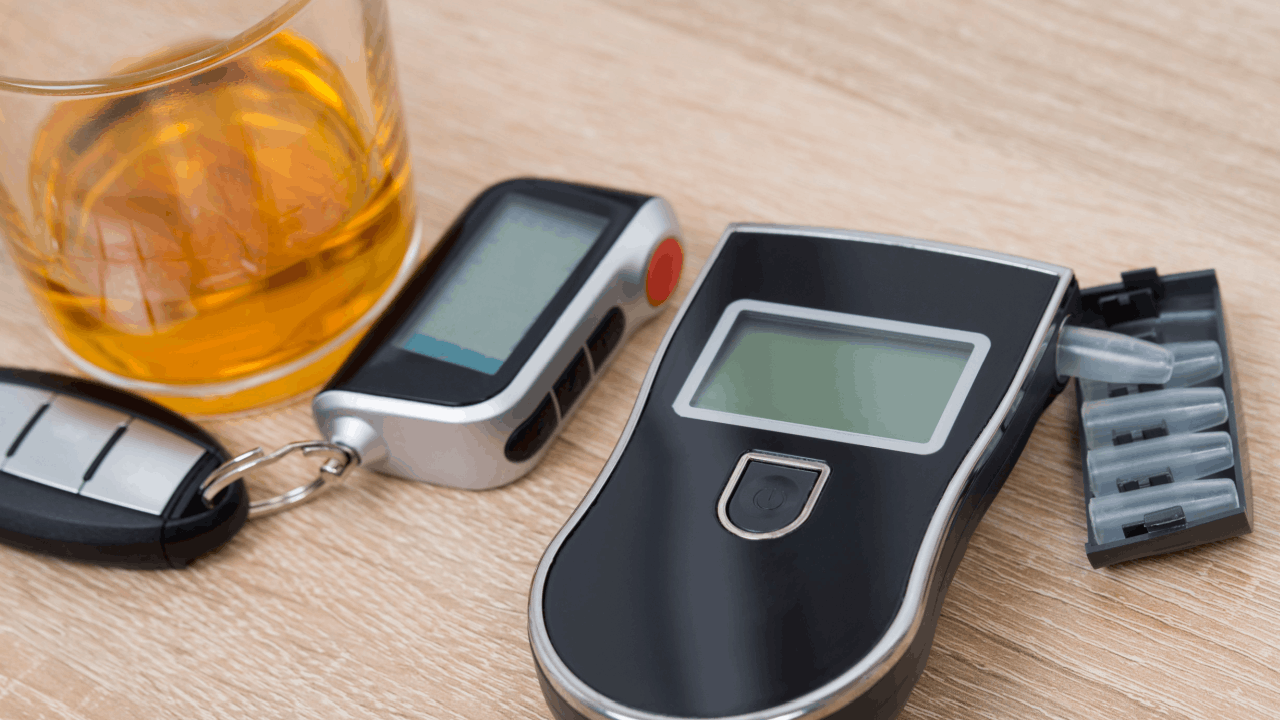
Ignition interlock devices are calibrated to prevent vehicle operation when breath samples exceed specific BAC thresholds. Most jurisdictions set device thresholds at 0.02 or 0.025 BAC. This represents a significantly lower level than the standard 0.08 BAC limit for drunk driving charges. The lower threshold creates a buffer zone designed to detect any measurable alcohol consumption. Even small amounts of alcohol that would not result in legal intoxication may register above IID thresholds.
Detection Timeframes After Consumption
Alcohol remains detectable in breath for varying periods depending on consumption amount, individual metabolism, body weight, and other factors. A single drink may register on breath tests for one to three hours or longer. Multiple drinks extend detection windows significantly. The body metabolizes alcohol at relatively consistent rates, but individual variations affect how long alcohol remains detectable. Devices cannot distinguish between recent consumption and consumption hours earlier if alcohol remains in the system.
Device Response to Failed Tests
When a breath sample exceeds the programmed threshold, can you drink with an ignition interlock device and still start your vehicle? The device prevents ignition engagement when detecting alcohol above the limit. Failed tests are recorded in device memory with date, time, and BAC reading. The system does not allow the vehicle to start until a passing test is provided. Multiple failed attempts in sequence are documented as separate violations. Waiting periods between test attempts vary by device manufacturer and program requirements.
Legal Restrictions Overview: Court Orders and Probation Conditions
Probation Abstinence Requirements
Many DUI convictions include probation terms that explicitly prohibit alcohol consumption during the probation period. These restrictions exist independently of ignition interlock requirements. Judges may order complete abstinence as a probation condition even when IID installation is also required. Violating abstinence conditions constitutes probation violation regardless of whether the person attempts to drive. Probation officers may conduct random alcohol testing through breath tests, urine analysis, or other methods to verify compliance with abstinence requirements.
Court-Ordered Alcohol Restrictions
Can you drink with an ignition interlock device when court orders prohibit it? Some court orders specifically forbid alcohol consumption for drivers under IID requirements even without separate probation. The restriction may be written into sentencing documents or conditions of restricted driving privileges. Court orders vary in specificity and enforcement mechanisms. Some orders prohibit consumption that would register on IID devices, while others ban any alcohol use whatsoever. Understanding the exact language of applicable court orders is essential for compliance.
Administrative License Conditions
Administrative license suspensions sometimes include restricted licenses allowing limited driving with IID installation. The administrative agency may attach conditions to these restricted licenses including alcohol-related restrictions. Some agencies prohibit any alcohol consumption while holding restricted licenses. Others focus on preventing impaired driving without addressing consumption when not driving. Administrative conditions operate separately from criminal court proceedings and may impose different requirements.
Common DUI Issues: Situations Involving Alcohol and IID Requirements
Social Drinking Situations
Can you drink with an ignition interlock device in social settings when not planning to drive? The answer depends on applicable legal restrictions rather than device presence. If probation or court orders prohibit alcohol consumption, drinking in any context violates those orders regardless of driving plans. Failed breath tests the following morning after evening consumption demonstrate drinking occurred and may trigger violation proceedings. Residual alcohol from the previous night can register on morning tests before work or other necessary trips.
Alcohol in Food and Products
Many foods and consumer products contain alcohol that may affect breath test results. Cooking wines and spirits used in food preparation, certain desserts, some breads containing beer or wine, and fermented foods can temporarily elevate breath alcohol readings. Mouthwash, breath sprays, cough syrups, and some medications contain alcohol concentrations that register on sensitive breath testing equipment. Using these products immediately before providing breath samples may cause failed tests even without consuming alcoholic beverages.
Religious and Cultural Practices
Some religious observances and cultural traditions involve consuming small amounts of wine or other alcoholic beverages. Can you drink with an ignition interlock device for religious purposes? Legal restrictions typically do not provide religious exemptions from alcohol prohibitions. Individuals subject to abstinence requirements should discuss religious practice concerns with supervising authorities or legal counsel. Alternative observance methods that do not involve alcohol consumption may need consideration during restricted periods.
Medical Alcohol Exposure
Certain medical procedures, treatments, or medications involve alcohol in forms that might be absorbed or affect breath readings. Hand sanitizers containing alcohol used frequently throughout the day may create trace exposure. Dental procedures using alcohol-based rinses could temporarily affect breath readings. Individuals concerned about medical alcohol exposure should document circumstances and discuss potential impacts with monitoring providers.
Violation Consequences Explained: What Happens When Rules Are Broken
Probation Violation Proceedings
Drinking alcohol in violation of probation abstinence conditions may trigger probation violation proceedings. Probation officers file violation reports with courts when monitoring reveals alcohol use. Courts schedule violation hearings where individuals must address alleged violations. Evidence of drinking may come from failed IID tests, random probation office testing, or other monitoring. Judges may impose various sanctions for probation violations including extended probation, additional conditions, or in some cases incarceration.
License Revocation Risks
Can you drink with an ignition interlock device without risking license consequences? Administrative agencies may revoke restricted licenses when violations occur. Failed breath tests documented in IID data downloads provide evidence of attempted driving after alcohol consumption. Even if probation does not apply, administrative license programs typically prohibit failed tests. Revocation of restricted licenses eliminates legal driving privileges entirely, removing the option to drive even with IID installation.
Extended IID Requirements
Violations during IID periods may result in extended installation requirements. Some jurisdictions mandate violation-free periods before IID obligations end. A single violation can restart the violation-free clock, extending total installation time significantly. Multiple violations may trigger progressively longer extensions. What began as a finite IID period can become substantially longer when violations occur.
Practical Compliance Guidance: Avoiding Alcohol-Related Violations
Understanding Your Specific Restrictions
Can you drink with an ignition interlock device in your case? The answer requires reviewing all applicable orders, conditions, and restrictions. Court sentencing documents specify probation terms including any abstinence requirements. Administrative license paperwork details conditions attached to restricted driving privileges. IID provider contracts may include program rules. Reading these documents carefully identifies exactly what restrictions apply. When language is unclear, seeking clarification from supervising authorities or legal counsel prevents inadvertent violations.
Timing Considerations and Planning
Individuals not subject to complete abstinence requirements must still consider timing if consuming alcohol. Allowing sufficient time for complete alcohol metabolism before driving is essential. Conservative approaches involve waiting substantially longer than minimum estimated metabolism times. Morning breath tests can detect previous evening consumption even many hours later. Planning around IID requirements means accounting for extended detection windows and individual metabolism variations.
Alternative Product Selection
Choosing alcohol-free alternatives for consumer products helps avoid failed tests from incidental exposure. Alcohol-free mouthwash provides oral hygiene without alcohol content. Non-alcoholic cough medicines address cold symptoms. Checking ingredient labels on foods identifies items prepared with alcohol. Being mindful of product selection reduces risks of failed tests from sources other than beverage consumption.
Program Variations Clarified: How Requirements Differ Across Jurisdictions
State-Specific Program Rules
Different states structure IID programs with varying approaches to alcohol consumption. Some states assume abstinence during IID periods without explicitly stating prohibition. Others write specific alcohol restrictions into program rules. A few jurisdictions focus solely on preventing impaired driving without addressing consumption at other times. Understanding your specific state’s approach provides clarity about applicable restrictions.
Zero Tolerance Policies
Some jurisdictions implement zero tolerance policies for any failed breath tests during IID periods. These programs treat any reading above threshold as a serious violation regardless of whether the person attempted to drive. Other jurisdictions distinguish between failed tests where driving was attempted and readings obtained when checking before driving with no attempt to start the vehicle. Policy variations affect how different circumstances are evaluated.
Hybrid Monitoring Programs
Some jurisdictions combine IID requirements with continuous alcohol monitoring through electronic ankle bracelets or similar devices. These hybrid programs monitor alcohol consumption whether or not driving occurs. Can you drink with an ignition interlock device when also wearing continuous monitoring equipment? The answer is typically no, as the continuous monitoring detects any alcohol consumption. Hybrid programs leave no ambiguity about abstinence requirements.
Essential Information: Alcohol Consumption and IID Requirements
Can you drink with an ignition interlock device involves both technical and legal considerations. Technically, IID devices prevent vehicle operation when breath samples exceed programmed thresholds, typically 0.02 or 0.025 BAC. Any alcohol consumption that results in readings above these levels will prevent the vehicle from starting and generate recorded violations.
Legally, many individuals with IID requirements face explicit alcohol consumption prohibitions through probation conditions, court orders, or administrative license terms. These restrictions exist independently of device thresholds and may prohibit any alcohol use regardless of driving plans. Violations of abstinence requirements can trigger probation violations, license revocation, extended IID periods, or additional criminal charges.
Jurisdictional variations mean requirements differ across states and sometimes between courts within states. Some programs maintain strict zero tolerance policies while others focus primarily on preventing impaired driving. Clarifying applicable rules in specific circumstances helps individuals maintain compliance throughout IID periods.
Can You Drink With an Ignition Interlock Device in Your Case
Understanding whether you can drink with an ignition interlock device in your specific situation requires reviewing court orders, probation conditions, and administrative license terms applicable to your case. Every DUI conviction and license action involves different restrictions that may prohibit alcohol consumption or impose specific conditions on IID use. Learning about ignition interlock devices and their compliance requirements can help you understand the restrictions that may apply during your monitoring period. 1800DUILaws.com provides educational resources to help individuals learn about DUI charges, license consequences, and compliance obligations.
DUI defense attorneys seeking to expand their client base may consider exploring exclusive drunk driving lead generation services.
Frequently Asked Questions
1. Can You Drink With an Ignition Interlock Device If You Wait Before Driving?
Whether waiting between drinking and driving satisfies the requirements depends on restrictions. If abstinence is required, any drinking violates terms regardless of waiting. Without abstinence conditions, complete alcohol metabolism is necessary. Individual variation makes safe waiting periods difficult to estimate.
2. What BAC Level Triggers IID Violations?
Most ignition interlock devices are set at 0.02 or 0.025 BAC. Readings at or above the threshold prevent starting and record violations. Some jurisdictions use lower limits. Any reading meeting or exceeding the programmed threshold typically triggers consequences.
3. Will Mouthwash Cause Failed IID Tests?
Alcohol-based mouthwash can temporarily elevate breath readings if used immediately before testing. Effects usually fade within 15 to 20 minutes. Rinsing with water and waiting reduces risk. However, failed tests may still be recorded as violations in many programs.
4. Can You Drink With an Ignition Interlock Device for Special Occasions?
Special occasions do not create exemptions from alcohol restrictions. If abstinence is required by court or probation terms, drinking violates conditions regardless of the event. Consequences may follow. Individuals should plan participation around restrictions rather than assuming exceptions apply.
5. How Long Does Alcohol Stay Detectable on IID Tests?
Detection varies by consumption amount, metabolism, and body composition. Single drinks may register for hours, while multiple drinks extend detection significantly. Some individuals show readings 12 to 24 hours later. Waiting at least 24 hours is safest.
Key Takeaways
- Dual Considerations: Can you drink with an ignition interlock device involves both device function and legal restrictions. Devices prevent operation above threshold levels, but court orders or probation may prohibit all alcohol consumption regardless of driving plans or device readings.
- Violation Consequences: Drinking in violation of abstinence requirements may trigger probation violations, license revocation, extended IID periods, or additional charges. Failed breath tests documented in device logs provide evidence of violations even when driving was not attempted.
- Threshold Awareness: IID thresholds typically range from 0.02 to 0.025 BAC, significantly lower than standard impairment levels. Small amounts of alcohol can exceed these thresholds and prevent vehicle operation.
- Product Considerations: Alcohol in foods, medications, and consumer products can affect breath readings. Being mindful of incidental alcohol exposure helps prevent failed tests from non-beverage sources.
- Jurisdictional Variations: Requirements differ across states and individual cases. Understanding specific restrictions applicable to your situation requires reviewing court documents, probation terms, and administrative license conditions.