
Understanding the Law: Are Interlocks Required by Law?
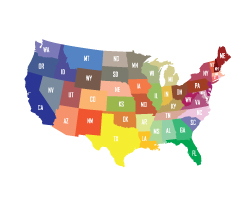
Are interlocks required by law? In many states, yes. Ignition interlock devices (IIDs) are legally mandated following certain DUI, DWI, or OWI convictions. All 50 states have enacted some form of IID legislation, according to the National Conference of State Legislatures (NCSL). Specific requirements depend on state law, offense history, and the circumstances of each case.
Are interlocks required by law in your state? The answer depends on where you were charged, the nature of the offense, and your prior record. Facing a DUI, DWI, or impaired driving charge is a stressful experience, and understanding how ignition interlock devices fit into the legal process is an important early step.
Legal Process Overview: How Ignition Interlock Laws Work
Ignition interlock devices are breath-activated systems installed on a vehicle’s ignition. A driver must provide a passing breath sample before the engine will start. Courts and state DMVs may order IID installation as part of a DUI sentence, a license reinstatement condition, or both.
The National Highway Traffic Safety Administration (NHTSA) recognizes ignition interlocks as a component of DUI enforcement frameworks across the country. All 50 states and Washington, D.C. have IID laws of some kind, per the NCSL. However, the specific triggers for mandatory IID orders vary significantly by state.
What Triggers an Interlock Requirement?
Common legal triggers for mandatory IID installation may include a BAC violation above a statutory threshold, a repeat DUI or OWI offense, causing injury while driving impaired, or participation in a restricted license program. How the law applies will depend on the individual facts and evidence of each case.
Key Considerations: Duration and Costs of Interlock Requirements
Once ordered, how long must an interlock remain installed? IID mandate durations are set by state law and can range from several months to multiple years, depending on offense history and the court’s determination. First-time impaired driving offenses may carry shorter IID periods, while repeat drunk driving charges often result in extended requirements.
Beyond duration, IID programs carry ongoing costs. Drivers are typically responsible for installation fees, monthly lease or rental costs, and calibration requirements. According to NCSL interlock law tracking data, financial obligations vary by state program and vendor. Some states offer income-based assistance programs.
Failure to comply with an interlock order — such as tampering with the device or driving without one when required — can result in extended license suspension or new criminal charges. Device data logs track breath samples and test failures, and courts use this information to monitor ongoing compliance.
Options Explained: Challenging or Modifying an Interlock Order
Can an interlock requirement be challenged? In some cases, legal options may exist depending on the facts of the case and applicable state law. A licensed DUI attorney can review whether the original traffic stop, BAC testing procedures, or field sobriety tests were conducted according to legal standards. Challenges to the underlying DUI charge could affect associated IID mandates.
In certain jurisdictions, individuals may petition the court or DMV for a modification of interlock conditions, particularly if time has passed without violations. It is also important to understand the distinction between administrative IID orders issued by the DMV and criminal court orders. Both may apply simultaneously and follow separate legal processes, which is an important part of addressing a DUI or OWI charge comprehensively.
Moving Forward: Are Interlocks Required by Law — Key Takeaways
Are interlocks required by law? In most states, yes — under specific conditions tied to BAC levels, offense history, and court determinations. Requirements differ by jurisdiction, and how the law applies depends on the individual facts of each case. Ignition interlock mandates are one part of a broader legal process following a DUI, DWI, or impaired driving charge. Understanding your state’s laws and applicable legal standards is a meaningful first step in responding to a drunk driving charge.
Explore Your Options: Are Interlocks Required by Law Information
If you have questions about whether interlocks are required by law in your state, or how an IID mandate may apply to your situation, you may wish to speak with a licensed DUI attorney. Visit our interlock device guide to learn how these laws work in your state, or connect through defense lead services to explore how DUI laws may apply to your specific circumstances. A licensed attorney can help explain your legal options.
Frequently Asked Questions
1. Are interlocks required by law for first-time DUI offenders?
In many states, first-time DUI or DWI offenders may be required to install an IID, particularly when BAC levels exceed a statutory threshold. Requirements vary by jurisdiction and the specific circumstances of the case.
2. How long does an ignition interlock requirement last after a DUI?
IID duration is set by state law and can range from several months to multiple years, depending on offense history, court determinations, and whether the individual violates any interlock conditions during the mandate period.
3. What happens if I drive without an interlock when one is court-ordered?
Driving without a required ignition interlock device can result in additional criminal charges, extended license suspension, or other legal penalties. Compliance requirements are monitored through device data logs.
4. Can a DUI attorney help challenge an interlock order?
A licensed DUI attorney may be able to review the circumstances of the underlying DUI charge, including BAC testing and field sobriety test procedures, to determine whether legal options exist. Outcomes depend on the individual facts and applicable law.
5. Is an ignition interlock required for license reinstatement after a DUI?
In many states, an IID is a condition of license reinstatement following a DUI-related suspension. Whether this applies depends on the state, the nature of the offense, and the driver’s compliance history.
Key Takeaways
- All 50 states have enacted some form of ignition interlock device legislation applicable to certain DUI and DWI convictions.
- IID mandates are commonly triggered by BAC levels, offense history, injury caused, or participation in a restricted license program.
- Ignition interlock mandate durations, compliance costs, and reinstatement conditions vary significantly by state law.
- Both administrative DMV orders and criminal court orders may independently require IID installation following an impaired driving offense.
- A licensed DUI attorney can explain how interlock laws may apply based on the specific facts and evidence of your individual